2022-2026 Audi Models Brake Disc Corrosion TSB
Audi has issued Technical Service Bulletin 2067132/3 for 2022-2026 models experiencing corrosion on steel brake disc friction surfaces. This TSB details customer complaints like rust, noises, and vibrations, explaining the technical background and recommended service actions to address the issue.
 David Chen2022 Audi e-tron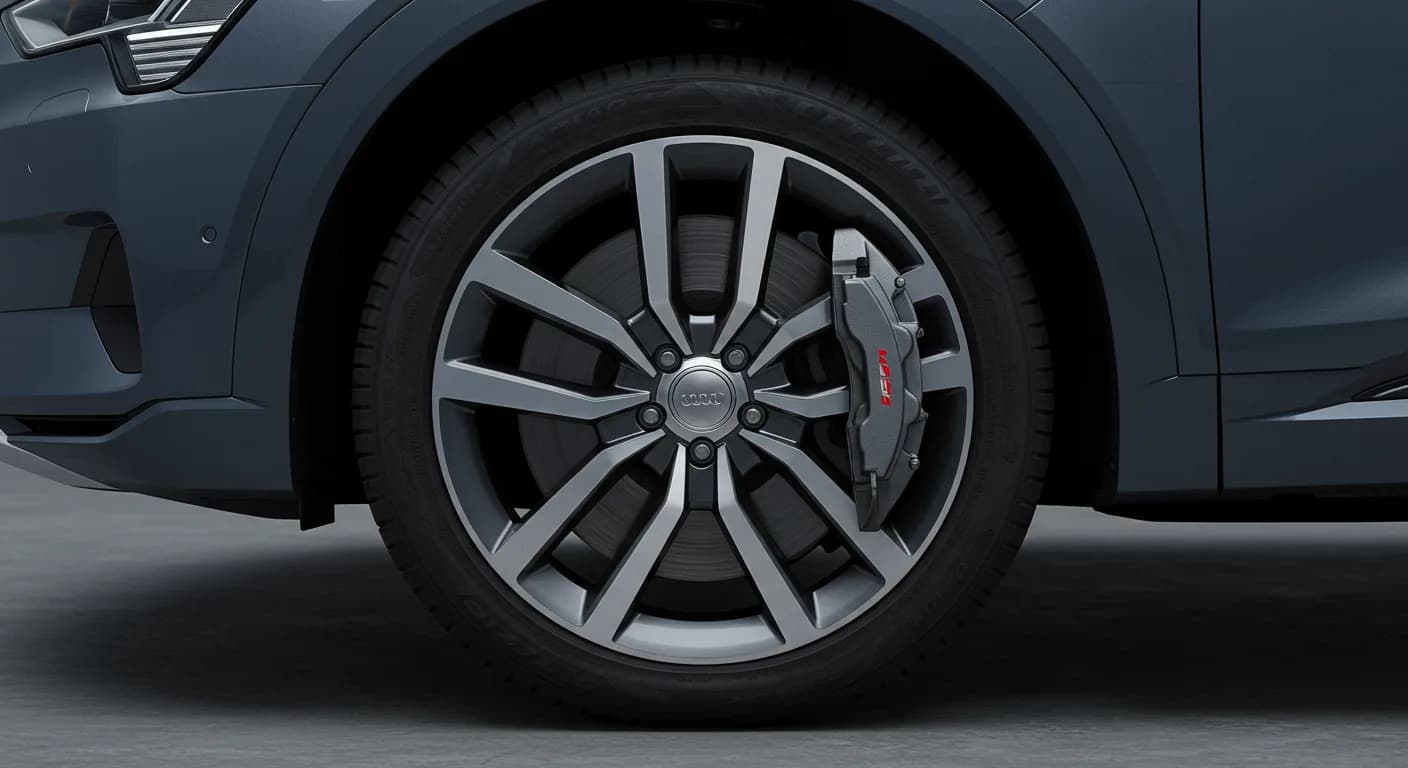
Si applica anche a
- Audi A3
- 2022–2026
- Audi A4
- 2021–2025
- Audi A4 allroad
- 2021–2025
- Audi A5
- 2021–2024
- Audi A6
- 2021–2025
- Audi A6 allroad
- 2021–2026
- Audi A7
- 2021–2025
- Audi A7 e
- 2021–2022
- Audi A8 L e
- 2021
- Audi e-tron
- 2021, 2023
- Audi e-tron GT
- 2022–2026
- Audi e-tron Sportback
- 2021–2022
- Audi Q3
- 2021–2025
- Audi Q5
- 2021–2025
- Audi Q5 e
- 2021, 2023, 2024, 2025
- Audi Q7
- 2021–2026
- Audi Q8
- 2021–2026
- Audi R8
- 2021–2023
- Audi RS 3
- 2022–2026
- Audi RS 5
- 2021–2024
- Audi RS 6 Avant
- 2021–2026
- Audi RS 7
- 2021–2026
- Audi RS e-tron GT
- 2022, 2023, 2024, 2026
- Audi RS Q8
- 2021–2026
- Audi S e-tron GT
- 2026
- Audi S3
- 2022–2026
- Audi S4
- 2021–2025
- Audi S5
- 2021–2024
- Audi S6
- 2021–2025
- Audi S7
- 2021–2025
- Audi S8
- 2021–2026
- Audi SQ5
- 2021–2025
- Audi SQ7
- 2021–2026
- Audi SQ8
- 2021–2026
- Audi TT
- 2021–2023
- Audi TT RS
- 2021–2022
- Audi TTS
- 2021–2023
▸ Mostra altri 31▾ Mostra meno
Owners of 2022-2026 Audi models may notice a rust layer on their brake discs or experience noises and vibrations during braking. These issues are detailed in Audi Technical Service Bulletin (TSB) 2067132/3, which provides information regarding corrosion on the friction surface of steel brake discs. This TSB clarifies that such conditions are often a result of environmental exposure and specific driving habits, rather than a manufacturing defect. For example, if you own an Audi e-tron brake disc corrosion might be a concern you've encountered.
Symptoms
Owners typically report the following observations related to this condition:
- Rust layer on the brake disc: A visible layer of rust on the friction surface of the steel brake discs.
- Noises when braking: Squealing, grinding, or other unusual sounds during brake application.
- Vibrations when braking: A pulsating or shaking sensation felt through the brake pedal or steering wheel during braking.
These symptoms are often confirmed by workshop technicians as part of the diagnostic process.
Technical Background and Trigger Conditions
Corrosion on the friction surface of steel brake discs can occur due to several factors, primarily related to environmental exposure and brake usage patterns. The TSB explains that moisture and road salt are significant contributors, especially if the vehicle is stationary for extended periods. Additionally, if the brakes are only used lightly during short journeys, it can lead to insufficient brake cleaning, allowing corrosion to develop.
Audi notes that brake discs are constantly exposed to environmental elements such as water, salt, snow, and dirt. The material used for these brake discs, flake graphite cast iron, is not inherently resistant to corrosion. It is also technically not possible to apply an anti-corrosion coating directly to the friction surfaces of the brake disc. The TSB includes examples of excessively rusted disc brakes (Figure 1) and rusted brake disc surfaces (Figure 2) to illustrate the issue.
Repair Procedure Summary
Addressing brake disc corrosion involves a specific service procedure, although it's important to note that this TSB is informational and the issue is generally not covered under Audi's warranty if caused by insufficient brake cleaning.
The recommended steps include:
- Extensive Test Drive: Perform a thorough test drive involving several brake operations to attempt to "clean" the brake discs.
- Pads Contact Check: Verify that the brake pads are making correct contact with the disc, ensuring they are cleaning the entire surface effectively.
- Intensive Braking: If the complaint persists, technicians are advised to intensively "brake clean" the discs.
- Part Replacement: If intensive braking does not resolve the issue, replacing the affected brake discs and pads is the only remaining option.
- Customer Education: Explain to the customer the importance of proper brake maintenance and cleaning as outlined in the Owner's Manual.
No specific part numbers or special tools are mentioned in this bulletin for this procedure.
Owner Action
If you observe a rust layer on your brake discs or experience noises and vibrations during braking, especially if you drive an Audi e-tron brake disc corrosion could be the cause. It is recommended to:
- Regularly use your brakes: Ensure your brakes are used sufficiently to keep the friction surfaces clean. Light braking or infrequent use, particularly in humid or salty conditions, can exacerbate corrosion.
- Consult your Owner's Manual: Follow the maintenance guidelines provided by Audi regarding brake care.
- Contact your Audi dealer: If symptoms persist after regular driving, have a qualified technician inspect your vehicle. Be aware that issues stemming from insufficient brake cleaning are typically not covered under Audi's warranty.
Frequently Asked Questions
- What are the common symptoms of brake disc corrosion on Audi vehicles?
- Owners typically report a visible rust layer on the brake disc friction surface, along with noises (like squealing or grinding) and vibrations (pulsation through the pedal) when braking.
- Is brake disc corrosion covered under Audi's warranty?
- According to Audi TSB 2067132/3, issues of this kind caused by insufficient brake cleaning are informational only and generally not covered under Audi's warranty.
- What causes the "Corrosion on friction surface of steel brake disc" issue?
- This corrosion is primarily caused by environmental factors like moisture and road salt, especially when the vehicle is stationary for long periods or if the brakes are used lightly, leading to insufficient cleaning of the disc surface by the brake pads.
- What should I do if I notice brake disc corrosion or related symptoms on my Audi?
- You should ensure regular and sufficient use of your brakes, follow your Owner's Manual for brake maintenance, and if symptoms persist, have your vehicle inspected by an authorized Audi dealer. They may perform a test drive and intensive "brake clean" procedure, or recommend part replacement.
Related Articles
2022 Audi e-tron Problems: Electrical System & Braking Concerns
The 2022 Audi e-tron has faced significant owner complaints regarding its electrical system, including sudden power loss and charging hazards, as well as various braking malfunctions. This profile details these issues and relevant service bulletins.
2022-2026 Audi Guided Fault Finding Reporting Obligation
Audi has issued Technical Service Bulletin TPI 2033392, also known as Transaction No. 2081531/1, regarding a reporting obligation for technicians when Guided Fault Finding produces an unexpected result. This TSB outlines the process for contacting Audi Product Support for diagnostic assistance.
2022-2026 Audi Infotainment System Complaints
Audi has released Technical Service Bulletin (TSB) 2081405/1 to address various customer complaints regarding infotainment systems in 2022-2026 Audi vehicles. This TSB helps technicians diagnose issues often caused by external media or mobile devices, rather than vehicle technology.
2018-2026 Audi Models Cracking Noise TSB 2061464/11
Audi Technical Service Bulletin 2061464/11 describes a cracking noise from the front or rear axle when changing direction in various 2018-2026 Audi models. The issue is due to stub axle movement and is resolved by bonding the stub axle to the wheel bearing with locking fluid.
2022-2026 Audi Parking Aid False Warnings TSB 2024323/13
Audi has released Technical Service Bulletin 2024323/13 to address customer complaints of false parking aid warnings. This bulletin details various environmental and vehicle-specific conditions that can cause the parking aid system to issue alerts even when no obstacles are present. It provides…
Leave a comment
Comments are moderated and may take a moment to appear. Only your first name and the initial of your last name are shown publicly.
Comments
Be the first to comment.