2023-2024 Audi TFSI Engine Rough Idling TSB
Audi has released Technical Service Bulletin 2075530/2 to address instances where TFSI engines exhibit rough idling, especially after a cold start. This issue is often linked to carbon deposits on the inlet valves and ports, which can lead to sporadic misfires.
 David Chen2023 Audi e-tron
Si applica anche a
- Audi A3
- 2022–2024
- Audi A4
- 2021–2024
- Audi A4 allroad
- 2021–2024
- Audi A5
- 2021–2024
- Audi A6
- 2021–2024
- Audi A6 allroad
- 2021–2024
- Audi A7
- 2021–2024
- Audi A7 e
- 2021–2022
- Audi A8 L e
- 2021
- Audi e-tron
- 2021–2022
- Audi e-tron GT
- 2022–2024
- Audi e-tron Sportback
- 2021–2022
- Audi Q3
- 2021–2024
- Audi Q5
- 2021–2024
- Audi Q5 e
- 2021, 2023, 2024
- Audi Q7
- 2021–2024
- Audi Q8
- 2021–2024
- Audi R8
- 2021–2023
- Audi RS 3
- 2022–2024
- Audi RS 5
- 2021–2024
- Audi RS 6 Avant
- 2021–2024
- Audi RS 7
- 2021–2024
- Audi RS e-tron GT
- 2022–2024
- Audi RS Q8
- 2021–2024
- Audi S3
- 2022–2024
- Audi S4
- 2021–2024
- Audi S5
- 2021–2024
- Audi S6
- 2021–2024
- Audi S7
- 2021–2024
- Audi S8
- 2021–2024
- Audi SQ5
- 2021–2024
- Audi SQ7
- 2021–2024
- Audi SQ8
- 2021–2024
- Audi TT
- 2021–2023
- Audi TT RS
- 2021–2022
- Audi TTS
- 2021–2023
▸ Mostra altri 30▾ Mostra meno
Symptoms of Audi TFSI Engine Rough Idling
Owners of 2023-2024 Audi vehicles equipped with TFSI engines may notice that the "Engine does not run smoothly at idling speed after cold start." This condition is particularly noticeable when the engine is cold and can manifest as an uneven or unstable idle. Technicians may also find "Sporadic misfiring logged in event memory of engine control unit" during diagnostic checks.
These complaints tend to occur more frequently in vehicles primarily used for short drives. If you experience your Audi e-tron rough idling, especially under these conditions, it's advisable to have it inspected.
Technical Background
The root cause of the "Engine does not run smoothly at idling speed - all TFSI engines" issue is typically attributed to deposits accumulating in the inlet ports and on the inlet valves. TFSI (Turbocharged Fuel Stratified Injection) engines use direct fuel injection, meaning fuel is sprayed directly into the combustion chamber, bypassing the intake valves. Over time, oil vapors and exhaust gases (from the PCV system) can condense and bake onto the hot intake valves and ports, forming hard carbon deposits.
These carbon deposits restrict airflow, disrupt the air-fuel mixture, and can prevent the valves from sealing properly, leading to misfires and rough engine operation, particularly at idle speeds where precise airflow is critical.
Diagnosis and Trigger Conditions
When diagnosing an Audi e-tron rough idling complaint, technicians will typically check the engine control unit's event memory for any stored fault codes related to misfires. The presence of sporadic misfiring events, especially when combined with customer reports of rough idling after a cold start, points towards this specific issue.
The TSB also notes that vehicles used for frequent short drives are more prone to developing these carbon deposits. This is because the engine may not reach optimal operating temperatures long enough to burn off some of the accumulating deposits, exacerbating the problem over time.
Repair Procedure Summary
The recommended repair for the Audi e-tron rough idling condition involves cleaning the inlet valves and ports using a method called walnut blasting. This procedure is highly effective at removing stubborn carbon deposits without requiring extensive engine disassembly.
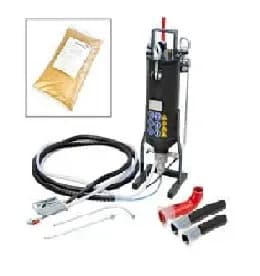
During the repair, the cylinder head does not need to be removed. Instead, technicians will remove only the intake manifold and/or compressor to gain access to the inlet ports and valves. A specialized granulate blasting unit is then used to blast crushed walnut shells at high pressure, which effectively scours away the carbon buildup. The repair must be performed according to detailed repair instructions provided by Audi.
Required Tools and Parts
To perform the walnut blasting procedure, specific tools and granulates are required:
- Granulate blasting unit: VAS 294 011
- Granulate: VAS 294 011/8 or 294 012 70 H00
- Diagnostic Tester: VAS 6160/VAS 6150, running the current version of ODIS (Windows 10)
These specialized tools ensure the cleaning process is performed effectively and safely, without damaging engine components.
Important Warranty Information
Owners should be aware that if their vehicle is outside of any applicable warranty, this Technical Service Bulletin is informational only. This means that the cost of diagnosis and repair for the Audi e-tron rough idling issue may not be covered by Audi. All warranty claims submitted for payment must adhere strictly to the Audi Warranty Policies and Procedures Manual, and claims are subject to review or audit by Audi Warranty.
TSB Revision History
This Technical Service Bulletin, Transaction Number 2075530/2, was initially published on October 8, 2024, as Revision 1. It was subsequently revised to Revision 2 on March 12, 2025, to include an updated header with an added PR code filter.
Source: NHTSA ID 11016532
Frequently Asked Questions
- What does TSB 2075530/2 address for Audi TFSI engines?
- TSB 2075530/2 addresses the issue of "Engine does not run smoothly at idling speed - all TFSI engines," specifically targeting rough idling caused by carbon deposits in the inlet ports and valves of 2023-2024 Audi TFSI vehicles.
- What causes the Audi e-tron rough idling symptom?
- The primary cause of the Audi e-tron rough idling symptom is the accumulation of carbon deposits on the inlet valves and ports. These deposits restrict airflow and can lead to "Sporadic misfiring logged in event memory of engine control unit," especially after cold starts and in vehicles used for short drives.
- How is the carbon deposit issue resolved according to the TSB?
- The issue is resolved by cleaning the inlet valves and ports using a walnut blasting procedure. This involves removing the intake manifold/compressor and using a specialized granulate blasting unit (VAS 294 011) to remove the carbon buildup without needing to remove the cylinder head.
- Will my warranty cover the repair for rough idling?
- Coverage for the repair depends on your vehicle's warranty status. If your 2023-2024 Audi is outside of its warranty period, this TSB is informational only, meaning the repair costs may not be covered by Audi. All warranty claims must comply with Audi's warranty policies.
- What are the key tools required for this repair?
- Key tools for this repair include the Granulate blasting unit VAS 294 011, Granulate VAS 294 011/8 or 294 012 70 H00, and a VAS tester (VAS 6160/VAS 6150) running the current version of ODIS (Windows 10).
Related Articles
2023 Audi e-tron Problems: Recalls, Complaints & TSBs
The 2023 Audi e-tron has faced several significant safety concerns, including recalls for potential charging cable overheating and brake pedal detachment. Owners have also reported serious issues like sudden unintended acceleration and electrical system malfunctions. This profile details these…
2023 Audi e-tron Brake Pedal Recall
Audi has issued a recall (NHTSA ID: 26V240000, Audi Recall 46P7) for certain 2019-2024 E-Tron and 2020-2024 E-Tron Sportback vehicles, including the 2023 Audi e-tron. The recall addresses a potential issue where the brake pedal may detach from the brake booster, leading to a loss of brake function.
2015-2027 Audi Noise Diagnosis with Frequency Analysis App TSB
Audi has released Technical Service Bulletin 2051095/11 detailing the Audi Frequency Analysis app. This app helps technicians diagnose noise complaints more precisely across 2015-2027 Audi models. Learn how the app works, where to download it, and its features for effective vehicle noise analysis.
2023 Audi e-tron AC/DC Charging Not Possible TSB
This manufacturer communication (NHTSA ID 11031035) provides critical information for 2023 Audi e-tron owners facing issues with AC/DC charging. It specifically highlights problems linked to software version 00C6: 0093/3119, which can prevent the vehicle from charging.
2023-2025 Audi Rear Seat Reminder Message TSB 2074943/2
Audi Technical Service Bulletin 2074943/2 explains the instrument cluster message 'Please check rear seats and be aware of door safelock' in various 2023-2025 Audi models. This informational TSB details the rear occupant detection system designed to prevent children and pets from being left in…
Leave a comment
Comments are moderated and may take a moment to appear. Only your first name and the initial of your last name are shown publicly.
Comments
Be the first to comment.