2021-2026 Audi Parking Assistance False Warnings TSB
This Technical Service Bulletin (TSB) 91 24 87 2024323/11 addresses false warnings from the parking assistance system in 2021-2026 Audi vehicles. It details various environmental and vehicle-related factors that can cause the system to incorrectly detect obstacles, along with comprehensive…
 David Chen2021 Audi e-tron
Si applica anche a
- Audi A3
- 2022–2025
- Audi A4
- 2021–2025
- Audi A4 allroad
- 2021–2025
- Audi A5
- 2021–2024
- Audi A6
- 2021–2025
- Audi A6 allroad
- 2021–2025
- Audi A7
- 2021–2025
- Audi A7 e
- 2021–2022
- Audi A8 L e
- 2021
- Audi e-tron
- 2022–2023
- Audi e-tron GT
- 2022–2025
- Audi e-tron Sportback
- 2021–2022
- Audi Q3
- 2021–2025
- Audi Q5
- 2021–2025
- Audi Q5 e
- 2021, 2023, 2024, 2025
- Audi Q7
- 2021–2025
- Audi Q8
- 2021–2025
- Audi R8
- 2021–2023
- Audi RS 3
- 2022–2024
- Audi RS 5
- 2021–2024
- Audi RS 6 Avant
- 2021–2025
- Audi RS 7
- 2021–2025
- Audi RS e-tron GT
- 2022–2024
- Audi RS Q8
- 2021–2025
- Audi S e-tron GT
- 2026
- Audi S3
- 2022–2025
- Audi S4
- 2021–2025
- Audi S5
- 2021–2024
- Audi S6
- 2021–2025
- Audi S7
- 2021–2025
- Audi S8
- 2021–2025
- Audi SQ5
- 2021–2025
- Audi SQ7
- 2021–2025
- Audi SQ8
- 2021–2025
- Audi TT
- 2021–2023
- Audi TT RS
- 2021–2022
- Audi TTS
- 2021–2023
▸ Mostra altri 31▾ Mostra meno
Audi has released Technical Service Bulletin (TSB) 91 24 87 2024323/11 to address customer complaints regarding false warnings from the parking assistance system. This TSB, dated November 26, 2024, supersedes previous bulletin Group 91 number 23-06 and provides comprehensive diagnostic and repair information for technicians. This issue can affect various 2021-2026 Audi models, including the Audi e-tron, leading to an unreliable parking experience.
Symptoms of False Parking Warnings
Owners typically report that their "Parking aid does not work / warning is issued although there is no obstacle." This means the system might alert the driver to an unseen object or fail to function correctly when needed. If you are experiencing Audi e-tron parking warnings that seem inaccurate, this TSB outlines potential causes and solutions.
Common Causes of False Parking Warnings
Various factors can contribute to the parking aid system issuing incorrect warnings. These can be categorized into environmental conditions, vehicle-specific issues, and aftermarket modifications.
Environmental Conditions
- Natural Obstacles: Plants growing to certain heights and curbs can trigger incorrect warnings.
- Road Conditions: Gravel tracks, cobblestones, potholes, cattle grids, sharp bends in the road, and slopes may lead to false alerts.
- Weather and Ambient Conditions: Water, ice, or snow on the parking aid senders can widen their radiation pattern. Vehicle exhaust gases and water vapor can alter the physical properties of the air, affecting ultrasound transmission.
- Noise Disturbances: External ultrasound sources like pneumatic brakes from heavy goods vehicles, anti-rodent devices, or parking aid systems in other vehicles can interfere.
- Immediate Surroundings: Fluorescent tubes, induction loops at traffic lights or car park barriers, and ramps/driveways can also cause interference.
Vehicle-Related Factors
- License Plate Installation: Issues such as a protruding plate carrier, the use of advertising carriers, incorrect license plate size, or improper fitment (e.g., bent edges) can obstruct sensors.
- Add-on Parts and Modifications: Non-Audi Genuine Accessories like trailer hitches, lowered ride height, spoilers, bumpers, sound generators, or anti-rodent devices can cause erroneous warnings.
- Previous Damage: Areas with new paint applied after damage can sometimes affect sensor performance.
Diagnosis and Inspection Procedures
Audi technicians follow a detailed procedure to diagnose the root cause of false parking warnings. This involves several stages of inspection, both visual and using diagnostic tools.
External Visual Checks
Technicians first perform checks without removing any components or using a diagnostic tester:
- Sensor Condition: Inspect parking aid sensors for dirt, ice, foreign objects, or stuck-on film. They also check for damage on the bumper, air intake grille, underbody, and mechanical damage like stone chipping or scratches.
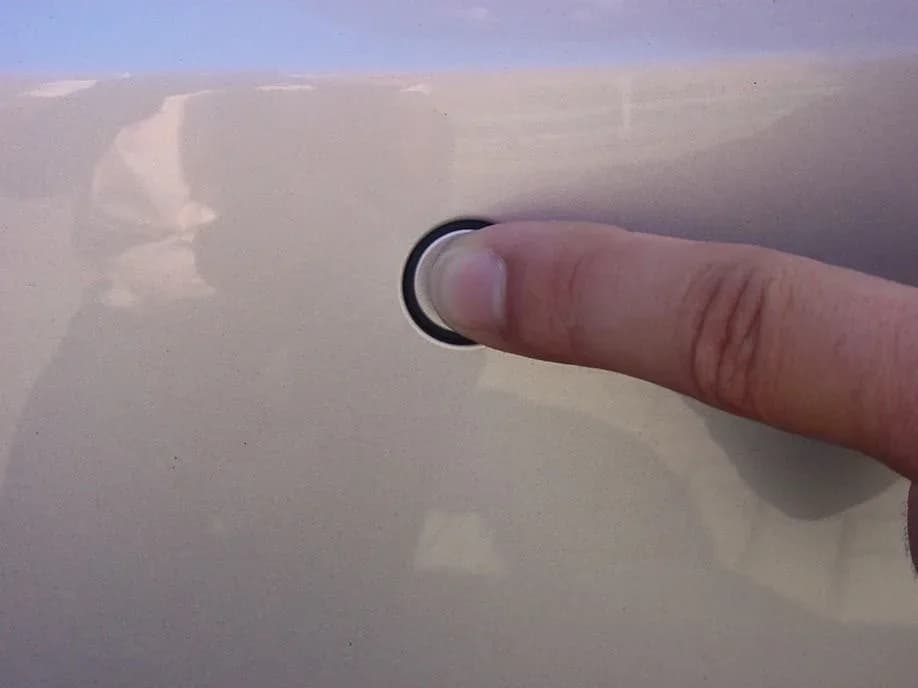
- Sensor Seating: Verify that parking aid senders are securely seated, engaged correctly, and centered. The decoupling ring must also be seated evenly, without bulging or folding (as shown in Figures 6 and 7 of the TSB). Sensors should be fitted flush with the bumper.
Diagnostic Tester Checks
If visual checks don't identify the issue, technicians proceed with diagnostic tools:
- Fault Memory: The vehicle's fault memory is checked for Diagnostic Trouble Codes (DTCs) related to parking aid senders. If a DTC is present, the affected sender may need replacement. However, if the event memory entry is no longer logged, replacement is not necessary.
- Live Data Analysis: If false warnings persist, oscillation time and distance evaluation are observed in measured value blocks. Technicians may decouple a sensor by covering it with a foam element to absorb ultrasound. If this stops the warning, the surrounding area is checked for reflective objects, and replacement is not needed. If the warning continues despite decoupling and no visible damage, the sensor must be replaced.
- Control Unit and Part Numbers: The coding in the parking aid control unit is checked (e.g., for retrofitted towing brackets), and part numbers are verified against the parts catalog.
Checks Requiring Removal
In some cases, components may need to be removed for further inspection:
- Connections: Connections at the sensors, coupling point on the bumper, parking aid control unit, and sound generator are inspected for corrosion, water entry, bent pins, pushed-back pins, and proper seating of connector seals.
- Wiring Harness: Wires in the bumper harness are checked for damage, crushing, and sufficient length. Routing may be optimized to ensure wires are not under tension.
- Sensor Brackets: The bracket holding the sensor in the bumper is checked for damage, deformation, secure attachment, correct alignment, and dirt.
Important Notes for Owners
- Warranty Coverage: Stone chipping and scratches on parking aid sensors are generally not covered under warranty. Dirty sensors must be cleaned as part of routine maintenance.
- Sensor Painting: When replacing sensors, special painting instructions must be followed. The housing of the sensor itself must not be painted; only the outer surface within a specific range (2-8mm) should be painted.
Warranty Information
For warranty claims related to these issues, repairs should be claimed under the applicable Service numbers and Damage Code. The TSB specifies Service Number 9175 for the parking aid sensor, 9174 for the parking aid control unit, and 9759 for the wiring harness, all with Damage Code 0040. If your vehicle is outside of its warranty period, this Technical Service Bulletin serves as informational guidance.
NHTSA ID: 11011285
Galleria
10 immagini
Frequently Asked Questions
- What does Audi TSB 91 24 87 2024323/11 address?
- Audi TSB 91 24 87 2024323/11 addresses instances where the parking assistance system in 2021-2026 Audi vehicles provides false warnings, indicating an obstacle when none is present, or fails to function correctly.
- What are common reasons for false Audi e-tron parking warnings?
- False Audi e-tron parking warnings can be caused by environmental factors like plants, curbs, or weather conditions (water, ice on sensors), vehicle-specific issues such as improper license plate installation, or aftermarket modifications like trailer hitches or lowered suspension. Previous paint repairs can also be a factor.
- Are stone chips on parking sensors covered by warranty?
- No, according to Audi TSB 91 24 87 2024323/11, stone chipping and scratches on parking aid sensors are not considered faults covered under warranty. Dirty sensors should also be cleaned as part of regular maintenance.
- What should a technician check if my Audi's parking aid system is giving false warnings?
- Technicians will perform external visual checks for dirt, damage, and proper sensor seating. They will also use a diagnostic tester to check for DTCs, observe oscillation time and distance evaluation, and verify control unit coding. In some cases, they may need to check connections and wiring for corrosion or damage.
- What are the warranty codes associated with this parking aid issue?
- For warranty claims related to this issue, technicians use Service Number 9175 for the parking aid sensor, 9174 for the parking aid control unit, and 9759 for the wiring harness, all with Damage Code 0040.
Related Articles
2021 Audi e-tron Electrical Malfunction and Power Loss
A 2021 Audi e-tron owner reported a severe 'Electrical Malfunction' resulting in complete loss of power on the highway. The issue has persisted despite dealer attempts to fix it over five months, posing significant safety risks.
2021-2026 Audi UTR Troubleshooting & FAQs TSB 2081409/1
This Audi Technical Service Bulletin (TSB 2081409/1) provides comprehensive answers to frequently asked questions and troubleshooting steps for the Audi Universal Traffic Recorder (UTR) accessory, covering topics like SD card compatibility, video playback, Wi-Fi issues, and more.
2021-2025 Audi Emergency Call System Fault TSB
Audi has released Technical Service Bulletin 2059528/18 to address an "Emergency call function: malfunction! Function unavailable. Please contact service" warning, often accompanied by a red SOS LED and DTC B200000. This issue affects various 2021-2025 Audi models and is due to a software problem…
2021-2026 Audi Adaptive Light System Fault C12B3FA TSB
Audi has released Technical Service Bulletin 2054202/7 to address an intermittent 'Audi adaptive light: system fault' message and DTC C12B3FA in various 2021-2026 models. This TSB outlines diagnosis and resolution for driver assistance system malfunctions.
2021-2026 Audi Parking Aid False Warnings TSB 2024323/12
This Technical Service Bulletin (TSB 2024323/12) details diagnostic and repair procedures for 2021-2026 Audi vehicles experiencing false parking aid warnings. Learn about environmental factors, sensor checks, and proper installation to resolve issues like 'Parking aid does not work / warning is…
Leave a comment
Comments are moderated and may take a moment to appear. Only your first name and the initial of your last name are shown publicly.
Comments
Be the first to comment.