2008-2026 Audi Speaker Rattles, Vibrations, Audio Issues TSB
Audi Technical Service Bulletin 2018187/17 details diagnostic and repair procedures for speaker rattles, vibrations, and audio interference in 2008-2026 Audi models. This TSB helps technicians identify the source of noises like crackling, creaking, and droning from the sound system.
 Sarah Mitchell2022 Audi e-tron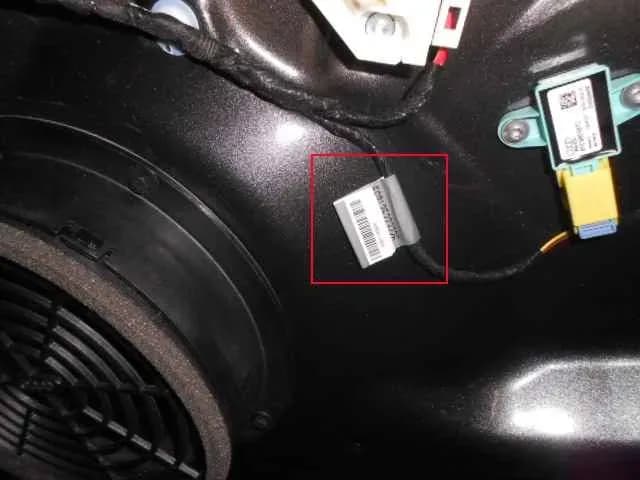
Si applica anche a
- Audi A3
- 2022–2025
- Audi A4
- 2021–2025
- Audi A4 allroad
- 2021–2025
- Audi A5
- 2021–2024
- Audi A6
- 2021–2025
- Audi A6 allroad
- 2021–2025
- Audi A7
- 2021–2025
- Audi A7 e
- 2021–2022
- Audi A8 L e
- 2021
- Audi e-tron
- 2021, 2023
- Audi e-tron GT
- 2022–2025
- Audi e-tron Sportback
- 2021–2022
- Audi Q3
- 2021–2025
- Audi Q5
- 2021–2025
- Audi Q5 e
- 2021, 2023, 2024, 2025
- Audi Q7
- 2021–2025
- Audi Q8
- 2021–2025
- Audi R8
- 2021–2023
- Audi RS 3
- 2022–2024
- Audi RS 5
- 2021–2024
- Audi RS 6 Avant
- 2021–2025
- Audi RS 7
- 2021–2025
- Audi RS e-tron GT
- 2022–2024
- Audi RS Q8
- 2021–2025
- Audi S e-tron GT
- 2026
- Audi S3
- 2022–2025
- Audi S4
- 2021–2025
- Audi S5
- 2021–2024
- Audi S6
- 2021–2025
- Audi S7
- 2021–2025
- Audi S8
- 2021–2025
- Audi SQ5
- 2021–2025
- Audi SQ7
- 2021–2025
- Audi SQ8
- 2021–2025
- Audi TT
- 2021–2023
- Audi TT RS
- 2021–2022
- Audi TTS
- 2021–2023
▸ Mostra altri 31▾ Mostra meno
Symptoms of Speaker Rattles and Audio Interference
Owners of 2008-2026 Audi vehicles, including the Audi e-tron, may experience various types of interference noise from their sound system. These symptoms often manifest as "crackling", "creaking", "clattering", or "droning" sounds. The noises can originate from the door, dash panel, or rear shelf, and are typically noticeable when listening to music, making a phone call, or playing other media. If you are experiencing Audi e-tron speaker rattles, this TSB provides guidance.
Understanding the Cause
According to TSB 2018187/17, these noises can be caused by parts of the speakers themselves, such as their brackets, cables, or covers, vibrating at certain frequencies. Additionally, components of the interior fittings, including door covers, the rear shelf, facings, or other covers, can also vibrate and produce similar noises. Constant improvements are being made to address these issues.
Important Warnings for Owners and Technicians
Audi has issued several important advisories regarding this issue:
- Default Sound Settings: "If the customer's individual sound settings are different from the default settings, the complaint should still be firstly assessed with the default sound settings." This ensures that custom equalization or audio enhancements are not masking or contributing to the problem.
- Noise Localization: "It is not always possible to localize the exact source of the noise directly. Vehicle components can transmit noises from other areas into the passenger compartment, which can make it difficult to localize the source of a noise correctly. Please always check around the speakers, as well as the speakers themselves." This applies particularly to "complaints regarding noises while on a phone call".
- Warranty Claims for Parts: "Parts must not be replaced without a good reason as stated in this TSB. Such claims will be debited." Claims for speaker covers that are replaced without being damaged may be denied. When claiming labor for rattling noises on trim parts under warranty, the respective service number of the trim piece must be used, and the damage type must be appropriate for the location in conjunction with the cause of the complaint.
Diagnosis and Repair Procedure Summary
The diagnostic and repair process outlined in Audi TSB 2018187/17 requires technicians to follow a specific sequence of steps to accurately identify and resolve the source of speaker rattles or audio interference. The customer complaint must be consistently reproducible for effective diagnosis.
- Initial Assessment and Reproduction: The technician first attempts to reproduce the customer's complaint. This involves removing any loose objects from the door storage compartments, glove box, and hat-shelf that might be contributing to the noise. A noise analysis kit, which includes special lubricants, may be used to reduce interior noise.
- Speaker Cover Inspection: The next step focuses on the speaker covers. Technicians check if a speaker cover is causing the noise by applying pressure to it. If the noise disappears, the cover is removed, and the complaint is re-evaluated. If the noise remains absent, the cover is reinstalled correctly, potentially with felt or other dampening materials. Damaged speaker covers are replaced, and labor is claimed using the service number of the speaker cover as the casual part, specifying damage type SA018 "loose".
- Speaker Bolt Tightness Check: All bolts on the affected speaker are checked for proper tightness. If any bolts can be tightened, the complaint is reassessed to see if the noise has been resolved.
- Foreign Body Inspection: The speaker itself is inspected for any foreign bodies that might be causing the noise. Any foreign bodies found are removed.
- Loudspeaker Sound Test: After confirming the loudspeaker is correctly seated, it is removed, and another sound test is performed while holding the loudspeaker magnet by hand with the membrane facing upwards. The speaker is checked for visible damage to the membrane or foam bead. If no unexpected noise is heard, the speaker is not replaced. If the noise persists, the technician proceeds to step 8.
- Passenger Compartment Inspection: The passenger compartment is thoroughly checked for loose bolts, trim pieces, "fluttering labels" (as shown in Figure 1 of the TSB), or wires that could vibrate and create resonance. Any loose parts are secured or replaced.
- Loudspeaker Reinstallation Check: If the complaint could not be reproduced with the loudspeaker removed, it is reinstalled, ensuring it is seated correctly, centrally, and flush. The complaint is then re-evaluated.
- Loudspeaker Swapping and Amplifier Check: If the noise persists, the technician swaps the affected loudspeaker with the opposite one (e.g., left with right). If the complaint's location moves with the swapped loudspeaker, the loudspeaker is replaced, but not before performing step 6 again to prevent repeat issues. If the complaint does not move, the investigation shifts to the amplifier area, checking for loose cables, bent or widened pins, or damp areas.
Warranty Information and Service Codes
When addressing speaker rattles and audio interference under warranty, it's crucial to use the correct service numbers and damage types. For example, if a loudspeaker is found to be loose, the labor claim should use the service number of the loudspeaker and specify damage type SA018 “loose”.
Here are examples of service numbers for various trim components that might be involved in rattling noise complaints:
- 5811 – Door handle
- 5817 – Door lock
- 5819 – Cable
- 5867 – Lock cylinder
- 7018 – Dash panel
- 7022 – Dash panel cover
- 7058 – Trim strip for dash panel
- 7014 – Loudspeaker cover
- 9732 – Wiring harness for door
- 9733 – Wiring harness for central locking system
- 9740 – Wiring harness for steering column
- 9774 – Wiring harness for dash panel
- 7059 – Door trim (front)
- 7073 – Door trim (rear)
- 6815 – Glove box
- 7030 – Luggage compartment cover
Additional Resources
For specific vehicle types 8T and 8K from model years 2008 – 2012, and 8F models from 2010 – 2012, technicians should also refer to TSB 2022773 for further guidance related to sound system issues.
Source: NHTSA ID: 11011282
Frequently Asked Questions
- What are the common symptoms of speaker issues addressed by Audi TSB 2018187/17?
- Owners may hear interference noises such as "crackling", "creaking", "clattering", or "droning" from the door, dash panel, or rear shelf speakers, especially when listening to music or making phone calls.
- What causes these speaker rattles and audio interference in Audi vehicles?
- The noises are typically caused by parts of the speakers (like brackets, cables, or covers) or interior fittings (such as door covers or the rear shelf) vibrating at certain frequencies.
- How do technicians diagnose and repair the Audi e-tron speaker rattles?
- Technicians follow a detailed procedure, starting with reproducing the complaint, checking speaker covers, tightening speaker bolts, inspecting for foreign bodies, performing sound tests with the speaker removed, and checking for loose trim or wires in the passenger compartment.
- What is the significance of damage type SA018 "loose" in this TSB?
- Damage type SA018 "loose" is a specific code used for warranty claims when a loudspeaker is found to be loose, indicating the nature of the fault for billing purposes.
- Are there any special considerations for diagnosing speaker noise related to individual sound settings?
- Yes, the TSB advises that if a customer uses individual tone settings, the complaint should first be assessed with the sound system reset to its default settings to ensure custom settings aren't contributing to or masking the issue.
Related Articles
2022 Audi e-tron Problems: Electrical System & Braking Concerns
The 2022 Audi e-tron has faced significant owner complaints regarding its electrical system, including sudden power loss and charging hazards, as well as various braking malfunctions. This profile details these issues and relevant service bulletins.
2022-2026 Audi Guided Fault Finding Reporting Obligation
Audi has issued Technical Service Bulletin TPI 2033392, also known as Transaction No. 2081531/1, regarding a reporting obligation for technicians when Guided Fault Finding produces an unexpected result. This TSB outlines the process for contacting Audi Product Support for diagnostic assistance.
2022-2026 Audi Infotainment System Complaints
Audi has released Technical Service Bulletin (TSB) 2081405/1 to address various customer complaints regarding infotainment systems in 2022-2026 Audi vehicles. This TSB helps technicians diagnose issues often caused by external media or mobile devices, rather than vehicle technology.
2018-2026 Audi Models Cracking Noise TSB 2061464/11
Audi Technical Service Bulletin 2061464/11 describes a cracking noise from the front or rear axle when changing direction in various 2018-2026 Audi models. The issue is due to stub axle movement and is resolved by bonding the stub axle to the wheel bearing with locking fluid.
2022-2026 Audi Parking Aid False Warnings TSB 2024323/13
Audi has released Technical Service Bulletin 2024323/13 to address customer complaints of false parking aid warnings. This bulletin details various environmental and vehicle-specific conditions that can cause the parking aid system to issue alerts even when no obstacles are present. It provides…
Leave a comment
Comments are moderated and may take a moment to appear. Only your first name and the initial of your last name are shown publicly.
Comments
Be the first to comment.