2022-2026 Audi Brake Disc Corrosion TSB
Audi has released Technical Service Bulletin (TSB) 2067132/2 to address corrosion on the friction surface of steel brake discs, which can lead to rust and braking noises or vibrations. This TSB applies to various 2022-2026 Audi models and provides diagnostic and repair guidance.
 Sarah Mitchell2022 Audi e-tron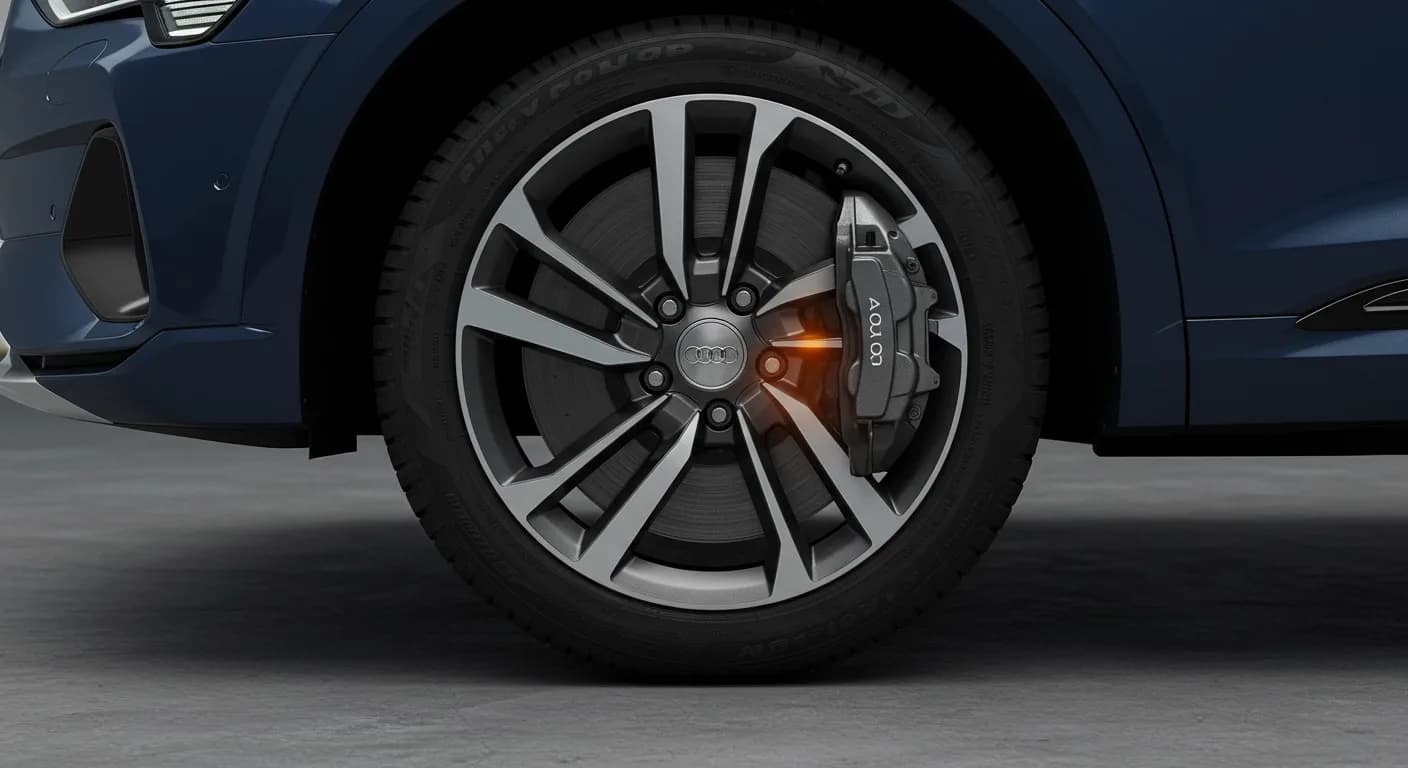
Si applica anche a
- Audi A3
- 2022–2025
- Audi A4
- 2021–2025
- Audi A4 allroad
- 2021–2025
- Audi A5
- 2021–2025
- Audi A6
- 2021–2025
- Audi A6 allroad
- 2021–2024
- Audi A7
- 2021–2025
- Audi A7 e
- 2021–2022
- Audi A8 L e
- 2021
- Audi e-tron
- 2021, 2023
- Audi e-tron GT
- 2022–2025
- Audi Q3
- 2021–2025
- Audi Q5
- 2021–2025
- Audi Q5 e
- 2024–2025
- Audi Q7
- 2021–2025
- Audi Q8
- 2021–2025
- Audi R8
- 2021–2023
- Audi RS 3
- 2022–2025
- Audi RS 5
- 2021–2025
- Audi RS 6 Avant
- 2021–2025
- Audi RS 7
- 2021–2025
- Audi RS e-tron GT
- 2022–2024
- Audi RS Q8
- 2021–2025
- Audi S e-tron GT
- 2026
- Audi S3
- 2022–2025
- Audi S4
- 2021–2025
- Audi S5
- 2021–2025
- Audi S6
- 2021–2025
- Audi S7
- 2021–2025
- Audi S8
- 2021–2025
- Audi SQ5
- 2021–2025
- Audi SQ7
- 2021–2025
- Audi SQ8
- 2021–2025
- Audi TT
- 2021–2023
- Audi TT RS
- 2021–2022
- Audi TTS
- 2021–2023
▸ Mostra altri 30▾ Mostra meno
Audi has issued Technical Service Bulletin (TSB) 2067132/2, superseding previous bulletin 22-26, to provide guidance on addressing corrosion on the friction surface of steel brake discs. This TSB, updated on September 15, 2023, applies to a wide range of Audi vehicles from model years 2022 through 2026.
Symptoms
Owners of affected Audi vehicles may experience the following conditions related to Audi brake disc corrosion:
- "Rust layer on the brake disc."
- "Noises and/or vibrations when braking."
These symptoms are often noticeable after the vehicle has been stationary for extended periods or if the brakes are used lightly, leading to insufficient brake cleaning.
Technical Background
Corrosion on the brake disc friction surface is a common issue that can arise from environmental factors such as moisture, road salt, snow, and dirt. The brake disc material, specifically "flake graphite cast iron," is not resistant to corrosion. It's important to note that an anti-corrosion coating cannot be applied to the friction surfaces of these brake discs.
Regular maintenance of the brake discs, as outlined in the Owner's Manual, is crucial. This includes removing corrosion regularly and avoiding overuse by intensive braking, which can exacerbate the issue of Audi brake disc corrosion.
What Owners Should Know
Audi's TSB 2067132/2 is informational and does not fall under any Audi warranty. This means that any diagnosis or repair related to the conditions described in this bulletin may not be covered by your vehicle's warranty. Owners should consult with their dealership regarding specific coverage.
Repair Procedure Summary
If a customer reports symptoms of Audi brake disc corrosion, a workshop will first confirm the complaint. The recommended service procedure involves a specific test drive designed to clean the brake discs:
- Extensive Test Drive: Perform a thorough test drive involving several brake operations.
- ABS Stops: Carefully perform 2-3 ABS stops from speeds exceeding 50 mph. Between each ABS stop, allow the brake components to cool by driving the vehicle for more than one minute at speeds greater than 50 mph.
- Pad Contact Check: After the test drive, verify that the brake pads are making correct contact with the disc, ensuring they clean the entire surface.
If the condition persists after this procedure, the brake disc and pads should be replaced.
Important Notes
When performing the ABS stops during the test drive, it is crucial to "Do not perform ABS stops if brand new pads and/or discs are installed." This prevents potential damage or improper seating of new components.
Frequently Asked Questions
- What causes the 'Rust layer on the brake disc' in Audi vehicles?
- The 'Rust layer on the brake disc' is primarily caused by environmental factors like moisture, road salt, snow, and dirt. The brake discs, made of 'flake graphite cast iron', are not resistant to corrosion, especially if the vehicle is stationary for long periods or if the brakes are used lightly.
- Will my Audi warranty cover the repair for brake disc corrosion?
- According to TSB 2067132/2, this bulletin is informational only and not applicable to any Audi Warranty. This means that repairs for 'Audi brake disc corrosion' may not be covered, and owners should discuss potential costs with their Audi dealership.
- What is the recommended fix for 'Audi brake disc corrosion' and related noises?
- The recommended fix involves an extensive test drive with several brake operations, including 2-3 ABS stops from speeds over 50 mph. If this procedure does not eliminate the 'Rust layer on the brake disc' or 'Noises and/or vibrations when braking', then replacement of the brake disc and pads may be necessary.
- Are there any specific driving instructions to prevent brake disc corrosion?
- Yes, the TSB mentions that brake discs must be maintained according to the Owner's Manual, which includes removing corrosion regularly and avoiding overuse by intensive braking. Regular use of the brakes helps to keep the friction surfaces clean.
Related Articles
2022 Audi e-tron Problems: Electrical System & Braking Concerns
The 2022 Audi e-tron has faced significant owner complaints regarding its electrical system, including sudden power loss and charging hazards, as well as various braking malfunctions. This profile details these issues and relevant service bulletins.
2022-2026 Audi Guided Fault Finding Reporting Obligation
Audi has issued Technical Service Bulletin TPI 2033392, also known as Transaction No. 2081531/1, regarding a reporting obligation for technicians when Guided Fault Finding produces an unexpected result. This TSB outlines the process for contacting Audi Product Support for diagnostic assistance.
2022-2026 Audi Infotainment System Complaints
Audi has released Technical Service Bulletin (TSB) 2081405/1 to address various customer complaints regarding infotainment systems in 2022-2026 Audi vehicles. This TSB helps technicians diagnose issues often caused by external media or mobile devices, rather than vehicle technology.
2018-2026 Audi Models Cracking Noise TSB 2061464/11
Audi Technical Service Bulletin 2061464/11 describes a cracking noise from the front or rear axle when changing direction in various 2018-2026 Audi models. The issue is due to stub axle movement and is resolved by bonding the stub axle to the wheel bearing with locking fluid.
2022-2026 Audi Parking Aid False Warnings TSB 2024323/13
Audi has released Technical Service Bulletin 2024323/13 to address customer complaints of false parking aid warnings. This bulletin details various environmental and vehicle-specific conditions that can cause the parking aid system to issue alerts even when no obstacles are present. It provides…
Leave a comment
Comments are moderated and may take a moment to appear. Only your first name and the initial of your last name are shown publicly.
Comments
Be the first to comment.