2022-2023 Audi Models HVAC Musty Odor TSB
Audi has released Technical Service Bulletin 2010146/17 for 2022-2023 models addressing a musty odor from the heating and ventilation system. Learn about the symptoms, cause, and the specialized cleaning process to resolve the issue.
 Ahmet Topcu2023 Audi e-tron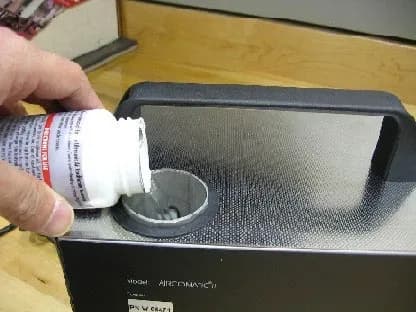
Si applica anche a
- Audi A3
- 2022–2023
- Audi A4
- 2021–2023
- Audi A4 allroad
- 2021
- Audi A5
- 2021–2023
- Audi A6
- 2021–2023
- Audi A6 allroad
- 2021
- Audi A7
- 2021–2023
- Audi A7 e
- 2021–2022
- Audi A8 L e
- 2021
- Audi e-tron
- 2021–2022
- Audi e-tron GT
- 2022–2023
- Audi Q3
- 2021–2023
- Audi Q5
- 2021
- Audi Q7
- 2021–2023
- Audi Q8
- 2021–2023
- Audi R8
- 2021–2023
- Audi RS 3
- 2023
- Audi RS 5
- 2021–2023
- Audi RS 6 Avant
- 2021–2023
- Audi RS 7
- 2021–2023
- Audi RS e-tron GT
- 2022–2023
- Audi RS Q8
- 2021–2023
- Audi S3
- 2022–2023
- Audi S4
- 2021–2023
- Audi S5
- 2021–2023
- Audi S6
- 2021–2023
- Audi S7
- 2021–2023
- Audi S8
- 2021, 2023
- Audi SQ5
- 2021–2023
- Audi SQ7
- 2021–2023
- Audi SQ8
- 2021–2022
- Audi TT
- 2021–2023
- Audi TT RS
- 2021–2022
- Audi TTS
- 2021–2023
▸ Mostra altri 28▾ Mostra meno
Symptoms
Owners of 2022-2023 Audi models may notice an "unpleasant, musty odor coming from the heating and ventilation system." This Audi HVAC musty odor typically manifests under specific conditions:
- The odor usually occurs after the vehicle has been sitting unused for five hours or more.
- The smell often appears within 20 to 60 seconds after the vehicle is started.
Technical Background
Condensation is a normal byproduct of all A/C systems, and it can lead to a musty odor. It's important to differentiate this from other potential sources of odor, such as mold or mildew in the passenger compartment unrelated to the A/C system. Before performing the cleaning procedure, other possible odor sources must be investigated and ruled out.
Important Warnings for Owners
Audi has specific conditions regarding this service bulletin:
- This cleaning procedure is allowed only once per vehicle.
- The vehicle must be within its first 12 months of service and covered under the New Vehicle Limited Warranty (NVLW).
- An original customer concern regarding the specified odor symptom must be documented on the repair order for this bulletin to apply. Dealers are not permitted to add this procedure without a customer complaint.
- Any subsequent applications of this procedure, should they become necessary, will be the customer's responsibility and not covered under warranty.
- Replacement of the pollen filter under warranty is not allowed as part of this procedure. The pollen filter is only covered if specified at the appropriate maintenance interval.
Repair Procedure Summary
To eliminate the Audi HVAC musty odor, Audi specifies a specialized cleaning process using the Aircomatic® II Ultrasonic Climate System Cleaner (VAS 6189A) and Airco-Clean® Ultrasonic Air Conditioning Treatment (VAS 6189/1). No other cleaning methods are permitted.
The high-level procedure involves several steps:
- Preparation: If your vehicle is equipped with an in-cabin pollen filter, it must be removed, and its cover reinstalled before proceeding.
- Vehicle Setup: Start the engine and adjust the climate control settings. This includes setting the temperature to its lowest, fan speed to its lowest, airflow to dash vents only, and activating recirculation and ECON modes (as shown in Figure 1 of the TSB).
- Treatment Application: A 100ml bottle of Airco-Clean® treatment is thoroughly shaken and emptied into the filling chamber of the Aircomatic® unit (Figure 2).
- Unit Placement: The cleaning unit is placed level in the passenger side footwell, and its outlet tube is connected (Figure 3). The unit's power cord is routed through a slightly open window, with all other windows and the sunroof completely closed (Figure 4).
- Cleaning Cycle: The unit is turned on, and the outlet tube is positioned so that the vapor is drawn into the recirculation air intake. All doors are closed. The atomized cleaning fluid will then be emitted from the vents. The treatment typically takes 15-20 minutes, after which the machine automatically stops.
- Dual Evaporator Systems: For vehicles equipped with a four-zone climate control system and two evaporators (such as the Audi Q7 and A8), the procedure must be repeated for the rear A/C unit. The outlet tube should be positioned towards the fresh air inlet vent for the rear unit (Figure 5).
- Post-Treatment: After the cleaning cycle, the vehicle should be aired out for approximately ten minutes.
- Maintenance: Technicians should consult the Aircomatic® manual for instructions on maintaining the unit after each use.
Required Tools and Parts
To perform this cleaning procedure, specific Audi-approved items are necessary:
- Part Number VAS 6189/1: Airco-Clean® Ultrasonic Air Conditioning Treatment (100ml bottle). One bottle is required for models with a single evaporator, and two bottles for models with two evaporators.
- Tool Number VAS 6189B: Aircomatic® II Ultrasonic Climate System Cleaning unit.
- Other: Fasteners, bolts, nuts, and screws as needed per the Repair Manual (refer to ETKA/ELSA for specific details).
Warranty Information
For vehicles under warranty, the following claim details apply:
- Claim Type: 1SP
- Service Number: 8760
- Damage Code: 0049
- Labor Operations:
- A/C clean - All models with single evaporator: 8701 2999 (70 Labor Time Units)
- A/C clean - All models with two evaporators: 8701 3099 (135 Labor Time Units)
- Audi R8 A/C clean: 8701 0599 (210 Labor Time Units)
- Diagnostic Time: GFF (No allowance, 0 Labor Time Units)
- Road Test Time: No allowance for road tests prior to or after service (0 Labor Time Units).
- Claim Comment: As per TSB 2010146/17
Owner Action
If you are experiencing a Audi HVAC musty odor in your 2022-2023 Audi model, it is recommended to contact your authorized Audi dealer. Describe the symptoms clearly, noting when the odor occurs. Be aware of the warranty conditions mentioned above, as this procedure is typically covered only once and within the first 12 months of service under the New Vehicle Limited Warranty.
NHTSA ID
This article is based on NHTSA document 10210526.
Galleria
6 immagini
Frequently Asked Questions
- What causes a musty odor in my 2022-2023 Audi's HVAC system?
- A musty odor from your Audi's heating and ventilation system is commonly caused by condensation that naturally forms within the A/C system. This creates an environment where a musty smell can develop.
- Is the Audi HVAC musty odor covered under warranty?
- Yes, the cleaning procedure to address the Audi HVAC musty odor is generally covered under the New Vehicle Limited Warranty, but with specific conditions. It is typically allowed only once per vehicle and must be performed within the first 12 months of service. Subsequent treatments are usually the owner's responsibility.
- What is TSB 2010146/17 about?
- TSB 2010146/17 is a Technical Service Bulletin from Audi that provides instructions for dealers on how to properly clean the heating and ventilation system to remove unpleasant, musty odors. It specifies the use of specialized tools and cleaning agents like the Aircomatic® II Ultrasonic Climate System Cleaner and Airco-Clean® Ultrasonic Air Conditioning Treatment.
- Can I perform the HVAC cleaning myself to fix the musty odor?
- Audi's TSB 2010146/17 specifies the use of specialized equipment (VAS 6189B and VAS 6189/1) and a precise procedure that is typically performed by trained technicians. It also states that 'no other cleaning methods are permitted' for this specific issue, suggesting it's best handled by an authorized Audi service center.
Related Articles
Should 2023 Audi e-tron Owners Worry? Recall & TSB Roundup
The 2023 Audi e-tron faces significant safety concerns, including recalls for potential brake pedal detachment and charging cable overheating. Owners have also reported serious issues like unintended acceleration and electrical system malfunctions. This guide covers all known problems and solutions.
2023 Audi e-tron Brake Pedal Recall
Audi has issued a recall (NHTSA ID: 26V240000, Audi Recall 46P7) for certain 2019-2024 E-Tron and 2020-2024 E-Tron Sportback vehicles, including the 2023 Audi e-tron. The recall addresses a potential issue where the brake pedal may detach from the brake booster, leading to a loss of brake function.
2015-2027 Audi Noise Diagnosis with Frequency Analysis App TSB
Audi has released Technical Service Bulletin 2051095/11 detailing the Audi Frequency Analysis app. This app helps technicians diagnose noise complaints more precisely across 2015-2027 Audi models. Learn how the app works, where to download it, and its features for effective vehicle noise analysis.
2023 Audi e-tron AC/DC Charging Not Possible TSB
This manufacturer communication (NHTSA ID 11031035) provides critical information for 2023 Audi e-tron owners facing issues with AC/DC charging. It specifically highlights problems linked to software version 00C6: 0093/3119, which can prevent the vehicle from charging.
2023-2025 Audi Rear Seat Reminder Message TSB 2074943/2
Audi Technical Service Bulletin 2074943/2 explains the instrument cluster message 'Please check rear seats and be aware of door safelock' in various 2023-2025 Audi models. This informational TSB details the rear occupant detection system designed to prevent children and pets from being left in…
Leave a comment
Comments are moderated and may take a moment to appear. Only your first name and the initial of your last name are shown publicly.
Comments
Be the first to comment.