2021-2022 Audi e-tron Energy Consumption Display Low TSB
Audi has released Technical Service Bulletin 90 22 37 2065793/1 to address an issue in 2021-2022 e-tron models where the instrument cluster shows an implausibly low average long-term energy consumption. A software update to the Audi virtual cockpit resolves this.
 Marcus Weber2022 Audi e-tron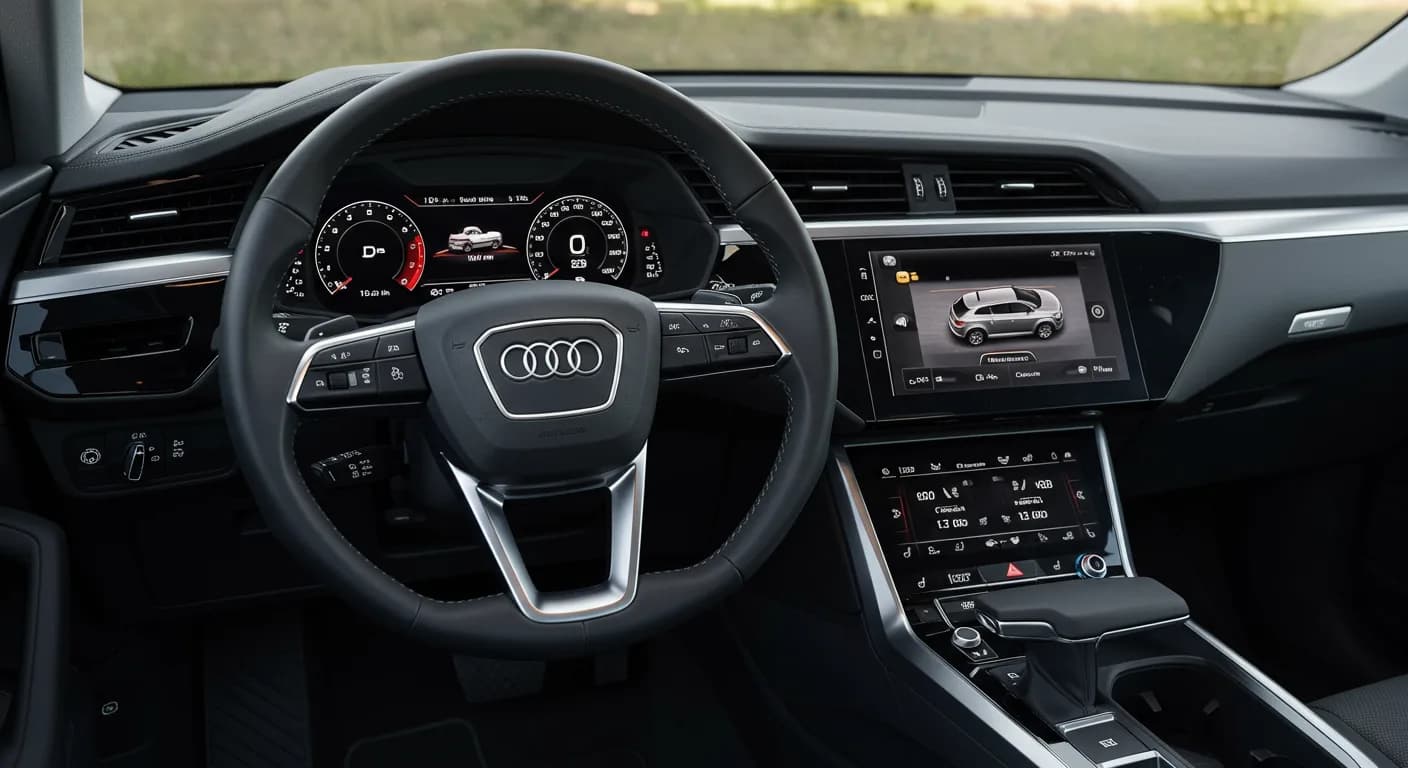
Si applica anche a
- Audi e-tron
- 2021
- Audi e-tron GT
- 2022
- Audi RS e-tron GT
- 2022
Symptoms
Owners of 2021-2022 Audi e-tron models may notice that the "average long-term energy consumption displayed in the instrument cluster is implausibly low." This issue typically manifests after approximately 3,000 miles of driving.
If the long-term memory is reset, the energy consumption display will temporarily show correct values. However, the problem will recur once another 3,000 miles have been driven, leading to a consistently low reading for the Audi e-tron energy consumption low issue.
Diagnosis and Trigger Conditions
The root cause of the inaccurate display is a software malfunction within the instrument cluster. This software error causes the values shown to be incorrect, specifically impacting the average long-term energy consumption.
Repair Procedure Summary
To resolve the "Audi e-tron energy consumption low" problem, a software update for the Audi virtual cockpit is required. This update involves using an ODIS Tester and applying the optimized software.
Technicians will update the Audi Virtual Cockpit software using either an automated method via ODIS or a manual update if there are SVM code or server issues. The update process utilizes SVM code 17A040 and is detailed in TSB 2060523: 91 MIB3 Software Update Instructions. The entire update procedure, including the software update and SVM work, takes approximately 30-60 minutes.
Required Tools or Parts
To perform this software update, the following equipment is necessary:
- ODIS Tester: Used for diagnostic and programming functions.
- USB Flash Drive: Required for the software update. Specific SD Creator Part Numbers are:
- For MY2021 vehicles: 4N0 906 961 AQ
- For MY2022 vehicles: 4KE 906 961 A
Warranty Information
This Technical Service Bulletin (TSB 90 22 37 2065793/1) outlines the warranty claim procedures for addressing the Audi e-tron energy consumption low issue. The repair is covered under warranty for up to 48 months or 50,000 miles, whichever comes first. For Certified Pre-Owned (CPO) vehicles, the G10 claim type applies, requiring verification of ownership.
If your vehicle is outside of the warranty period, this Technical Service Bulletin serves as informational guidance. The damage code for this repair is 0039, and the service number is 9025. Labor operations for the software update, including checking for Diagnostic Trouble Codes (DTCs), are assigned code 0151 0000.
Important Warnings
Owners and technicians should be aware of specific requirements during the software update process:
- Key Placement: The vehicle key must be placed on the emergency key reader coil to start and remain there throughout the entire update procedure.
- Warranty Information: Please refer to the warranty information provided specifically within this TSB (90 22 37 2065793/1) and disregard any conflicting information found in TSB 2060523 regarding warranty claims.
This TSB 90 22 37 2065793/1 replaces the previously issued Pending Service Solution (PSS) TSB 2063789/1.
NHTSA ID: 10207101
Frequently Asked Questions
- What is the 'Audi e-tron energy consumption low' issue?
- The 'Audi e-tron energy consumption low' issue refers to a software malfunction in the instrument cluster of 2021-2022 Audi e-tron models, causing the average long-term energy consumption display to show implausibly low and inaccurate values, typically after 3,000 miles of driving.
- Which Audi models are affected by TSB 90 22 37 2065793/1?
- Technical Service Bulletin 90 22 37 2065793/1 affects 2021-2022 Audi e-tron quattro, e-tron Sportback quattro, 2022 e-tron GT, and 2022 RS e-tron GT models.
- How is the 'average long-term energy consumption displayed in the instrument cluster is implausibly low' problem fixed?
- This problem is resolved by a software update to the Audi virtual cockpit. The update is performed by a dealership technician using an ODIS Tester and SVM code 17A040, as detailed in TSB 2060523: 91 MIB3 Software Update Instructions.
- Is the software update for the Audi e-tron energy consumption low issue covered under warranty?
- Yes, the software update is covered under warranty for up to 48 months or 50,000 miles, whichever comes first. For Certified Pre-Owned vehicles, specific claim procedures apply.
Related Articles
2022 Audi e-tron Problems: Electrical System & Braking Concerns
The 2022 Audi e-tron has faced significant owner complaints regarding its electrical system, including sudden power loss and charging hazards, as well as various braking malfunctions. This profile details these issues and relevant service bulletins.
2022-2026 Audi Guided Fault Finding Reporting Obligation
Audi has issued Technical Service Bulletin TPI 2033392, also known as Transaction No. 2081531/1, regarding a reporting obligation for technicians when Guided Fault Finding produces an unexpected result. This TSB outlines the process for contacting Audi Product Support for diagnostic assistance.
2022-2026 Audi Infotainment System Complaints
Audi has released Technical Service Bulletin (TSB) 2081405/1 to address various customer complaints regarding infotainment systems in 2022-2026 Audi vehicles. This TSB helps technicians diagnose issues often caused by external media or mobile devices, rather than vehicle technology.
2018-2026 Audi Models Cracking Noise TSB 2061464/11
Audi Technical Service Bulletin 2061464/11 describes a cracking noise from the front or rear axle when changing direction in various 2018-2026 Audi models. The issue is due to stub axle movement and is resolved by bonding the stub axle to the wheel bearing with locking fluid.
2022-2026 Audi Parking Aid False Warnings TSB 2024323/13
Audi has released Technical Service Bulletin 2024323/13 to address customer complaints of false parking aid warnings. This bulletin details various environmental and vehicle-specific conditions that can cause the parking aid system to issue alerts even when no obstacles are present. It provides…
Leave a comment
Comments are moderated and may take a moment to appear. Only your first name and the initial of your last name are shown publicly.
Comments
Be the first to comment.