2021-2022 Audi Speaker Rattles, Vibrations, or Audio Interference
Audi has released TSB 2018187/12 addressing speaker rattles, vibrations, and audio interference in 2021-2022 models. Learn how to diagnose and address these common sound system complaints.
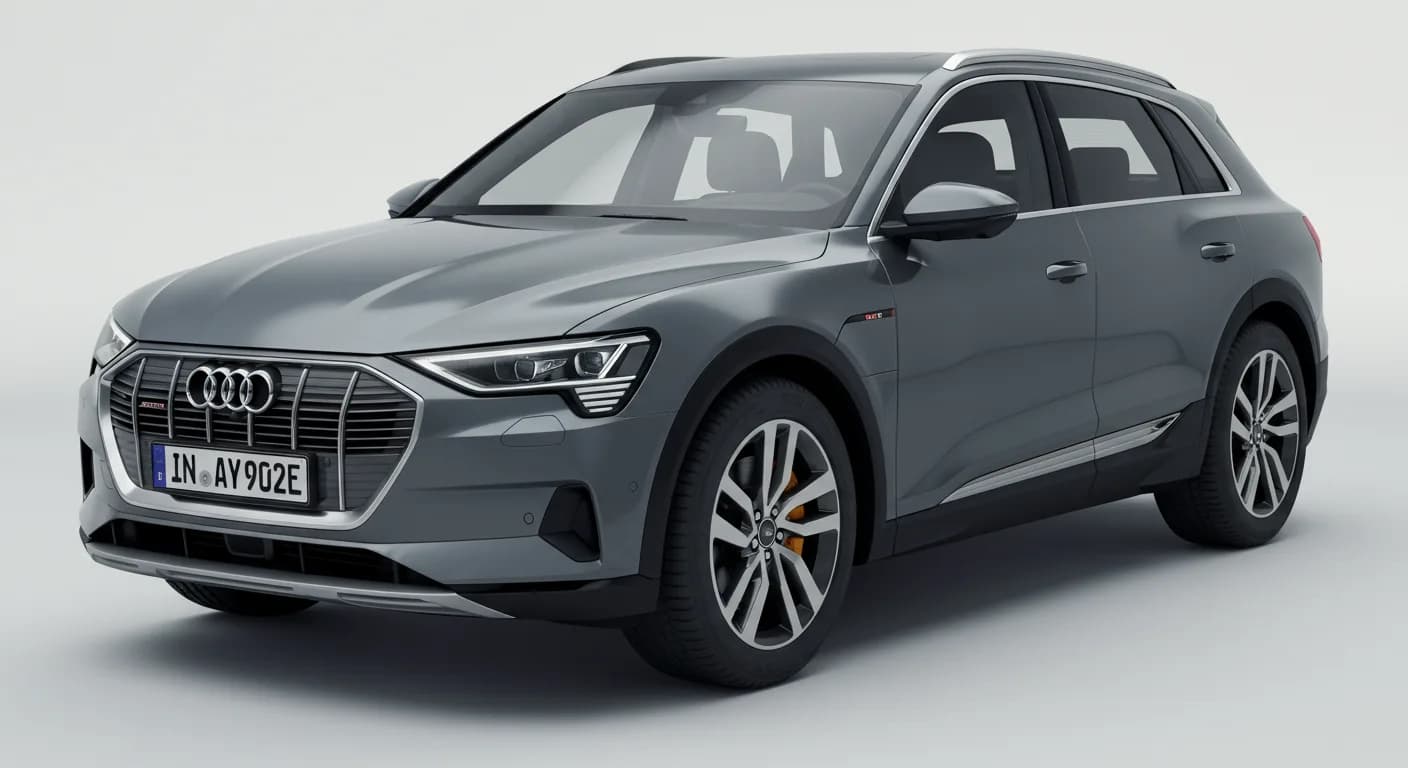
 Ahmet Topcu2021 Audi e-tron
Si applica anche a
- Audi A3
- 2022
- Audi A4
- 2021–2022
- Audi A5
- 2021–2022
- Audi A6
- 2021–2022
- Audi A6 allroad
- 2021
- Audi A7
- 2021–2022
- Audi A7 e
- 2021–2022
- Audi A8 L e
- 2021
- Audi e-tron
- 2022
- Audi Q3
- 2021–2022
- Audi Q5
- 2021
- Audi Q7
- 2021–2022
- Audi Q8
- 2021
- Audi R8
- 2021
- Audi RS 5
- 2021–2022
- Audi RS 6 Avant
- 2021–2022
- Audi RS 7
- 2021–2022
- Audi RS Q8
- 2021–2022
- Audi S3
- 2022
- Audi S4
- 2021–2022
- Audi S5
- 2021–2022
- Audi S6
- 2021–2022
- Audi S7
- 2021–2022
- Audi S8
- 2021–2022
- Audi SQ5
- 2021–2022
- Audi SQ8
- 2021–2022
- Audi TT
- 2021–2022
- Audi TT RS
- 2021–2022
- Audi TTS
- 2021–2022
▸ Mostra altri 23▾ Mostra meno
Audi has released Technical Service Bulletin (TSB) 2018187/12 to address customer complaints regarding sound system issues in various 2021-2022 Audi models. This bulletin provides comprehensive guidance for technicians to diagnose and resolve speaker rattles, vibrations, or audio interference that can significantly disrupt the in-car listening experience. This TSB is an update, superseding an earlier bulletin, Group 91 number 20-39, issued on February 20, 2020. The revision incorporates updates for newer model years, specifically adding Model Year 2022 to the scope of affected vehicles and refining diagnostic procedures.
Symptoms
Owners may notice a range of undesirable noises coming from one or more speakers in their vehicle. These symptoms indicate potential Audi speaker interference and include:
- A cracking sound
- A grinding noise
- Rattling
- Humming
- Whining
- Other similar forms of audio interference
Technical Background and Diagnosis
The TSB explains that these sound system issues can stem from two primary sources. Firstly, physical vibrations can occur when parts of the speakers, such as their brackets, cables, or covers, or even components of the interior trim like door covers, the rear shelf, facings, or other covers, resonate at certain frequencies. This physical vibration can lead to the perceived rattling or grinding noises.
Secondly, the radio tuner or other control modules within the vehicle's sound system can be affected by electromagnetic interference. This type of interference is often caused by aftermarket electronic devices connected within the vehicle. This can manifest as humming, whining, or general audio interference.
To properly diagnose the source of the Audi speaker interference, technicians are instructed to follow a specific, systematic procedure. This methodical approach helps pinpoint whether the issue is mechanical vibration or electromagnetic interference.
- Check for loose objects: The first step is to confirm that the interference is not simply caused by loose items stored within the vehicle's cabin, such as keys, CD covers, pens, or sunglasses. These items can vibrate against interior surfaces and mimic speaker noise.
- Test for trim-related interference: Next, technicians are advised to push against the trim surrounding the affected speaker and also to push the speaker itself against its mounting points. If the interference does not disappear or change during these actions, it strongly suggests that the issue is not a simple loose trim piece or an improperly mounted speaker.
- Isolate the speaker: A crucial diagnostic step involves removing the speaker from its mounting and listening to it while it is isolated from the vehicle's structure. This helps differentiate between speaker-internal issues and external vibrations.
- If interference is no longer heard when isolated: This indicates the problem lies within the cabin fittings or the speaker's immediate environment. Technicians should then meticulously check for and fix any loose parts in the surrounding interior. This might involve tightening fasteners, applying sound-dampening material, or replacing any underlay material as necessary to prevent vibrations from transmitting to the speaker.
- If interference is still heard when isolated: This points towards an electrical issue, most likely electromagnetic interference. Technicians should then investigate if any aftermarket electrical devices are connected anywhere in the vehicle, particularly those drawing power from a 12V power socket. Disconnecting power to such devices and rechecking the speaker for interference can confirm if they are the source. If the interference stops, the customer should be clearly informed that these specific aftermarket devices can generate electromagnetic fields that interfere with the vehicle's radio tuner and sound system.
Important Warnings
Audi states that this Technical Service Bulletin (TSB) is for informational purposes only and is not applicable to any Audi Warranty. Owners should be aware that repairs related to this TSB may not be covered under their vehicle's warranty.
NHTSA ID: 10201546
Frequently Asked Questions
- What are the common symptoms of Audi speaker interference?
- Owners may experience cracking, grinding, rattling, humming, or whining noises, or other similar audio interference coming from one or more speakers in their 2021-2022 Audi vehicle.
- Can aftermarket devices cause Audi speaker interference?
- Yes, the TSB indicates that aftermarket electrical devices connected in the vehicle, especially those using a 12V power socket, can cause electromagnetic interference with the radio tuner and sound system, leading to speaker noise.
- Is the repair for speaker rattles or audio interference covered under Audi warranty?
- According to TSB 2018187/12, this bulletin is for informational purposes only and is not applicable to any Audi Warranty. This means repairs related to these issues may not be covered.
- What is Audi TSB 2018187/12 about?
- TSB 2018187/12 is an Audi Technical Service Bulletin that provides diagnostic procedures for technicians to identify and resolve speaker rattles, vibrations, and audio interference in 2021-2022 Audi models.
Related Articles
2021 Audi e-tron Electrical Malfunction and Power Loss
A 2021 Audi e-tron owner reported a severe 'Electrical Malfunction' resulting in complete loss of power on the highway. The issue has persisted despite dealer attempts to fix it over five months, posing significant safety risks.
2021-2026 Audi UTR Troubleshooting & FAQs TSB 2081409/1
This Audi Technical Service Bulletin (TSB 2081409/1) provides comprehensive answers to frequently asked questions and troubleshooting steps for the Audi Universal Traffic Recorder (UTR) accessory, covering topics like SD card compatibility, video playback, Wi-Fi issues, and more.
2021-2025 Audi Emergency Call System Fault TSB
Audi has released Technical Service Bulletin 2059528/18 to address an "Emergency call function: malfunction! Function unavailable. Please contact service" warning, often accompanied by a red SOS LED and DTC B200000. This issue affects various 2021-2025 Audi models and is due to a software problem…
2021-2026 Audi Adaptive Light System Fault C12B3FA TSB
Audi has released Technical Service Bulletin 2054202/7 to address an intermittent 'Audi adaptive light: system fault' message and DTC C12B3FA in various 2021-2026 models. This TSB outlines diagnosis and resolution for driver assistance system malfunctions.
2021-2026 Audi Parking Aid False Warnings TSB 2024323/12
This Technical Service Bulletin (TSB 2024323/12) details diagnostic and repair procedures for 2021-2026 Audi vehicles experiencing false parking aid warnings. Learn about environmental factors, sensor checks, and proper installation to resolve issues like 'Parking aid does not work / warning is…
Leave a comment
Comments are moderated and may take a moment to appear. Only your first name and the initial of your last name are shown publicly.
Comments
Be the first to comment.