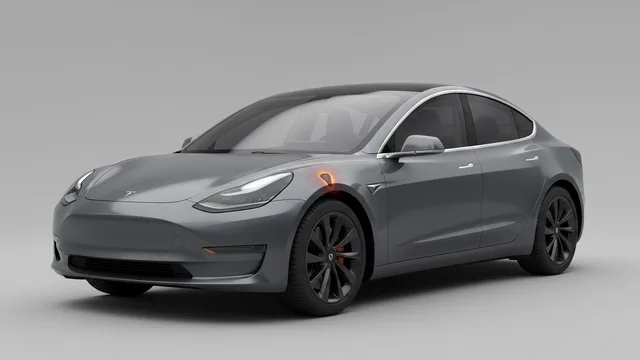
Tesla, Inc. (Tesla) is recalling certain 2024-2025 Model 3, Model S, 2023-2025 Model X, and Model Y vehicles. The computer circuit board may short, resulting in the loss of the rearview camera image. As such, these vehicles fail to comply with the requirements of Federal Motor Vehicle Safety Standard (FMVSS) number 111, "Rear Visibility."
Tesla, Inc. (Tesla) is recalling certain 2024 Cybertruck, 2017-2025 Model 3, and 2020-2025 Model Y vehicles. The tire pressure monitoring system (TPMS) warning light may not remain illuminated between drive cycles, failing to warn the driver of low tire pressure. As such, these vehicles fail to comply with the requirements of Federal Motor Vehicle Safety Standard number 138, "Tire Pressure Monitoring Systems."
Tesla, Inc. (Tesla) is recalling certain 2021-2024 Model 3, Model S, Model X, and 2020-2024 Model Y vehicles. The hood latch assembly may fail to detect an unlatched hood condition after the hood has been opened.
Tesla, Inc. (Tesla) is recalling one 2024 Model 3 vehicle. The driver seat side air bag module was assembled without a deflector that directs gas flow during deployment.

For 2024 Tesla Model 3 owners and prospective buyers, this detailed profile examines the vehicle's reliability based on official manufacturer service bulletins. Learn about potential issues like HV battery quality, misrouted wheel speed sensors, and rattling air vents.
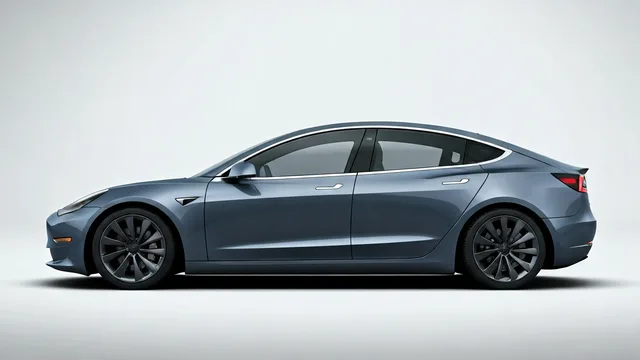
Tesla has issued Service Bulletin SB-25-16-001 for certain 2024 Model 3 and Model Y vehicles. This bulletin addresses high voltage (HV) batteries with cell modules that do not meet quality standards, potentially leading to a reduction in vehicle range. The recommended correction is a full HV…
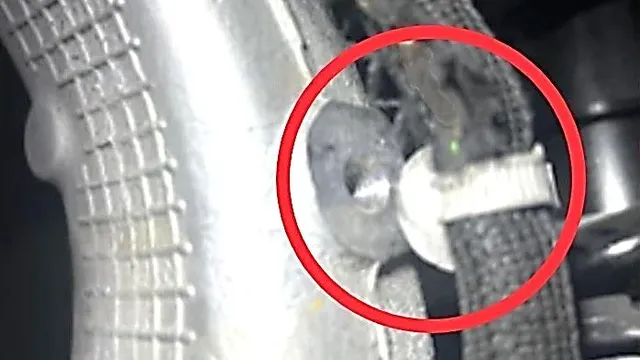
Tesla Service Bulletin SB-24-33-006 R1 addresses a condition in 2024 Model 3 vehicles where the RH front Wheel Speed Sensor (WSS) harness may be misrouted, potentially causing damage. This campaign bulletin outlines inspection and repair procedures for the WSS.
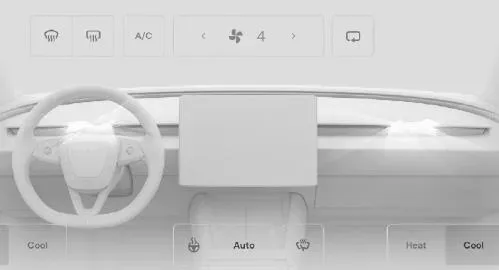
A rattling noise from the instrument panel air vents in some 2024 Tesla Model 3 vehicles is addressed by Service Bulletin SB-24-14-001 R1. This bulletin outlines diagnostic steps and replacement procedures for affected air vents.
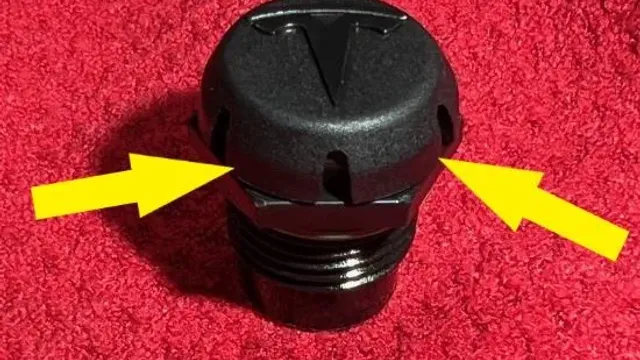
Tesla Service Bulletin SB-24-40-008 describes how to address minor oil loss from the Rear Drive Unit (RDU) breather in 2024 Model 3 Performance vehicles, often seen during high lateral acceleration maneuvers. The repair involves relocating the RDU breather and, if necessary, draining and refilling…
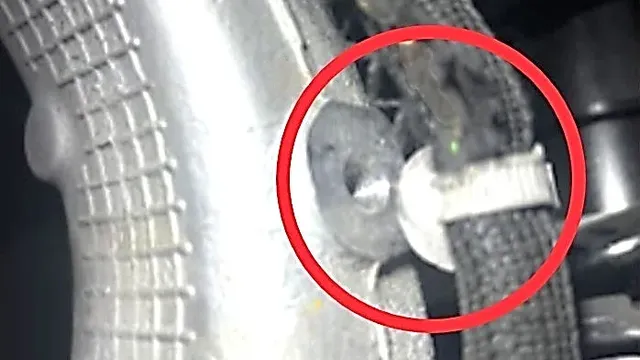
Tesla has issued Service Bulletin SB-24-33-006 for certain 2024 Model 3 vehicles regarding a potential misrouting of the RH front Wheel Speed Sensor (WSS) harness, which could lead to damage. This bulletin outlines inspection and repair procedures.
Tesla vehicles from 2021-2024, including the Model 3, S, X, and Y, feature an integrated digital owner's manual accessible via the touchscreen. This document (NHTSA ID 11008803) represents the complete content submitted to regulators, offering a comprehensive guide to your vehicle.
Tesla vehicles, including the 2024 Tesla Model 3, feature an integrated digital owner's manual accessible directly through the vehicle's touchscreen. This comprehensive guide dynamically displays content relevant to your specific vehicle configuration and software version, ensuring you always have…
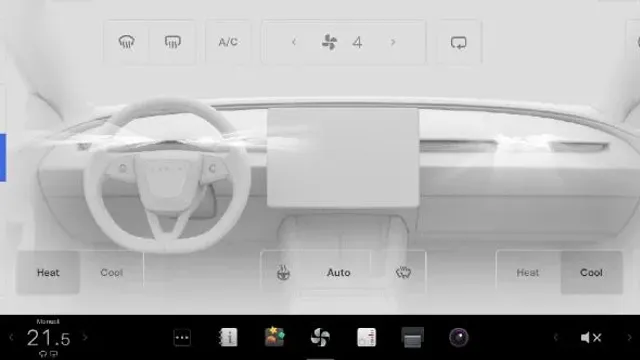
Tesla has issued Service Bulletin SB-24-14-001 to address a rattling noise from the instrument panel air vents in some 2024 Model 3 vehicles. This bulletin outlines diagnostic steps and the replacement procedure for the affected air vents.
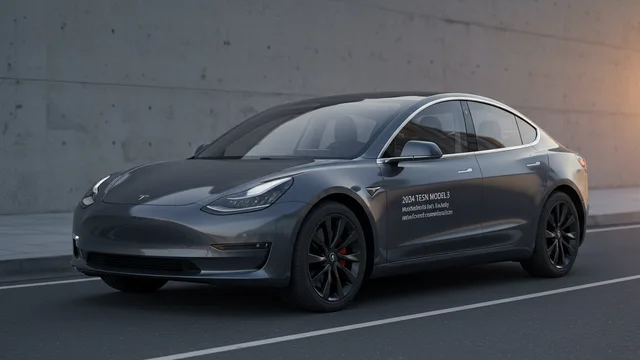
This guide provides an overview of the extensive owner's manual content available for 2021-2024 Tesla Model 3, Model S, Model X, Model Y, and Cybertruck vehicles. Unlike traditional printed manuals, Tesla integrates all relevant owner information directly into the vehicle's touchscreen…
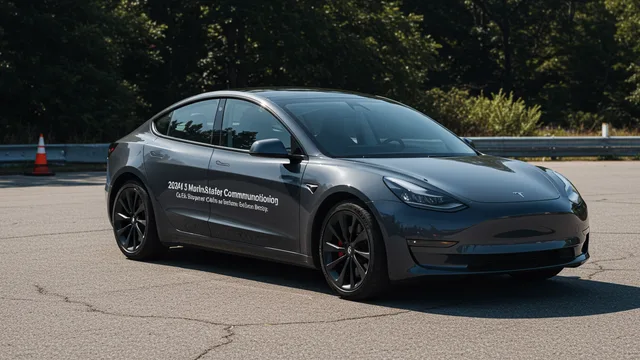
Tesla has moved away from physical owner's manuals, integrating all content directly into your vehicle's software. This ensures you always have the most relevant and up-to-date information for your specific Model 3, Y, S, X, or Cybertruck, displayed right on your touchscreen.
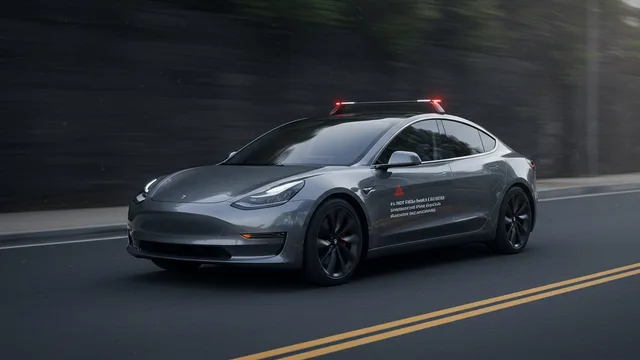
Tesla vehicles from 2021-2024, including the Model 3, Cybertruck, Model S, Model X, and Model Y, feature a digital owner's manual integrated directly into the vehicle's touchscreen. This manual dynamically displays content relevant to your specific configuration and software version.
On XXX at approximately 12:56 PM Pacific on [XXX], my 2024 Tesla Model 3 VIN [XXX] was operating in Full Self-Driving (Supervised). The system detected oncoming traffic, stopped, then reversed to yield and backed into a parked 2015 Ford Transit van that had an occupant inside. I am the registered owner. [XXX] was the driver. TeslaCam saved events at 12:56:33 and 12:56:43. There was little visible damage, no injuries logged, and no police report. Tesla's consumer privacy form does not accept a crash narrative. I requested a Vehicle Data Report / copy of my data on XXX. USAA/[XXX] claim XXX later assigned 100 percent fault to the Tesla driver for backing, treating this as a conventional reverse collision rather than an FSD commanded maneuver. I am reporting this as a safety defect in FSD (Supervised) because the vehicle reversed into a parked occupied vehicle while the feature was engaged. INFORMATION REDACTED PURSUANT TO THE FREEDOM OF INFORMATION ACT (FOIA), 5 U.S.C. 552(B)(6)
Muffled or significantly quieter horn during rain. Users on Reddit generally agree that the sound typically returns to normal once the area dries out. Why This Happens: Speaker Design: Newer models (such as recent Tesla Model 3 and Tesla Model Y versions) utilize electronic pedestrian warning speakers or integrated units for the horn function rather than traditional enclosed metal horns. I have an issue with my car where every time I wash it or drive it even in light rain, the horn is extremely muffled. So muffled that I was sounding it driving down my road with people out walking, and no one heard it. I took it to the service center and they basically said “we confirmed your complaint, it’ll work when it dries out”. My car now has two notations on file from two visits to service center. This is a very wide spread problem - hundreds of comments online. Google: Tesla horn rain.
No injuries · No fire · No crash
On June 16, 2026, while operating the "Autopilot" self-driving system, my vehicle autonomously activated the right turn signal to enter a parking space. Subsequently, the vehicle experienced an unexpected acceleration. Despite my immediate application of the brakes, the vehicle collided with a storefront window, resulting in property damage. My insurance provider covered all associated damages, including vehicle repairs. Immediately following the incident, I informed Tesla and requested access to the vehicle's electronic records, which were made available at a Tesla service center. Tesla is currently rescheduling my vehicle, acknowledging the severity of the self-driving system's malfunction. Concurrently, Tesla continues to charge me for the self-driving capability, despite having advised me to refrain from using it until all necessary vehicle tests have been completed. What further actions should I undertake, and how can the National Highway Traffic Safety Administration (NHTSA) provide assistance in this matter? Thank you.
Tesla’s replacement of physical steering column turn signal stalks with capacitive touch buttons on the steering wheel face creates an active safety hazard. First, the capacitive sensors frequently become entirely unresponsive. If a driver rests a finger near the buttons, the system triggers a timeout/lockout, rendering the signals non-functional for several seconds when pressed. They also fail to register inputs under normal pressure or when wearing gloves. Second, because the buttons rotate dynamically with the steering wheel, it is structurally impossible to signal by muscle memory during sharp or sequential maneuvers, like navigating roundabouts. To signal while the wheel is turning or when buttons fail to respond, the driver must repeatedly look away from the road to visually target the wheel. This defective layout causes delayed signaling, severe driver distraction, and elevates the risk of a collision.
No injuries · No fire · No crash
Date: XXX, Time: 5.09.2026 State: [XXX] Location: [XXX] We were on Full Self Service Driving Mode A [XXX] came and hit my car in the passenger side behind the front wheel and front buffer. We were on left/fast moving lane and two semi-trucks were in the right lanes slight ahead of us (one had overweight sign). Something came out of the direction of trucks and hit our car with a big sound (moving object). When we stopped and checked the car later, it was evident that the damage was a sizable, it would have been something solid or heavy. Our concern is the Tesla was on Full Self Driving Mode, and it did not generate any alert, recording or more importantly, it did not break, change the driving direction nor try to avoid being hit by the object. This diminishes the reliability of Tesla FSD and raises serious safety concerns. We are in the process of filling insurance claim. INFORMATION REDACTED PURSUANT TO THE FREEDOM OF INFORMATION ACT (FOIA), 5 U.S.C. 552(B)(6)
No injuries · No fire · No crash