SUSPENSION, FORWARD COLLISION AVOIDANCE: ADAPTIVE CRUISE CONTROL, ELECTRICAL SYSTEM
They swamped many parts from 1k tires swamped with bald tires, wheel covers switched, manager popped my window switches, blown suspension, main camera module swamped, das gone,
VISIBILITY/WIPER
Subject: Vehicle Safety Complaint – Tesla Cybertruck Unexpected Movement While Full Self-Driving Was Engaged** I am submitting this complaint regarding an accident involving my Tesla Cybertruck and the vehicle’s Full Self-Driving (FSD) system. On XXX at approximately 6:10 p.m. in [XXX], I was traveling westbound on [XXX]. I came to a complete stop at a red traffic signal at the intersection of [XXX] and [XXX]. Full Self-Driving was engaged and operating the vehicle at the time. After the Cybertruck had remained completely stopped at the red light for approximately 10–15 seconds, it suddenly began moving forward without any intentional acceleration or other input from me. The vehicle struck the vehicle stopped directly in front of it and then came to a stop. I am reporting this incident because the vehicle moved unexpectedly while FSD was engaged and the vehicle was already stopped at a red light. This behavior created a collision and may present a safety risk to occupants, pedestrians, and other road users. I have photographs of the vehicles and the accident scene. I am also preserving the relevant vehicle camera footage and other evidence associated with the incident. Tesla has been asked to document the event, review the vehicle’s logs, FSD data, and camera footage, and preserve all relevant information. I request that NHTSA investigate this incident and determine whether it may indicate a defect or safety issue involving Tesla’s FSD system, vehicle controls, or related software. I also intend to have the vehicle inspected by Tesla to identify any damage or safety-related issues resulting from the collision. Thank you INFORMATION REDACTED PURSUANT TO THE FREEDOM OF INFORMATION ACT (FOIA), 5 U.S.C. 552(B)(6)
SEATS
I own a 2025 Tesla Cybertruck AWD. The fixed lower rail beneath the front passenger seat has two exposed openings. On September 7, 2026, a metal key fell through one opening into an inaccessible enclosed area beneath the seat and floor structure. The key could not be seen or retrieved. While driving, I repeatedly heard it sliding as the vehicle accelerated, stopped and turned. I attempted to reach it by creating a hand-sized opening in the lower protective panel, damaging that panel, but I still could not locate the key. While parking in my garage, I suddenly heard the key drop into a deeper area instead of continuing to slide. The unexpected sound startled me and I immediately braked. During this abrupt reaction in the confined garage, the right exterior mirror struck the garage structure and was damaged. This presents a design and safety concern. Small everyday objects can fall through the exposed seat-rail openings into an inaccessible vehicle cavity, move unpredictably and distract the driver. There is no apparent cover, screen or plug, and no reasonable owner-accessible retrieval method. I request that Tesla explain the purpose of these openings and why they are unprotected; inspect the vehicle and confirm whether the key could affect wiring, seat components, the battery enclosure or other systems; remove the passenger seat and necessary trim to retrieve the key; repair the damaged lower panel; and repair or provide reimbursement or goodwill assistance for the damaged right mirror. Tesla should also protect the vehicle’s existing paint protection film during repair and escalate the openings to its engineering or product-safety team for a preventive solution. I can provide photographs of both openings, the damaged panel and mirror, and can provide my VIN privately.
SERVICE BRAKES, SUSPENSION
I am submitting this complaint regarding two serious safety-related failures with my Tesla Cybertruck: a braking-system malfunction and a rear suspension/subframe failure at approximately 12,500 miles. The vehicle previously experienced a significant braking problem that required repair by an authorized Tesla Service Center. The initial repair did not properly resolve the issue, requiring the vehicle to return for additional service. Because the problem involved the braking system, I was concerned about the vehicle's ability to stop safely and predictably, creating a risk of a serious collision. Tesla's service records should document the diagnosis, repairs, and any related fault codes. At approximately 12,500 miles, the vehicle experienced a major failure involving the rear suspension/subframe. The rear suspension separated/dropped in relation to the subframe, causing significant damage. Tesla inspected the vehicle and performed extensive repairs involving the rear subframe, including component/part number 1250562-00-E. This failure created a serious safety risk because the rear suspension/subframe affects vehicle stability, wheel positioning, handling, and control. If this failure had occurred while traveling at highway speed, it could have caused loss of control, a serious collision, injury, or death. Due to the condition of the vehicle, I had it towed rather than driving it. To my knowledge, there was no meaningful advance warning that a major suspension/subframe failure was about to occur. Tesla should have diagnostic logs, photographs, technician findings, repair records, and information concerning the failed components. I also have photographs and service documentation. Having experienced both a braking-system problem and a major suspension/subframe failure at low mileage has caused serious concerns regarding the safety of this vehicle. I am requesting that NHTSA investigate whether similar failures have occurred in other Cybertrucks.
WHEELS
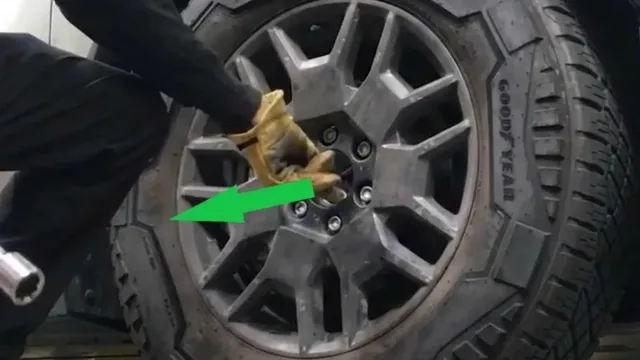
My 2025 Tesla AWD Cybertruck's rear driver 20" wheel came loose, creating a loud banging noise. The wheel nuts on 2 of the studs worked finger-loose, and one of the studs broke off the hub. The truck had 9000 miles on the odometer. Tesla's service dept blamed me for improperly rotating the tires, but I had never removed or replaced them.