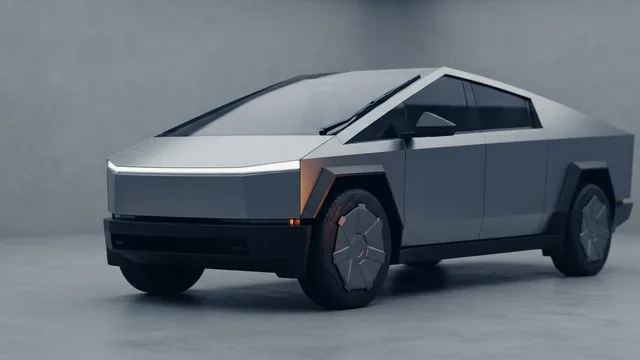
The 2025 Tesla Cybertruck currently has no reported recalls, owner complaints, or federal investigations. However, Tesla has issued several service bulletins addressing issues like halfshaft bolt grinding, door shaking, and illegible emission labels.
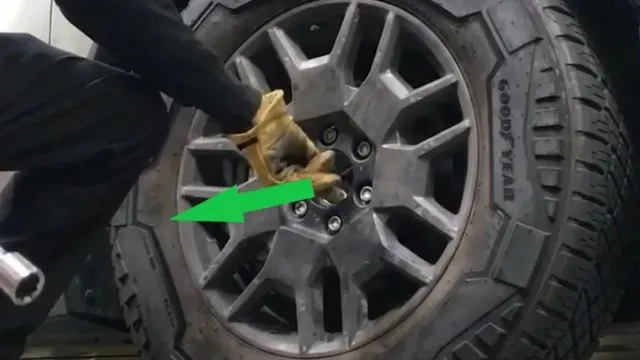
Tesla Cybertruck owners may experience a loud grinding noise due to loose halfshaft bolts. Tesla Service Bulletin SB-26-40-001 R1 outlines inspection and replacement procedures for these bolts, and potentially the hub and halfshaft, to resolve the issue.
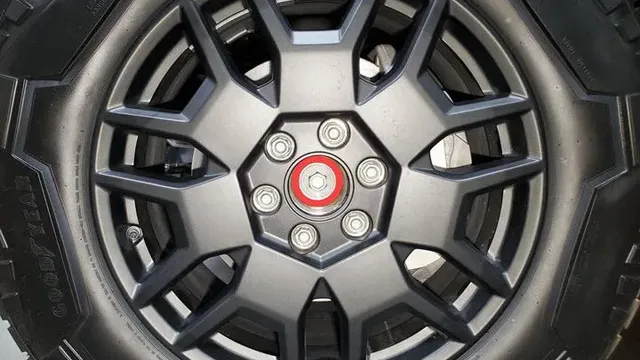
A Tesla Service Bulletin addresses a condition in 2024-2025 Cybertruck vehicles where halfshaft bolts may lose torque, leading to a loud grinding noise. The bulletin details the procedure to replace the bolts and perform a torque test.
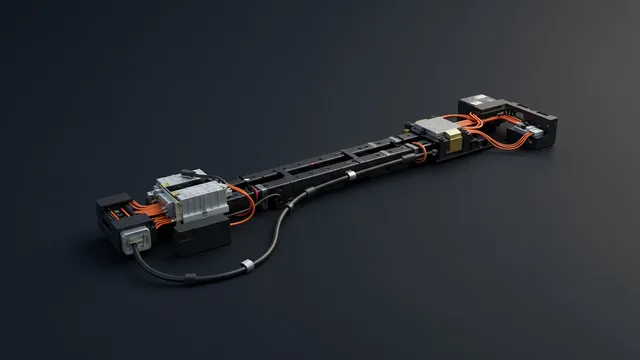
Tesla has identified a potential poor crimp connection in the AC junction box to fast charge contactor HV harness on certain 2024-2025 Cybertrucks. This issue can lead to increased resistance and localized heating. A new harness version is available for replacement during other procedures.
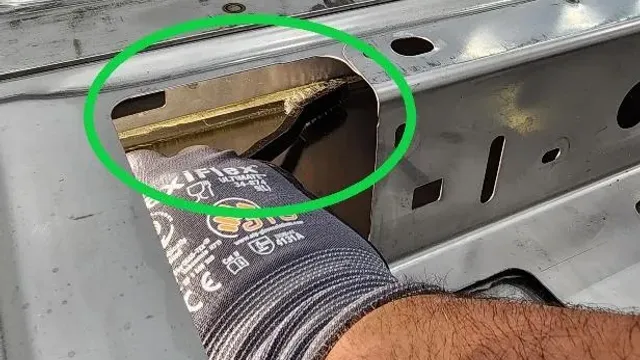
This Tesla Service Bulletin (SB-25-10-006) details a condition where adhesive in the Cybertruck's tailgate may delaminate, causing noise, vibration, and harshness (NVH). The bulletin outlines inspection, rework, or replacement procedures for affected tailgate assemblies.
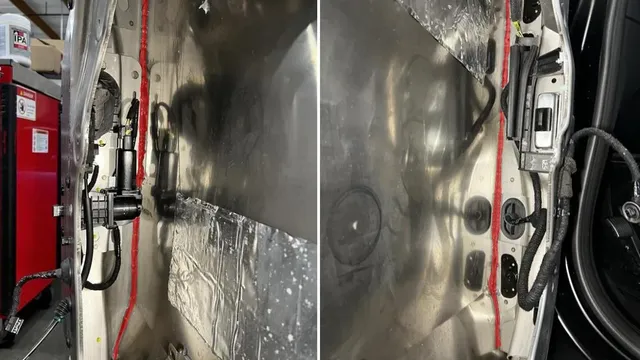
Tesla has issued Service Bulletin SB-25-10-002 for 2025 Cybertruck vehicles experiencing low-pitched booming, shaking, rattling, or vibrations from the door assemblies and LH side mirror at high speeds. The repair involves applying new adhesive to reinforcement brackets and installing butyl pads.
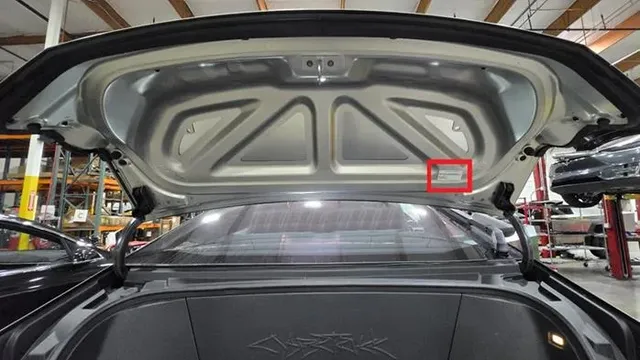
A service bulletin (SB-25-19-001) has been issued for the 2025 Tesla Cybertruck regarding Vehicle Emission Control Information labels that were printed with illegible text. This non-safety-related condition requires replacement of the label by a Tesla service center.
Tesla has released Service Bulletin SB-25-17-003 for the 2024 Cybertruck, addressing a condition where the left body controller's printed circuit board may be misaligned. This can lead to cracking and a 'graceful power-off event.' The bulletin outlines the procedure to replace the left body…
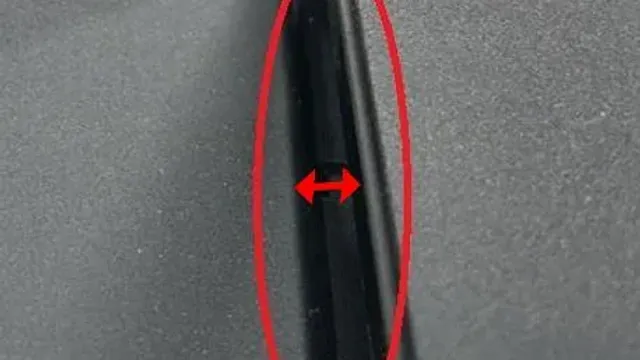
A Tesla Service Bulletin (SB-25-11-001) addresses reports of water entering the cargo bed of 2024-2025 Cybertruck vehicles. This can occur if the tonneau slat water management channel is exposed, requiring an inspection and potential installation of an additional slat.
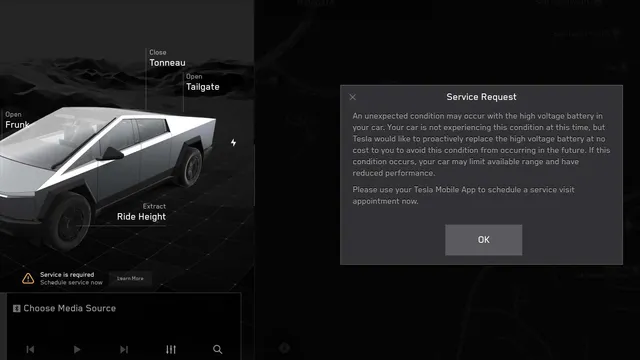
Tesla is offering a proactive, free replacement of the high voltage battery for certain 2024 Cybertruck vehicles to prevent future issues with range and performance.
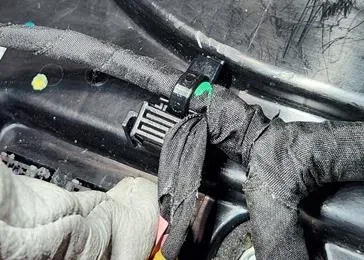
A Tesla Service Bulletin, SB-24-16-008, details an inspection and potential rework or replacement for the HV battery ancillary harness in 2024 Cybertruck vehicles. Improper routing could strain the harness, affecting communication between the High Voltage Controller (HVC) and Battery Management…
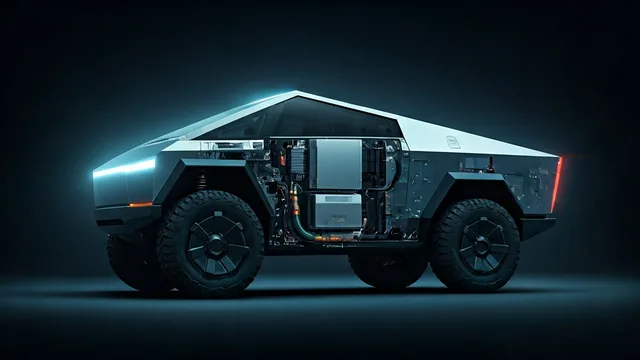
Tesla Service Bulletin SB-24-40-007 addresses a condition in certain 2024 Dual Motor Cybertrucks where the Rear Drive Unit (RDU) inverter does not meet specifications. This bulletin outlines the procedure for replacing the RDU inverter with an updated part to resolve the issue.
Tesla, Inc. (Tesla) is recalling certain 2024 Cybertruck vehicles equipped with a service-installed off-road light bar accessory. An incorrect surface primer may have been used to attach the lightbar to the windshield, causing the light bar to loosen and detach.
Tesla, Inc. (Tesla) is recalling certain 2024-2026 Cybertruck vehicles operating software prior to 2025.38.3. The vehicle controller software may cause the front parking lights to be too bright and exceed the maximum light output, adversely affecting the vision of other drivers. As such, these vehicles fail to comply with the requirements of Federal Motor Vehicle Safety Standard (FMVSS) number 108, "Lamps, Reflective Devices, and Associated Equipment."
Tesla, Inc. (Tesla) is recalling certain 2024-2025 Cybertruck vehicles. The light bar can delaminate and detach from the vehicle.
Tesla, Inc. (Tesla) is recalling certain 2024 Cybertruck, 2017-2025 Model 3, and 2020-2025 Model Y vehicles. The tire pressure monitoring system (TPMS) warning light may not remain illuminated between drive cycles, failing to warn the driver of low tire pressure. As such, these vehicles fail to comply with the requirements of Federal Motor Vehicle Safety Standard number 138, "Tire Pressure Monitoring Systems."
Tesla, Inc. (Tesla) is recalling certain 2024 Cybertruck vehicles. A fault in the drive inverter may cause a loss of drive power to the wheels.
I am submitting this complaint regarding two serious safety-related failures with my Tesla Cybertruck: a braking-system malfunction and a rear suspension/subframe failure at approximately 12,500 miles. The vehicle previously experienced a significant braking problem that required repair by an authorized Tesla Service Center. The initial repair did not properly resolve the issue, requiring the vehicle to return for additional service. Because the problem involved the braking system, I was concerned about the vehicle's ability to stop safely and predictably, creating a risk of a serious collision. Tesla's service records should document the diagnosis, repairs, and any related fault codes. At approximately 12,500 miles, the vehicle experienced a major failure involving the rear suspension/subframe. The rear suspension separated/dropped in relation to the subframe, causing significant damage. Tesla inspected the vehicle and performed extensive repairs involving the rear subframe, including component/part number 1250562-00-E. This failure created a serious safety risk because the rear suspension/subframe affects vehicle stability, wheel positioning, handling, and control. If this failure had occurred while traveling at highway speed, it could have caused loss of control, a serious collision, injury, or death. Due to the condition of the vehicle, I had it towed rather than driving it. To my knowledge, there was no meaningful advance warning that a major suspension/subframe failure was about to occur. Tesla should have diagnostic logs, photographs, technician findings, repair records, and information concerning the failed components. I also have photographs and service documentation. Having experienced both a braking-system problem and a major suspension/subframe failure at low mileage has caused serious concerns regarding the safety of this vehicle. I am requesting that NHTSA investigate whether similar failures have occurred in other Cybertrucks.
No injuries · No fire · No crash
Lane Departure Avoidance is jerking the vehicle aggressively back into the lane and is creating a serious safety concern. I have already scheduled maintenance with Tesla regarding this issue, but I was told that there was nothing they could do about it. The issue occurs when driving in a lane and needing to move over quickly or make an immediate lane adjustment. If the turn signal is not activated, the vehicle will aggressively steer/jerk itself back toward the original lane. This can be dangerous because the system is essentially fighting the driver’s steering input at a moment when the driver may need to move out of the lane to avoid a hazard, merge, or reposition the vehicle. Lane Departure Avoidance should assist and warn the driver, not override the driver’s steering input to the point that the vehicle aggressively forces itself back into the lane. At minimum, the system should be adjustable to provide a vibration, warning, or chime rather than making such a strong steering correction. The current behavior makes it feel like the vehicle cannot safely exit a lane without activating the turn signal, even when the driver is intentionally and safely controlling the vehicle. This needs to be investigated and corrected because the steering intervention itself can create a hazardous situation rather than prevent one.
No injuries · No fire · No crash
On XXX at approximately 5:15 AM, I was driving my 2024 Tesla Cybertruck (VIN [XXX], ~47,300 miles) on an interstate trip to [XXX] with Full Self-Driving (Supervised) engaged. I heard a loud pop from the front of the vehicle, immediately followed by an alert stating the left front turn signal was malfunctioning and that I needed to take over control. FSD disengaged and I was forced to manually drive in pre-dawn darkness with a failed turn signal until the next charging stop. The fault then behaved intermittently: it cleared on its own, returned, cleared again, and I resumed FSD for much of the trip. Then, with roughly 100 miles remaining, the left turn signal malfunction warning returned while the vehicle was actively driving itself, again forcing manual takeover and leaving me without a functioning left turn signal in traffic. This is a serious safety defect on multiple levels: (1) A failed turn signal prevents me from lawfully and safely signaling lane changes and turns to other drivers. (2) The failure occurred WHILE the automated driving system was operating and depends on functional signaling to execute its own lane changes — yet the system had been driving with a component that failed audibly and without warning. (3) The intermittent nature means the vehicle can re-enter a hazardous state at any time, without warning, at highway speed. (4) I cannot get a service appointment immediately, so I must continue operating a vehicle with an unrepairable intermittent signal failure, exposing me to citations and collision risk. This vehicle has an extensive repair history including body panel adhesion defects related to Tesla’s 2025 cant rail recall, and this electrical failure continues a pattern of defects across multiple systems. No warning preceded the pop. The failure is reproducible in the sense that it has recurred three times in one day. Service records and buyback correspondence with Tesla are available on request. INFORMATION REDACTED PURSUANT TO THE FREEDOM OF INFORMATION ACT (FOIA), 5 U.S.C. 552(B)(6)
No injuries · No fire · No crash
The PCS (Power Conversion System) failed on my Cybertruck as it has on thousands of other trucks. It's an issue for me because the nearest supercharger station where I can charge is 45 miles away. I have to budget my daily driving so I don't run out of charge before reaching the supercharger. If I run out of charge, the truck will be inoperable until the service center can fix the vehicle. Right now the service appointment is 24 days from now.
No injuries · No fire · No crash
PCS2 Failure alerts on the screen left the vehicle unable to charge at any level except supercharge. The vehicle can be stranded due to unavailibility of supercharges and inability to charge at any Level 1 or level 2 chrgers.
No injuries · No fire · No crash