ENGINE, POWER TRAIN
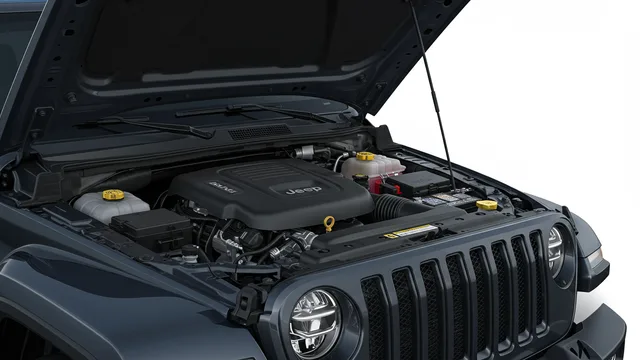
For the 4th time the motor seems to die while driving down the road with no warning. Charging warnings pop up and the car does not start. Has been to dealership multiple times and never gets fixed. Chrysler told to me sue them. I don’t have the money to sue them and the cars is in drivable. Been in the dealership many times with me being left without a car for months. They won’t take it back and I still have 6 months of payments.
ELECTRICAL SYSTEM, ENGINE AND ENGINE COOLING
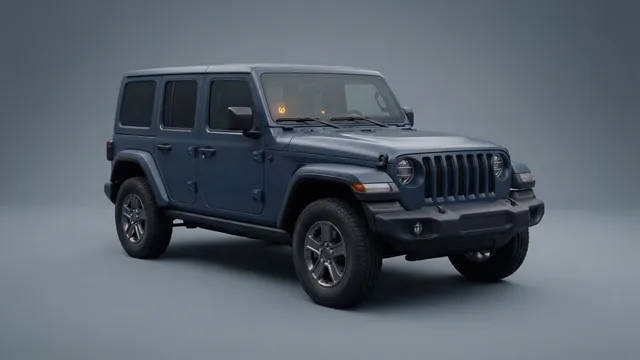
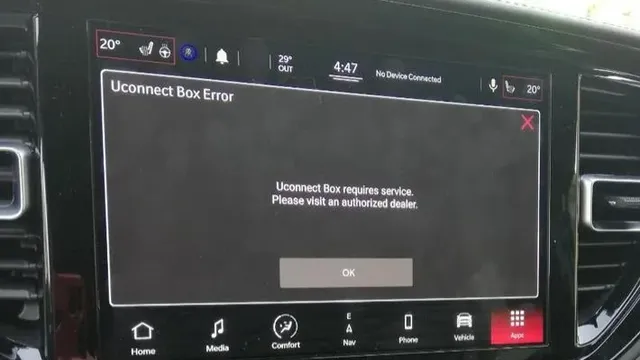
The contact owns a 2025 Jeep Wrangler. The contact stated that while driving, the center display screen intermittently froze and became inoperative. The HVAC system was inoperative in cold weather, there were intermittent abnormal sounds, the Hybrid Mode intermittently deactivated, and intermittently stalled. The check engine warning light was illuminated and the message "Service Charging System" and several other unknown messages were displayed. The vehicle was taken to a dealer to be diagnosed; however, the cause of the failure was not yet determined. The failure mileage was approximately 300.
VISIBILITY/WIPER
Both the driver-side and passenger-side door window glass spontaneously shattered due to severe internal structural stress originating from the side-view mirror mounting brackets and window frame assembly. The passenger-side window completely failed while rolled down and housed entirely inside the steel door cavity, confirming that external impact or outside influence was physically impossible. This sudden structural failure creates a severe safety hazard, posing a risk of sudden distraction, glass fragmentation, and loss of visibility while operating the vehicle. The servicing dealer and manufacturer (Stellantis Case #98256295) were notified, but improperly refused warranty coverage and declined to perform a physical teardown of the door panels to inspect the internal mechanical binding. No warning lamps preceded the failure, and the damaged components are available for inspection upon request.
ELECTRICAL SYSTEM, FUEL/PROPULSION SYSTEM, POWER TRAIN
I am reporting a recurring loss/reduction of expected electric propulsion in my 2025 Jeep Wrangler Willys 4xe after FCA Safety Recall 68C / NHTSA 25V-741 was completed. Before 68C, I routinely drove my normal route, including sustained uphill/high-load portions, in Electric mode for the full trip to/from & expending the full battery capacity. After the recall software update, electric propulsion frequently is sluggish with no acceleration. additional accelerator input does not immediately produce the expected increase in propulsion, and the vehicle then transitions to Hybrid operation with abrupt/jerky gasoline-engine engagement. After this occurs, it does not return to Electric mode until I stop, then intermittent electric. This is not simply reduced EV range. It is a loss/reduction of available electric propulsion followed by delayed gasoline-engine torque substitution, creating unpredictable acceleration during hills, merging, passing, and other situations where immediate propulsion may be safety-critical. My post-68C symptoms are materially similar to other NHTSA complaints involving Wrangler 4xe vehicles, including 11747685, 11765613, 11767648, 11768376, and 11768812. Those reports describe staged electric-power reduction, approximately 43–45 kW available output in one case, 10–15 seconds of deteriorating propulsion despite accelerator demand, Electric Mode Temporarily Unavailable, delayed ICE engagement, abrupt high-RPM engine operation, and similar behavior despite substantial battery state of charge. I am not asserting my vehicle has been independently measured at 43–45 kW or that a fixed 10-second timer exists. I am reporting a substantially similar post-68C operating pattern. I request NHTSA investigate whether the 68C BPCM/HCP/AHCP/powertrain calibration can reduce allowable HV-battery discharge and delay gasoline-engine torque substitution, and whether this condition is related to Wrangler 4xe loss-of-motive-power issues evaluated under ODI RQ24012.
UNKNOWN OR OTHER, ELECTRICAL SYSTEM, ENGINE
My complaint with Jeep/Stellantis goes far beyond dissatisfaction with a buyback amount. My family leased a new 2025 Jeep Wrangler expecting a safe vehicle, and instead we have been placed in a worse position after dealing with serious recall and safety concerns. FCA has agreed to repurchase our vehicle, yet the process requires us to continue maintaining and driving a vehicle we no longer feel safe using while waiting weeks for the repurchase to be completed. A potential vehicle-fire condition is not a cosmetic defect or minor inconvenience—it is a legitimate safety concern involving the driver, passengers, surrounding vehicles, homes, and property. My three primary concerns are: **(1) Safety:** Jeep has vehicles in customers' possession subject to serious safety recalls involving potential fire hazards, yet customers may still be left waiting for repairs or resolution. **(2) Remedy:** Even after FCA agreed to repurchase our Wrangler, the proposed financial resolution leaves us in a worse financial position and without sufficient funds to reasonably transition into a replacement vehicle. We were offered substantial compensation to keep the vehicle, but keeping a vehicle we are concerned could present a fire risk is not a reasonable solution for our family. **(3) Process:** Once a manufacturer acknowledges a serious safety issue and agrees to repurchase a vehicle, there should be an expedited process to remove that vehicle from the customer and provide a fair resolution—not weeks of additional payments, paperwork, uncertainty, and continued possession of the affected vehicle. What concerns me most is that this is bigger than our individual case. Safety recalls involving potential vehicle fires can have serious consequences, and manufacturers should treat them accordingly. Customers should not have to choose between continuing to drive a vehicle they do not feel safe in or accepting a resolution that puts them in a worse financial position. Jeep/Stellantis needs to