2022-2026 Audi Parking Aid False Warnings TSB 2024323/13
Audi has released Technical Service Bulletin 2024323/13 to address customer complaints of false parking aid warnings. This bulletin details various environmental and vehicle-specific conditions that can cause the parking aid system to issue alerts even when no obstacles are present. It provides…
 Marcus Weber2022 Audi e-tron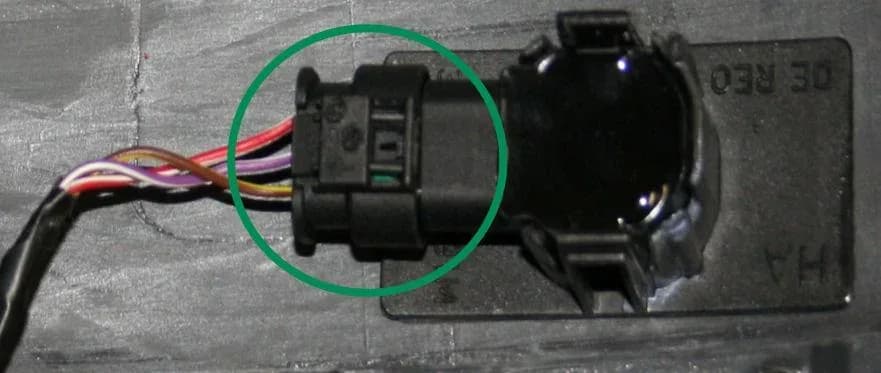
S'applique également à
- Audi A3
- 2022–2026
- Audi A4
- 2021–2025
- Audi A4 allroad
- 2021–2025
- Audi A5
- 2021, 2022, 2023, 2024, 2026
- Audi A6
- 2021–2026
- Audi A6 allroad
- 2021–2026
- Audi A7
- 2021–2025
- Audi A7 e
- 2021–2022
- Audi A8 L e
- 2021
- Audi e-tron
- 2021, 2023
- Audi e-tron GT
- 2022–2025
- Audi e-tron Sportback
- 2021–2022
- Audi Q3
- 2021–2025
- Audi Q5
- 2021–2026
- Audi Q5 e
- 2021, 2023, 2024, 2025
- Audi Q7
- 2021–2026
- Audi Q8
- 2021–2026
- Audi R8
- 2021–2023
- Audi RS 3
- 2022–2026
- Audi RS 5
- 2021–2024
- Audi RS 6 Avant
- 2021–2026
- Audi RS 7
- 2021–2026
- Audi RS e-tron GT
- 2022–2026
- Audi RS Q8
- 2021–2026
- Audi S e-tron GT
- 2026
- Audi S3
- 2022–2026
- Audi S4
- 2021–2025
- Audi S5
- 2021, 2022, 2023, 2024, 2026
- Audi S6
- 2021–2025
- Audi S7
- 2021–2025
- Audi S8
- 2021–2026
- Audi SQ5
- 2021–2026
- Audi SQ7
- 2021–2026
- Audi SQ8
- 2021–2026
- Audi TT
- 2021–2023
- Audi TT RS
- 2021–2022
- Audi TTS
- 2021–2023
▸ Afficher 31 de plus▾ Afficher moins
Symptoms
Owners of 2022-2026 Audi vehicles may experience their parking aid system issuing warnings even when no obstacles are present. The primary complaint is that the "Parking aid does not work / warning is issued although there is no obstacle." This can lead to confusion and distrust in the system's reliability.
Diagnosis / Trigger Conditions
Audi Technical Service Bulletin 2024323/13 identifies numerous environmental and vehicle-related factors that can contribute to false parking aid activations. Technicians are advised to question the customer about these conditions before performing any repairs.
Environmental Conditions
False warnings can be triggered by:
- Plants and Curbs: Growing plants or curbs of certain heights in the vehicle's vicinity.
- Road Surfaces: Gravel tracks, cobblestones, potholes, cattle grids, sharp bends, and slopes.
- Weather Conditions: Water on the parking aid sensors (which widens the radiation pattern), ice or snow on the sensors or bumper, and vehicle exhaust gases or water vapor (which alters air properties affecting ultrasound transmission).
- Noise Disturbances: External ultrasound sources like pneumatic brakes on heavy goods vehicles, anti-rodent devices, or other parking aid systems.
Immediate Surroundings
Specific elements in the immediate environment can also cause issues:
- Fluorescent tubes.
- Induction loops at traffic lights and car park barriers.
- Ramps or driveways.
Vehicle-Specific Factors
Issues related to the vehicle itself include:
- License Plate Installation: Protruding plate carriers, use of advertising carriers, incorrect license plate size, or plates that are not flat or secured correctly.
- Add-on Parts/Modifications: Non-Audi genuine accessories such as trailer hitches, lowered ride height, spoilers, bumpers, sound generators, or anti-rodent devices.
- Previous Damage: Any prior damage or new paint applied to the vehicle.
Repair Procedure Summary
Technicians should perform a series of checks, both without and with removal work, and with or without a diagnostic tester, to identify the root cause of the Audi e-tron parking aid false warnings.
Checks Without Removal Work (No Diagnostic Tester)
- External Sensor Check: Inspect parking aid sensors for dirt, ice, foreign objects, damage to the bumper or underbody, stone chipping, or scratches. Dirty sensors must be cleaned. Stone chipping and scratches are not covered under warranty. (Refer to Figure 3 for examples of stone chips causing sensor failure).
- Sensor Seating: Confirm that parking aid senders are securely seated by applying pressure. (Refer to Figure 4 for a pressure check).
- Decoupling Ring: Verify the decoupling ring is seated correctly, checking for bulging (Figure 6) or folding (Figure 7) compared to a correctly seated ring (Figure 5).
- Sensor Centering and Evenness: Ensure the parking aid sender is centered (Figure 8 vs. Figure 9) and that the decoupling ring encloses the sensor evenly.
- Sensor Flushness: Check that the sensor is fitted flush with the bumper (Figure 10 vs. Figure 11).
Checks Without Removal Work (With Diagnostic Tester)
- Fault Memory: Check the vehicle's fault memory. If a diagnostic trouble code (DTC) is stored for a parking aid sender, swap the affected sender. If the DTC does not re-log, replacement is not necessary.
- Obstacle Warning Analysis: If the customer reports warnings without obstacles, observe oscillation time and distance evaluation in measured value blocks. Decouple the sensor with a foam element that absorbs ultrasound. If the warning stops, check for reflective objects. If the warning persists, replace the sensor.
- Control Unit Coding: Verify the coding in the parking aid control unit, especially if a towing bracket has been retrofitted.
- Part Number Verification: Compare the part number read out with the diagnostic tester against the parts catalog.
Checks With Removal Work (With Diagnostic Tester)
- Connection Integrity: Inspect connections at sensors, coupling points on the bumper, the parking aid control unit, and the sound generator for corrosion, water ingress, bent or pushed-back pins, and correct seating of connector and pin seals.
- Wiring Harness: Check the bumper harness wires for damage, crushing, and sufficient length (Figure 12 vs. Figure 13).
- Connector Seating: Ensure connectors at the parking aid sender and coupling point are correctly seated (Figure 14 vs. Figure 15).
- Sensor Bracket: Inspect the sensor bracket in the bumper for damage, deformation, secure attachment, correct alignment, and dirt.
- Sensor Inspection: Re-check the sensors for damage, deformation, secure attachment, correct alignment, dirt, and correct part number according to the parts catalog.
Painting Parking Aid Sensors
When replacing sensors, special painting instructions must be followed as outlined in the Paintwork manual. The painting area should range from 2-3mm to 8mm from the outside surface to the rear, ensuring the housing itself is not painted (Figure 16 vs. Figure 17).
Required Tools or Parts
If a repair is necessary, the following causal parts and their associated service and damage codes are identified:
- Parking aid sensor: Service Number 9175, Damage Code 0040
- Parking aid control unit: Service Number 9174, Damage Code 0040
- Wiring harness: Service Number 9759, Damage Code 0040
Important Warnings
This Technical Service Bulletin (TSB) 2024323/13 is intended for warranty claims using the applicable service number and damage code. If your vehicle is outside of its warranty period, this TSB serves as informational guidance only. Audi of America, Inc. is not notifying consumers directly about this bulletin. Owners should be aware that all part and service references are subject to change.
Additional information regarding "Parking aid incorrect warnings" can be found in the Audi Knowledge Tank videos: SoST_0012 (causes on the vehicle) and SoST_0016 (external influences).
Source: NHTSA ID: 11030985
Galerie
9 images
Frequently Asked Questions
- What does Audi TSB 2024323/13 address?
- Audi TSB 2024323/13 addresses customer complaints regarding false parking aid warnings in 2022-2026 Audi vehicles, where the system issues alerts even when no obstacles are present.
- What are common causes for Audi e-tron parking aid false warnings?
- False warnings can be caused by environmental factors like plants, curbs, specific road surfaces, weather conditions (water, ice, snow), external noise, or vehicle-specific issues such as improper license plate installation, non-genuine add-on parts, or previous damage affecting the sensors.
- Are specific DTC codes mentioned for the parking aid false warnings?
- While the TSB mentions that a diagnostic trouble code (DTC) might be stored for a parking aid sender, it does not list specific DTC codes (e.g., Pxxxx, Bxxxx) that would appear. The focus is on diagnosing the root cause through visual inspections and functional checks.
- Is the repair for false parking aid warnings covered under warranty?
- The TSB indicates that repairs performed under this bulletin are eligible for warranty claims using specific service and damage codes (e.g., 9175, 0040). If your vehicle is outside of its warranty period, the bulletin serves as informational guidance.
- What should I do if my Audi e-tron parking aid gives false warnings?
- If your Audi e-tron parking aid false warnings persist, it is recommended to have your vehicle inspected by an authorized Audi service center. They can perform the diagnostic steps outlined in TSB 2024323/13 to identify and resolve the issue.
Related Articles
2022 Audi e-tron Problems: Electrical System & Braking Concerns
The 2022 Audi e-tron has faced significant owner complaints regarding its electrical system, including sudden power loss and charging hazards, as well as various braking malfunctions. This profile details these issues and relevant service bulletins.
2022-2026 Audi Guided Fault Finding Reporting Obligation
Audi has issued Technical Service Bulletin TPI 2033392, also known as Transaction No. 2081531/1, regarding a reporting obligation for technicians when Guided Fault Finding produces an unexpected result. This TSB outlines the process for contacting Audi Product Support for diagnostic assistance.
2022-2026 Audi Infotainment System Complaints
Audi has released Technical Service Bulletin (TSB) 2081405/1 to address various customer complaints regarding infotainment systems in 2022-2026 Audi vehicles. This TSB helps technicians diagnose issues often caused by external media or mobile devices, rather than vehicle technology.
2018-2026 Audi Models Cracking Noise TSB 2061464/11
Audi Technical Service Bulletin 2061464/11 describes a cracking noise from the front or rear axle when changing direction in various 2018-2026 Audi models. The issue is due to stub axle movement and is resolved by bonding the stub axle to the wheel bearing with locking fluid.
2007-2026 Audi MMI Infotainment System Complaints TSB
Audi has released Technical Service Bulletin 2081405/1 to address common infotainment system complaints, including MMI freezing, slow startup, and navigation issues. This TSB highlights that external devices and media are often the root cause, not vehicle technology.
Leave a comment
Comments are moderated and may take a moment to appear. Only your first name and the initial of your last name are shown publicly.
Comments
Be the first to comment.