2021-2026 Audi Vehicles Speaker Rattles TSB 91 24 16
Audi has issued Technical Service Bulletin 91 24 16 (superseding 23-94) to address customer complaints of speaker rattles, vibrations, or audio interference in various models from 2021 to 2026. This TSB outlines diagnosis and repair steps.
 Sarah Mitchell2021 Audi e-tron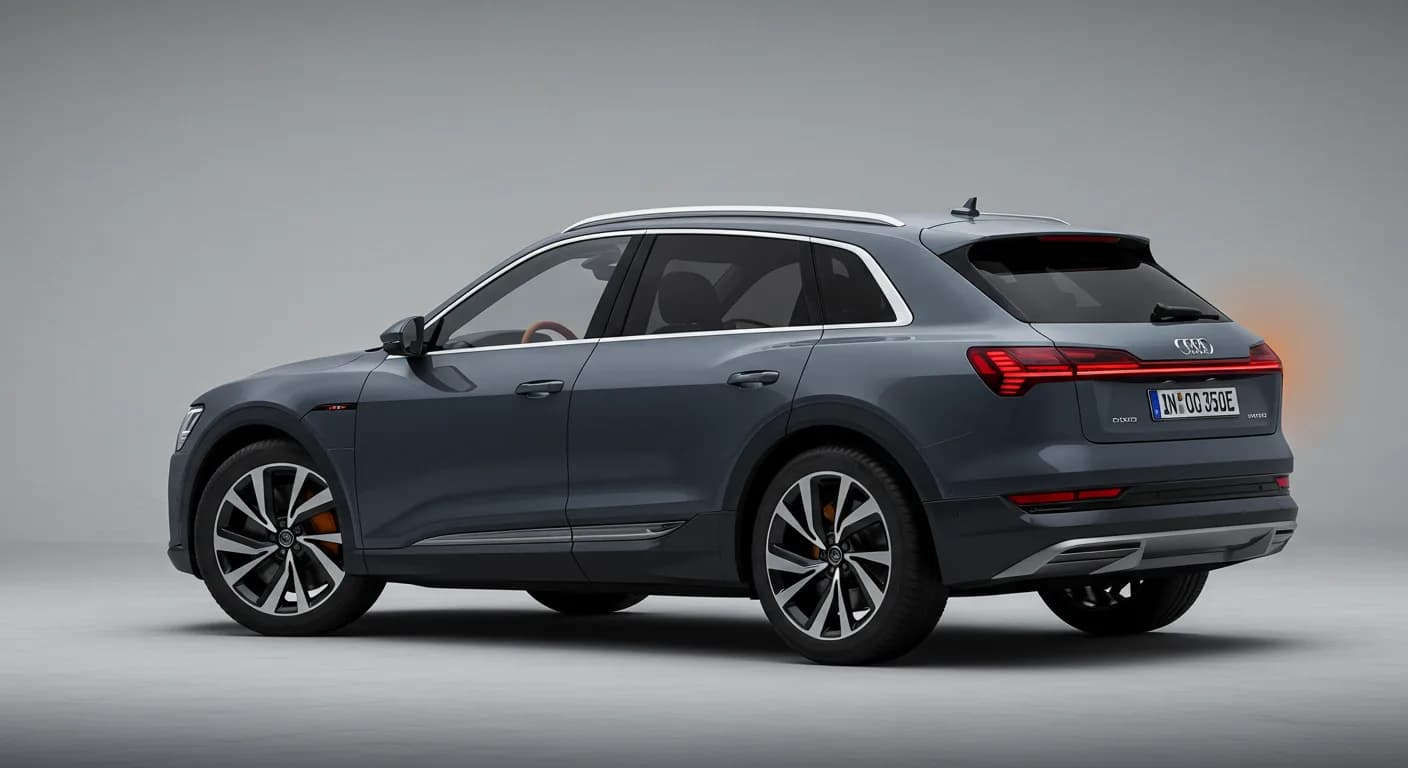
S'applique également à
- Audi A3
- 2022–2025
- Audi A4
- 2021–2025
- Audi A4 allroad
- 2021–2025
- Audi A5
- 2021–2025
- Audi A6
- 2021–2025
- Audi A6 allroad
- 2021–2025
- Audi A7
- 2021–2025
- Audi A7 e
- 2021–2022
- Audi A8 L e
- 2021
- Audi e-tron
- 2022–2023
- Audi e-tron GT
- 2022–2025
- Audi e-tron Sportback
- 2021–2022
- Audi Q3
- 2021–2025
- Audi Q5
- 2021–2025
- Audi Q5 e
- 2021, 2023, 2024, 2025
- Audi Q7
- 2021–2025
- Audi Q8
- 2021–2025
- Audi R8
- 2021–2023
- Audi RS 3
- 2022–2025
- Audi RS 5
- 2021–2025
- Audi RS 6 Avant
- 2021–2025
- Audi RS 7
- 2021–2025
- Audi RS e-tron GT
- 2022–2024
- Audi RS Q8
- 2021–2025
- Audi S e-tron GT
- 2026
- Audi S3
- 2022–2025
- Audi S4
- 2021–2025
- Audi S5
- 2021–2025
- Audi S6
- 2021–2025
- Audi S7
- 2021–2025
- Audi S8
- 2021–2025
- Audi SQ5
- 2021–2025
- Audi SQ7
- 2021–2025
- Audi SQ8
- 2021–2025
- Audi TT
- 2021–2023
- Audi TT RS
- 2021–2022
- Audi TTS
- 2021–2023
▸ Afficher 31 de plus▾ Afficher moins
Symptoms
Owners of 2021-2026 Audi vehicles may notice various types of sound interference or mechanical noises coming from one or more speakers. These symptoms include:
- A cracking noise
- A grinding noise
- A rattling sound
- A humming sound
- A whining sound
- Other similar interference or noises
If you are experiencing an Audi e-tron speaker rattles issue, this TSB provides a comprehensive guide for diagnosis and repair.
Important Warnings for Owners
Audi has issued several critical advisories regarding the diagnosis and repair of speaker-related noise complaints:
- Do not replace parts unnecessarily: "Parts must not be replaced without a good reason as stated in this TSB. Such claims may be debited." This prevents owners from being charged for parts that are not the root cause of the problem.
- Difficulty in noise localization: "It is not always possible to localize the exact source of the noise directly. Vehicle components can transmit noises from other areas into the passenger compartment, which can make it difficult to localize the source of a noise correctly. Please always check around the speakers, as well as the speakers themselves." This is especially true for "complaints regarding noises while on a phone call."
- Default tone settings: Before diagnosis, ensure the audio system is set to default tone settings. "If the customer uses individual tone settings, please reset them to their default value."
- Speaker replacement criteria: "If no unexpected noise can be heard, the speaker must not be replaced." Speakers should only be replaced if they are definitively identified as the source of the noise after thorough testing.
- Claiming labor for trim: When replacing trim components to eliminate rattling, "Do not claim on the service number of the speaker!" Instead, use the service number of the specific casual component that was replaced.
Diagnosis and Repair Procedure
Technical Service Bulletin 91 24 16 (2018187/14), which supersedes TSB 23-94, outlines a detailed, step-by-step process for diagnosing and resolving speaker rattles, vibrations, or audio interference. The customer complaint must be reproducible repeatedly for effective diagnosis.
- Preparation: Remove any loose items from storage compartments in the doors, glove box, dash panel, and around the hat-shelf. These items can often be mistaken for speaker noises.
- Reassess the Complaint: Check if the noise is caused by a speaker cover. Apply pressure to the speaker cover; if the noise disappears, remove the cover and retest. If the complaint doesn't reoccur, reinstall the cover correctly, using felt or similar material to quiet it if necessary. If the cover is damaged, replace it and claim labor using the speaker cover's service number.
- Check Speaker Bolt Tightness: Inspect and attempt to tighten all bolts on the affected speaker. If tightening resolves the noise, claim the labor using the loudspeaker's service number and specify damage type SA018 "loose."
- Inspect for Foreign Objects: Check the speaker for any foreign objects or debris (FOD) and remove them if found.
- Dismount Speaker Test: Remove the speaker from the vehicle and perform a sound test while holding the speaker magnet by hand, with the membrane facing upwards. Check for visible damage on the speaker membrane or foam bead.
- Interior Component Check: If the noise persists after speaker checks, inspect the vehicle's interior for loose bolts, trim pieces, fluttering labels, or wires that could be vibrating in resonance. Secure or replace any damaged components. When replacing trim, claim labor using the service number of the casual component, not the speaker.
- Speaker Reinstallation: If the complaint could not be reproduced with the speaker removed, reinstall it, ensuring it is seated centrally and flush. Test again to see if the noise returns, which might indicate the speaker was under tension.
- Speaker Swapping: To confirm a speaker fault, swap the suspected faulty speaker with the opposite side speaker (e.g., left front with right front). If the noise moves with the speaker, the speaker must be replaced. If the noise remains in the original location, further diagnosis is needed, focusing on the amplifier or main unit.
This systematic approach helps pinpoint the exact cause of the Audi e-tron speaker rattles or other audio issues.
Warranty Information and Service Numbers
When claiming labor for the elimination of rattling noises on trim parts under warranty, technicians must use the service number corresponding to the specific trim piece that was addressed, along with an appropriate damage type for the location and cause of the complaint. Examples of service numbers include:
- 5811 - Door handle
- 5817 - Door lock
- 5819 - Cable
- 5867 - Lock cylinder
- 7014 - Loudspeaker cover
- 7018 - Dash panel
- 7022 - Dash panel cover
- 7058 - Trim strip for dash panel
- 7059 - Door trim (front)
- 7073 - Door trim (rear)
- 6815 - Glove box
- 7030 - Luggage compartment cover
- 9732 - Wiring harness for door
- 9733 - Wiring harness for central locking system
- 9740 - Wiring harness for steering column
- 9774 - Wiring harness for dash panel
Source: NHTSA ID 11002912, Audi Technical Service Bulletin 91 24 16 2018187/14, June 12, 2024.
Frequently Asked Questions
- What kind of speaker noises does Audi TSB 91 24 16 address?
- Audi Technical Service Bulletin 91 24 16 addresses various speaker-related noises including cracking, grinding, rattling, humming, whining, or other similar audio interference coming from one or more speakers in affected Audi vehicles.
- How can I tell if the speaker noise in my Audi e-tron is actually from the speaker?
- The TSB advises checking for loose items in storage compartments and around the speakers first. Technicians will also check if applying pressure to the speaker cover stops the noise, or if swapping the speaker to another location moves the complaint. This helps determine if the issue is truly a speaker fault or related to surrounding trim.
- Will my Audi speaker be replaced immediately if it's making noise?
- No, the TSB emphasizes a thorough diagnostic process. Speakers will only be replaced if testing definitively confirms they are the source of the noise. If no unexpected noise can be heard after dismounting and testing, the speaker must not be replaced, as per the TSB guidelines.
- What is damage type SA018 'loose' mentioned in the TSB?
- Damage type SA018 'loose' is a specific code used by Audi for warranty claims when a speaker's noise complaint is resolved by simply tightening loose bolts on the loudspeaker. This indicates that the speaker itself was not faulty, but rather its mounting was loose.
Related Articles
2021 Audi e-tron Electrical Malfunction and Power Loss
A 2021 Audi e-tron owner reported a severe 'Electrical Malfunction' resulting in complete loss of power on the highway. The issue has persisted despite dealer attempts to fix it over five months, posing significant safety risks.
2021-2026 Audi UTR Troubleshooting & FAQs TSB 2081409/1
This Audi Technical Service Bulletin (TSB 2081409/1) provides comprehensive answers to frequently asked questions and troubleshooting steps for the Audi Universal Traffic Recorder (UTR) accessory, covering topics like SD card compatibility, video playback, Wi-Fi issues, and more.
2021-2025 Audi Emergency Call System Fault TSB
Audi has released Technical Service Bulletin 2059528/18 to address an "Emergency call function: malfunction! Function unavailable. Please contact service" warning, often accompanied by a red SOS LED and DTC B200000. This issue affects various 2021-2025 Audi models and is due to a software problem…
2021-2026 Audi Adaptive Light System Fault C12B3FA TSB
Audi has released Technical Service Bulletin 2054202/7 to address an intermittent 'Audi adaptive light: system fault' message and DTC C12B3FA in various 2021-2026 models. This TSB outlines diagnosis and resolution for driver assistance system malfunctions.
2021-2026 Audi Parking Aid False Warnings TSB 2024323/12
This Technical Service Bulletin (TSB 2024323/12) details diagnostic and repair procedures for 2021-2026 Audi vehicles experiencing false parking aid warnings. Learn about environmental factors, sensor checks, and proper installation to resolve issues like 'Parking aid does not work / warning is…
Leave a comment
Comments are moderated and may take a moment to appear. Only your first name and the initial of your last name are shown publicly.
Comments
Be the first to comment.