2010-2023 Audi Steering Wheel Leather Damage TSB
Audi Technical Service Bulletin 2028220/9 addresses steering wheel leather damage on 2010-2023 Audi vehicles, stating that damage caused by external impact is not covered by the manufacturer's warranty.
 David Chen2023 Audi e-tron
S'applique également à
- Audi A3
- 2022
- Audi A4
- 2021–2023
- Audi A5
- 2021–2023
- Audi A6
- 2021–2023
- Audi A6 allroad
- 2021
- Audi A7
- 2021–2023
- Audi A7 e
- 2021–2022
- Audi A8 L e
- 2021
- Audi e-tron
- 2021–2022
- Audi Q3
- 2021–2022
- Audi Q5
- 2021
- Audi Q7
- 2021–2023
- Audi Q8
- 2021–2023
- Audi R8
- 2021–2022
- Audi RS 3
- 2022
- Audi RS 5
- 2021–2023
- Audi RS 6 Avant
- 2021–2023
- Audi RS 7
- 2021–2023
- Audi RS Q8
- 2021–2023
- Audi S3
- 2022
- Audi S4
- 2021–2023
- Audi S5
- 2021–2023
- Audi S6
- 2021–2023
- Audi S7
- 2021–2023
- Audi S8
- 2021–2023
- Audi SQ5
- 2021–2023
- Audi SQ7
- 2021–2022
- Audi SQ8
- 2021–2023
- Audi TT
- 2021–2022
- Audi TT RS
- 2021–2022
- Audi TTS
- 2021–2022
▸ Afficher 25 de plus▾ Afficher moins
Audi Technical Service Bulletin (TSB) 2028220/9, issued on August 25, 2021, addresses instances of Audi steering wheel damage related to the leather finish. This bulletin, which supersedes previous TSB 19-79 from July 12, 2019, provides important information for owners of 2010-2023 Audi vehicles regarding the cause and warranty coverage of such damage.
Recognizing Steering Wheel Damage
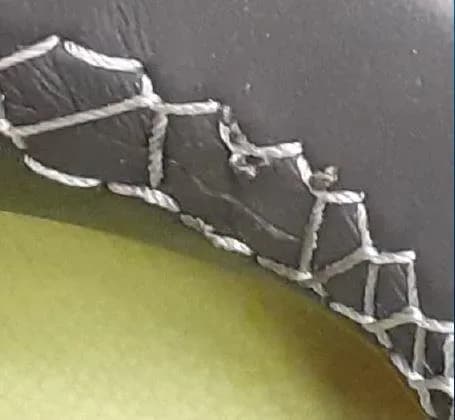
Owners may observe various forms of cosmetic damage to their steering wheel's leather surface. The TSB describes this as "Steering wheel appearance damaged due to external impact." Figures 1 through 6 in the bulletin showcase various manifestations of this damage, including localized abrasions, indentations, scuffs, and even minor tears or peeling of the leather material. These images clearly depict wear patterns consistent with external contact rather than material failure.
Understanding the Cause of Damage
According to Audi, this type of Audi steering wheel damage is typically caused by "external impact." This means the damage is not due to a defect in the material or workmanship of the steering wheel itself. Common sources of external impact include contact with fingernails, rings, watches, zippers, or other accessories that can rub against or press into the leather during normal use. Numerous investigations have confirmed that these issues stem from external influences rather than manufacturing faults, indicating "no fault in material or workmanship."
Important Warnings for Owners
This TSB delivers a crucial message for Audi owners: "This damage is due to outside influence and is not covered by any Audi Warranty." This means that if your 2010-2023 Audi experiences steering wheel leather damage from external impact, the cost of repair or replacement will not be covered by your vehicle's factory warranty. Owners should be aware that dealers will not perform repairs under warranty for this specific type of damage.
TSB Revision and History
TSB 2028220/9 is the latest revision concerning this issue, superseding Technical Service Bulletin Group 48 number 19-79, which was dated July 12, 2019. The revision history details the updates made to the bulletin over time:
- Revision 9 (August 25, 2021): The header was revised to include updated model years, and the Technical Background section was updated with additional photos to better illustrate the types of damage.
- Revision 8 (July 12, 2019): The header was revised to include updated model years.
- Revision 7 (November 1, 2018): The header was revised to include updated model years.
This continuous revision highlights Audi's consistent stance on the non-warrantable nature of external Audi steering wheel damage.
No Repair Procedure or Production Solution
Because the damage is attributed to external influence rather than a manufacturing defect, the TSB explicitly states "Production Solution: Not applicable" and "Service: Not applicable." This means Audi has not issued a specific repair procedure or a production change to address this condition under warranty. Owners seeking to rectify such cosmetic damage would need to explore out-of-warranty repair options or replacement at their own expense.
Source: NHTSA ID 10200703
Galerie
4 images
Frequently Asked Questions
- Is steering wheel leather damage covered by my Audi warranty?
- No, Audi Technical Service Bulletin 2028220/9 explicitly states that "This damage is due to outside influence and is not covered by any Audi Warranty." Damage from external impact is considered normal wear and tear or owner-induced, not a manufacturing defect.
- What causes Audi steering wheel leather damage not covered by warranty?
- The TSB identifies "external impact" as the cause. This includes contact with items like fingernails, rings, watches, or zippers, which can scratch, scuff, or indent the leather surface during regular use.
- What should I do if my Audi's steering wheel leather is damaged?
- Since this type of damage is not covered under warranty according to TSB 2028220/9, you would be responsible for any repair costs. You can consult with an Audi dealership or an automotive upholstery specialist for repair options.
- Does this TSB apply to all Audi models?
- The TSB itself states "all vehicles" and covers model years 2010-2023. This broad scope means that various Audi models, including A, S, RS, Q, and e-tron series vehicles, could exhibit this type of steering wheel damage.
Related Articles
2023 Audi e-tron Problems: Recalls, Complaints & TSBs
The 2023 Audi e-tron has faced several significant safety concerns, including recalls for potential charging cable overheating and brake pedal detachment. Owners have also reported serious issues like sudden unintended acceleration and electrical system malfunctions. This profile details these…
2023 Audi e-tron Brake Pedal Recall
Audi has issued a recall (NHTSA ID: 26V240000, Audi Recall 46P7) for certain 2019-2024 E-Tron and 2020-2024 E-Tron Sportback vehicles, including the 2023 Audi e-tron. The recall addresses a potential issue where the brake pedal may detach from the brake booster, leading to a loss of brake function.
2015-2027 Audi Noise Diagnosis with Frequency Analysis App TSB
Audi has released Technical Service Bulletin 2051095/11 detailing the Audi Frequency Analysis app. This app helps technicians diagnose noise complaints more precisely across 2015-2027 Audi models. Learn how the app works, where to download it, and its features for effective vehicle noise analysis.
2023 Audi e-tron AC/DC Charging Not Possible TSB
This manufacturer communication (NHTSA ID 11031035) provides critical information for 2023 Audi e-tron owners facing issues with AC/DC charging. It specifically highlights problems linked to software version 00C6: 0093/3119, which can prevent the vehicle from charging.
2023-2025 Audi Rear Seat Reminder Message TSB 2074943/2
Audi Technical Service Bulletin 2074943/2 explains the instrument cluster message 'Please check rear seats and be aware of door safelock' in various 2023-2025 Audi models. This informational TSB details the rear occupant detection system designed to prevent children and pets from being left in…
Leave a comment
Comments are moderated and may take a moment to appear. Only your first name and the initial of your last name are shown publicly.
Comments
Be the first to comment.