BMW Details X5 Sustainability Efforts for 2026 Model
BMW has announced its comprehensive sustainability strategy for the new BMW X5, aiming to significantly reduce its carbon footprint. This includes using recycled materials, renewable energy in production, and optimizing vehicle efficiency throughout its lifecycle.

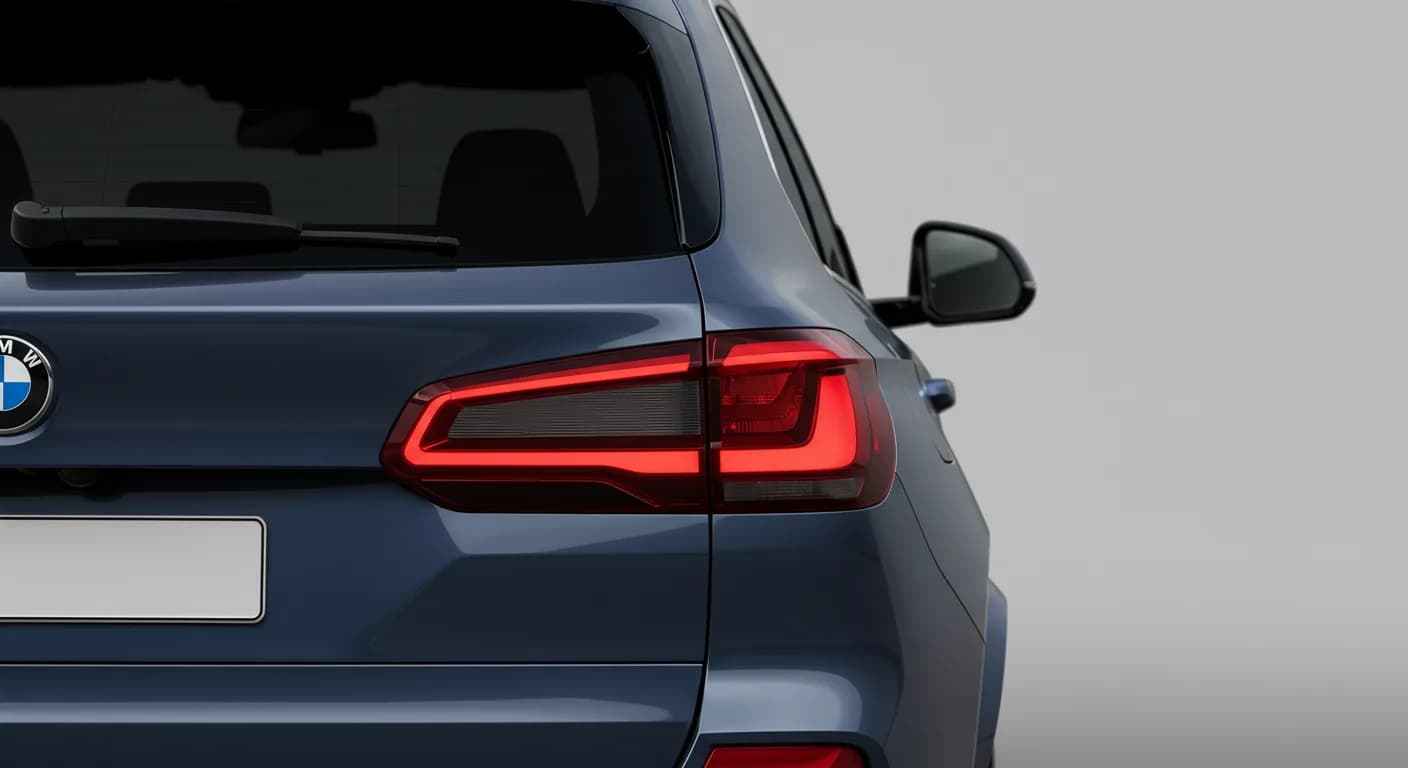
BMW has announced a comprehensive sustainability strategy for the new BMW X5, extending its efforts across all drivetrain variants of the vehicle. This initiative aims to minimize the carbon footprint throughout the X5's entire lifecycle, from the supply chain and manufacturing to the vehicle's operational use and eventual recycling. During the product development phase, the BMW X5 sustainability approach has already led to an approximate 40 percent reduction in CO2e emissions. This reduction is a preliminary forecast, with final figures to be published before production begins.
Sustainable Materials and Supply Chain
Targeted decarbonization within the supply chain is a key component of the BMW X5 sustainability efforts. This includes a focus on renewable energy and increased use of secondary materials. For instance, approximately 50 percent of the flat steel used in the BMW X5 body is electric arc furnace (EAF) steel, which incorporates a high proportion of secondary material and is produced using renewable energy. This high share of CO2e-reduced flat steel is a result of long-term collaborations with local North American suppliers.
The new BMW X5 also features a significant proportion of secondary raw materials in heavy-duty components. Aluminum suspension parts, such as wheel rims, swivel bearings, wheel supports, rear axle supports, and brake calipers, are manufactured using renewable energy for both electrolysis and production. The aluminum used in the doors of the new BMW X5 contains 35 percent recycled and closed-loop material sourced from BMW Spartanburg's press shop. Furthermore, the headliner fabric's base material is made from 100 percent recycled PET. In the battery-electric BMW iX5 60 xDrive, secondary raw materials constitute about one-third of the total vehicle weight, equating to 940 kilograms.
Advanced Battery Technology and Efficiency
The Gen6 battery cells, utilized in the BMW iX5's high-voltage battery, incorporate a substantial amount of secondary materials in their cobalt, lithium, and nickel content. Renewable energy is also employed during the production of anode and cathode materials, as well as in the cell manufacturing process itself. Compared to the Gen5 cells used in the BMW iX, these Gen6 cells achieve an approximate 28 percent reduction in CO2e emissions per watt-hour.
During the use phase, the BMW Group's EfficientDynamics technology package optimizes vehicle efficiency across various subsystems. This includes advancements in aerodynamics, lightweight construction, low rolling resistance wheels and tires, and overall energy management. The fully electric BMW iX5 also integrates the
Leave a comment
Comments are moderated and may take a moment to appear. Only your first name and the initial of your last name are shown publicly.
Comments
Be the first to comment.