2021-2022 BMW PHEV Battery Cell Balancing Issue TSB
BMW has identified an issue with high-voltage battery cell balancing in certain 2021-2022 Plug-In Hybrid Electric (PHEV) vehicles. This Voluntary Service Action addresses potential performance loss, reduced range, or operating failure due to cell module abnormalities. Owners should be aware of…
 David Chen2022 BMW X5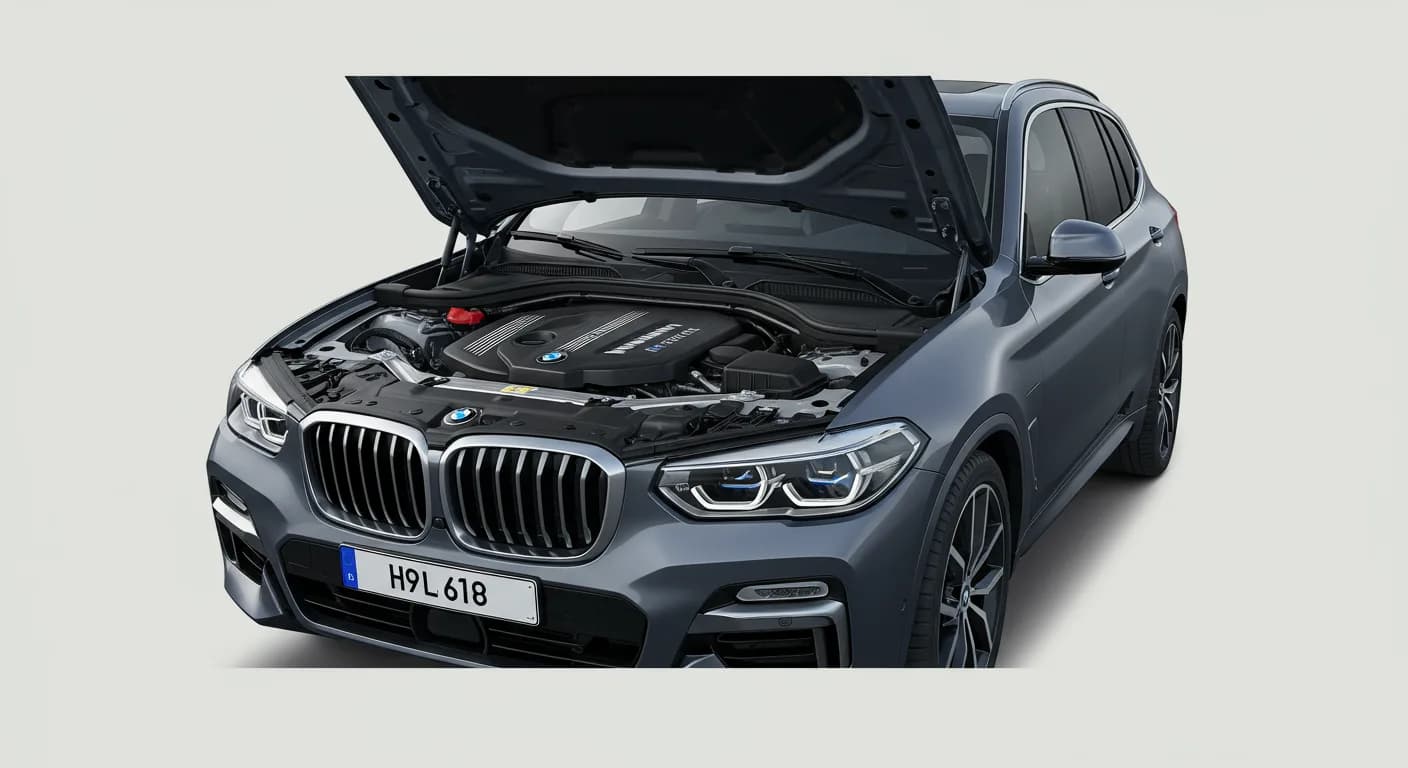
También aplica a
- BMW 330e
- 2021–2022
- BMW 330i
- 2021–2022
- BMW 530e
- 2021
- BMW 530i
- 2021–2022
- BMW 540i
- 2021
- BMW 740i
- 2021
- BMW M340i
- 2021–2022
- BMW M5
- 2022
- BMW M550i
- 2021
- BMW M760i
- 2021
- BMW X5
- 2021
▸ Mostrar 5 más▾ Mostrar menos
Understanding the BMW PHEV Battery Issue
BMW AG is conducting a Voluntary Service Action for certain 2021-2022 Plug-In Hybrid Electric (PHEV) vehicles. This action addresses an issue with the high-voltage battery system. Specifically, analyses of transmitted teleservice data have indicated abnormalities in the "balancing" of the cells within one or more of the high-voltage battery cell modules. This issue is relevant to the 2022 BMW X5 manufacturer_communication.
Why This Matters for Owners
These cell balancing abnormalities could lead to a loss of performance in the affected battery modules. Owners might experience symptoms such as faster battery aging, a shorter electric driving range, or even a possible operating failure of the high-voltage battery system. Addressing this issue promptly helps maintain the expected performance and longevity of your PHEV.
Symptoms and Potential Consequences
The primary issue identified is "abnormalities in the balancing of the cells within one or more of the high-voltage battery cell modules." While no specific dashboard warnings are mentioned, owners might notice:
- Loss of performance from the high-voltage battery modules.
- Faster aging of the battery.
- Shorter electric driving range than expected.
- Possible operating failure of the high-voltage battery system.
These symptoms are critical for the overall functionality of your PHEV, including the 2022 BMW X5 manufacturer_communication.
Manufacturer's Remedy
BMW is addressing this issue through a Voluntary Service Action. While the specific repair procedure is not detailed in the summary, such actions typically involve a software update or, in some cases, a component replacement to correct the cell balancing. Owners will not incur any cost for this service.
What Owners Should Do
If you own one of the affected 2021-2022 BMW PHEV models, it is recommended to contact your authorized BMW dealer. They can determine if your specific vehicle requires this service action and schedule the necessary repair. This is an important step to ensure the optimal performance and longevity of your vehicle's high-voltage battery system, especially for the 2022 BMW X5 manufacturer_communication.
Source: NHTSA ID 10214983
Frequently Asked Questions
- What is the problem with BMW PHEV batteries?
- BMW has identified abnormalities in the balancing of high-voltage battery cells within one or more modules in certain Plug-In Hybrid Electric (PHEV) vehicles. This can lead to reduced performance and range.
- Which BMW models are affected by the battery balancing issue?
- This Voluntary Service Action affects various 2021-2022 BMW PHEV models, including the BMW X5, 330e, and 530e, that were produced between March 25, 2019, and October 17, 2020.
- What are the potential consequences of this battery issue?
- Owners might experience a loss of performance from the high-voltage battery, faster battery aging, a shorter electric driving range, or a possible operating failure of the high-voltage battery system.
- What should I do if my BMW PHEV is affected by the 2022 BMW X5 manufacturer_communication?
- If you own an affected 2021-2022 BMW PHEV, you should contact your authorized BMW dealer. They can confirm if your vehicle requires this Voluntary Service Action and arrange for the necessary repair, which will be performed at no cost to you.
Related Articles
2022 BMW Front Axle Grease Buildup SIB 31 01 22
This BMW Service Information Bulletin SIB 31 01 22 clarifies that grease buildup on front axle CV boots is often normal. It provides guidelines for when a CV boot or axle half-shaft replacement is truly necessary for 2022 BMW X-series and 2 Series Gran Coupe models.
2021-2023 BMW X5, X6, X7 Knee Airbag Warning TSB
BMW has released Service Information Bulletin SIB 65 27 24 to address a common issue in 2021-2023 X5, X6, and X7 models where chafing wiring can cause a knee airbag fault and trigger a red airbag warning light. This bulletin outlines the repair procedure to prevent future damage.
2022-2024 BMW Valvetronic Emissions Recall 24E-A02
BMW's Voluntary Emissions Recall 24E-A02 addresses a DME calibration error affecting Valvetronic systems in certain 2022-2024 X5, X6, X7, XM, and 7 Series vehicles. The recall, documented in SIB 12 02 24, involves a software update to correct the issue.
2022-2025 BMW Emissions Recall: Program Control Units
BMW has announced Emissions Recall 25E-A02, identified as Service Information Bulletin SIB 12 04 25, for certain 2022-2025 models. A software error causes permanent storage of fault memories, requiring control unit reprogramming to comply with emissions regulations.
2022-2023 BMW Delivery Stop: Integrated Braking System
BMW has issued Service Information Bulletin SIB 34 04 25, a delivery stop for certain 2022-2023 models. This action addresses a data input error causing permanent storage of fault memories in the integrated braking system control unit, which is resolved by a software update.
Leave a comment
Comments are moderated and may take a moment to appear. Only your first name and the initial of your last name are shown publicly.
Comments
Be the first to comment.