2021 Audi A6 / RS 6 Avant Rear Lid Water Ingress TSB
Owners of 2021 Audi A6 and RS 6 Avant models may experience water ingress and sloshing sounds from the rear lid. Technical Service Bulletin 2060265/1 outlines the diagnostic and repair procedure for this issue, often caused by flawed seam sealer.
 Sarah Mitchell2021 Audi A6
También aplica a
- Audi RS 6 Avant
- 2021
Owners of certain 2021 Audi A6 and RS 6 Avant vehicles may notice water accumulating within the rear lid structure, leading to audible sloshing sounds and potential water leakage into the vehicle. This condition, identified in Audi Technical Service Bulletin 55 20 48 2060265/1, stems from manufacturing imperfections in the seam sealer.
Symptoms
The primary indicators of this issue are related to water accumulation within the rear lid. Owners may experience the following:
- "When the rear lid is opened, water can be heard sloshing from the bottom of the rear lid shell to the top of the rear lid shell."
- "Water may run into the rear lid hinges and into the vehicle."
Workshop investigations confirm the presence of water inside the rear lid shell, though the exact entry point can be difficult to pinpoint without a detailed inspection.
Diagnosis and Trigger Conditions
The root cause of the water ingress is often a flaw in the seam sealer used to join panels in the rear lid structure. These small openings allow water to enter the rear lid shell. To diagnose this, technicians perform a leak test:
- The rear lid trim is removed to gain visual and physical access to the rear lid structure.
- A solution of dish detergent and water is mixed and sprayed onto specific areas of the rear lid.
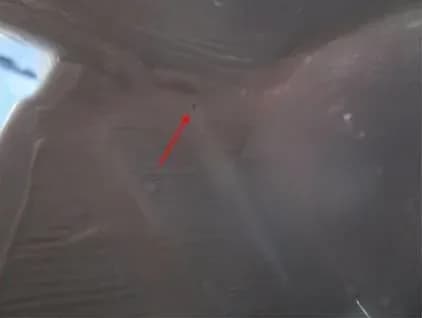
- Compressed air is then blown from inside the rear lid structure. The formation of bubbles indicates a seam sealer flaw, revealing the point of water entry.
Potential flaw locations include areas behind the tail lamps, along the side of the rear lid structure, and near the rear lid trim mounting points. Even very small holes or gaps can permit significant water ingress, leading to the Audi A6 sloshing water symptom.
Repair Procedure Summary
The repair procedure outlined in TSB 55 20 48 2060265/1 involves identifying and sealing the entry points. The steps vary slightly depending on whether the flaw is in a concealed or visible area:
- Preparation: Remove the rear lid trim to access the internal structure. Perform the leak test as described above to locate all seam sealer flaws.
- Concealed Area Repair: For flaws in hidden areas, such as behind a tail lamp, technicians apply D 511 500 A2 1k adhesive sealant to the openings using a brush. Concurrently, D 330 KD2 A1 cavity preservative is applied to the corresponding area on the inside of the rear lid shell using a brush. It is crucial to ensure the application area is thoroughly clean and allow the sealant to cure as instructed. Any painted surfaces that are touched up must be done so carefully.
- Visible Area Repair: If the seam sealer flaw is in a visible area, the vehicle must be sent to a bodyshop for repair, as finish paintwork will be necessary after the sealing process.
- Rear Lid Trim Replacement (If necessary): If the rear lid exterior trim itself is found to be the cause of the sealing issue, it must be replaced.
This procedure aims to permanently resolve the Audi A6 sloshing water problem by sealing all water entry points.
Required Tools or Parts
Technicians will use specific materials for this repair:
- D 511 500 A2: 1k adhesive sealant, used for sealing flaws.
- D 330 KD2 A1: Cavity preservative, applied to the inside of the rear lid shell.
- 4K5853927: Trim strip for tailgate, if the rear lid exterior trim is determined to be the source of the leak and requires replacement.
- Fasteners, Bolts, Nuts, and Screws: As needed, per the repair manual, to reassemble the rear lid trim.
Warranty Information
This repair is covered under Audi's warranty program. The claim types are:
- Type 110: For vehicles up to 48 months or 50,000 miles.
- Type G10: For Certified Pre-Owned (CPO) vehicles, requiring owner verification.
The service number associated with this bulletin is 5559, and the damage code is 0050. Labor operations include removing and installing rear lid trim (7092 1900), taillight lens removal/reinstallation (9434 1900 or 9434 2000), rear trunk trim molding removal/reinstallation (6647 1902), applying sealant (5559 9999), and paint application for concealed (5101 7941) or visible areas (5101 9999, 5101 7501). Warranty claims must adhere to the Audi Warranty Policies and Procedures Manual. Important: If your vehicle is outside of any applicable warranty, this Technical Service Bulletin is for informational purposes only, and the repair costs may not be covered.
What Owners Should Know
If you hear Audi A6 sloshing water sounds or notice water leaking from your rear lid, it is recommended to have your vehicle inspected by an authorized Audi service center. They can perform the diagnostic leak test outlined in TSB 55 20 48 2060265/1 to identify and repair the seam sealer flaws.
Source: NHTSA ID: 10178441
Galería
9 imágenes
Frequently Asked Questions
- What does TSB 55 20 48 2060265/1 address?
- TSB 55 20 48 2060265/1 addresses water ingress into the rear lid structure of 2021 Audi A6 and RS 6 Avant vehicles, which can cause sloshing sounds and potential leaks into the vehicle.
- What are the symptoms of water ingress in the Audi A6 rear lid?
- The main symptoms are hearing "When the rear lid is opened, water can be heard sloshing from the bottom of the rear lid shell to the top of the rear lid shell" and observing "Water may run into the rear lid hinges and into the vehicle."
- How is the water ingress issue diagnosed and repaired?
- Diagnosis involves a leak test using a soap and water solution and compressed air to identify seam sealer flaws. Repair includes applying specific adhesive sealants and cavity preservatives to the flawed areas, with bodyshop work required for visible flaws.
- Is the repair for the Audi A6 sloshing water covered under warranty?
- Yes, the repair is covered under Audi's warranty for vehicles within 48 months/50,000 miles (Type 110) or Certified Pre-Owned vehicles (Type G10). If your vehicle is outside these warranty conditions, the TSB serves as informational guidance only.
Related Articles
Is the 2021 Audi A6 Reliable? Recalls & TSBs
The 2021 Audi A6 has faced six safety recalls, primarily related to electrical systems, rearview camera functionality, and rear axle components. Owners should also be aware of numerous Technical Service Bulletins (TSBs) addressing potential issues like engine stalling, transmission noises, and…
2021 Audi A6/A7/S6/S7 Engine Coolant Service Action 19P9 Closure
Audi has issued a closure notice for Service Action 19P9, related to engine coolant concentration, affecting 2021 Audi A6, A7, S6, and S7 models. This notice sets deadlines for dealers to submit claims for completed work.
2021-2025 Audi A4, A6, Q5 Drive Belt Noise TSB 2061461/15
Audi Technical Service Bulletin 2061461/15 addresses grinding, squeaking, or tweeting noises from the starter/generator drive belt, or the belt falling off, in 2021-2025 Audi A4, A6, and Q5 models with the 2.0L TFSI engine. It also covers the 'Electrical system: Malfunction!' warning.
2019-2026 Audi A6/A7 Air Suspension Compressor TSB
Audi has issued Technical Service Bulletin 2062932/2 for 2019-2026 A6 and A7 models concerning inaccurate air suspension compressor pressure readings displayed by the J775 control module. This TSB outlines a diagnostic procedure using a special tool.
2019-2025 Audi Starter/Generator Belt Noise TSB 2061461/14
Audi TSB 2061641/14 addresses starter/generator drive belt noise or detachment in 2019-2025 A4, A5, A6, A7, and Q5 2.0TFSI mild Hybrid models. Symptoms include engine noises and the warning 'Electrical system: Malfunction! Please go to workshop'. The TSB details diagnostic and repair steps for…
Leave a comment
Comments are moderated and may take a moment to appear. Only your first name and the initial of your last name are shown publicly.
Comments
Be the first to comment.