Toyota Explains Internal Combustion Engine Differences
Toyota has provided an accessible explanation of internal combustion engine types, detailing the distinctions between four-cylinder, V6, and V8 configurations. This guide covers how these engines vary in power output, fuel efficiency, and their suitability for different driving scenarios, aiming…

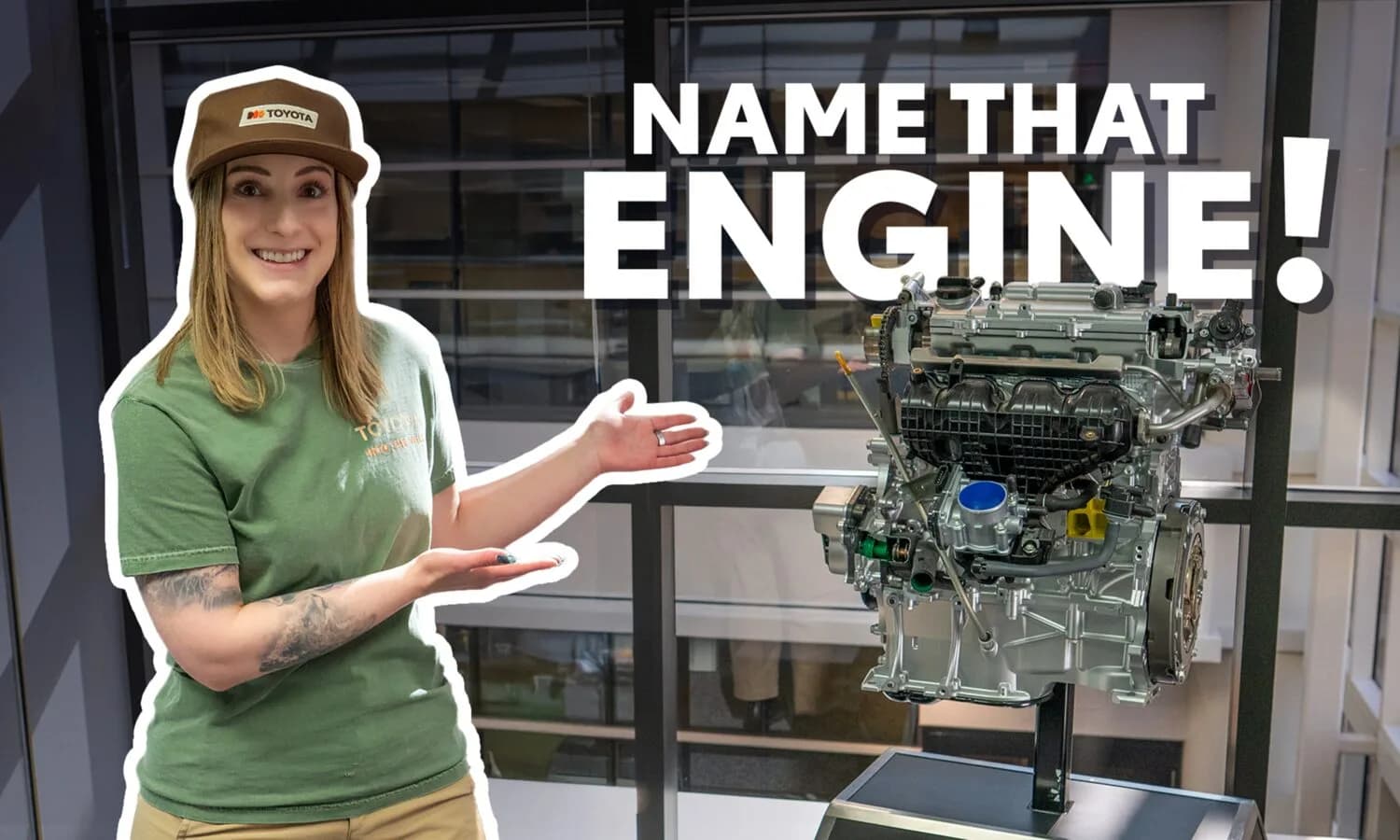
Toyota recently offered insights into the distinctions between various internal combustion engine types, including four-cylinder, V6, and V8 configurations. This informational breakdown clarifies that engine differences extend beyond mere size, encompassing factors like power output, fuel consumption, and suitability for specific driving conditions. The initiative aims to help vehicle owners better understand the technology under their hood, particularly regarding Toyota engine types explained.
Understanding Engine Fundamentals
Jess Buck from Toyota Motor North America Research & Development provided a detailed explanation of engine basics. Buck utilized a rowing analogy to simplify the complex mechanics of internal combustion engines, making the concepts more accessible to a general audience. This approach helps illustrate how different engine designs generate power and operate.
The analogy highlights that the number of "rowers" (cylinders) and their coordinated effort directly impacts the engine's capability. This foundational understanding is crucial for appreciating why certain engine types are preferred for different vehicle applications and performance demands.
Four-Cylinder, V6, and V8: Key Differences
The primary distinctions among four-cylinder, V6, and V8 engines, which are the core Toyota engine types explained in this overview, lie in their inherent characteristics. A four-cylinder engine, typically found in smaller vehicles, is known for its fuel efficiency and compact design, making it ideal for daily commuting and urban driving. While it produces less raw power than larger engines, its economical operation is a significant advantage.
V6 engines offer a balance of power and efficiency, commonly used in mid-size sedans, crossovers, and some light trucks. They provide more horsepower and torque than a four-cylinder, enabling smoother acceleration and better performance for highway driving or light towing. Their V-shape configuration allows for a more compact engine bay fit compared to an inline-six.
V8 engines are designed for maximum power and torque, making them suitable for larger trucks, SUVs, and performance vehicles. These engines excel at heavy-duty tasks like towing large loads and provide robust acceleration. While offering superior performance, V8s generally consume more fuel than their smaller counterparts due to their increased displacement and cylinder count.
Matching Engines to Driving Needs
Each engine type is optimized for particular driving requirements. Four-cylinder engines are well-suited for drivers prioritizing fuel economy and who primarily engage in city driving or light highway use. Their lower operating costs and reduced emissions make them a practical choice for many everyday vehicles.
V6 engines serve as a versatile option, providing sufficient power for most family vehicles and offering a good compromise between performance and fuel efficiency. They are capable of handling varied driving conditions, from daily commutes to longer road trips with moderate cargo.
For tasks demanding significant power, such as towing trailers, hauling heavy loads, or high-performance driving, V8 engines are the preferred choice. Their ability to generate substantial force ensures that vehicles can maintain speed and stability under strenuous conditions, albeit with a trade-off in fuel consumption. Understanding these distinctions helps consumers select a vehicle that aligns with their specific needs.
Toyota's explanation underscores that choosing a vehicle involves considering more than just its exterior. An informed understanding of engine types—four-cylinder, V6, and V8—allows owners and prospective buyers to make decisions that best match their driving habits and performance expectations, effectively covering Toyota engine types explained.
Galerie
4 Bilder
Leave a comment
Comments are moderated and may take a moment to appear. Only your first name and the initial of your last name are shown publicly.
Comments
Be the first to comment.