2021 BMW High-Voltage Battery Recall 20V-601 Update
BMW has issued an update regarding Recall Campaign 20V-601 concerning the high-voltage battery condition in various 2021 models, including the 2021 BMW 330i. After in-depth research, BMW has determined that the issue has been satisfied, and no further repair is required.
 Ahmet Topcu2021 BMW 330i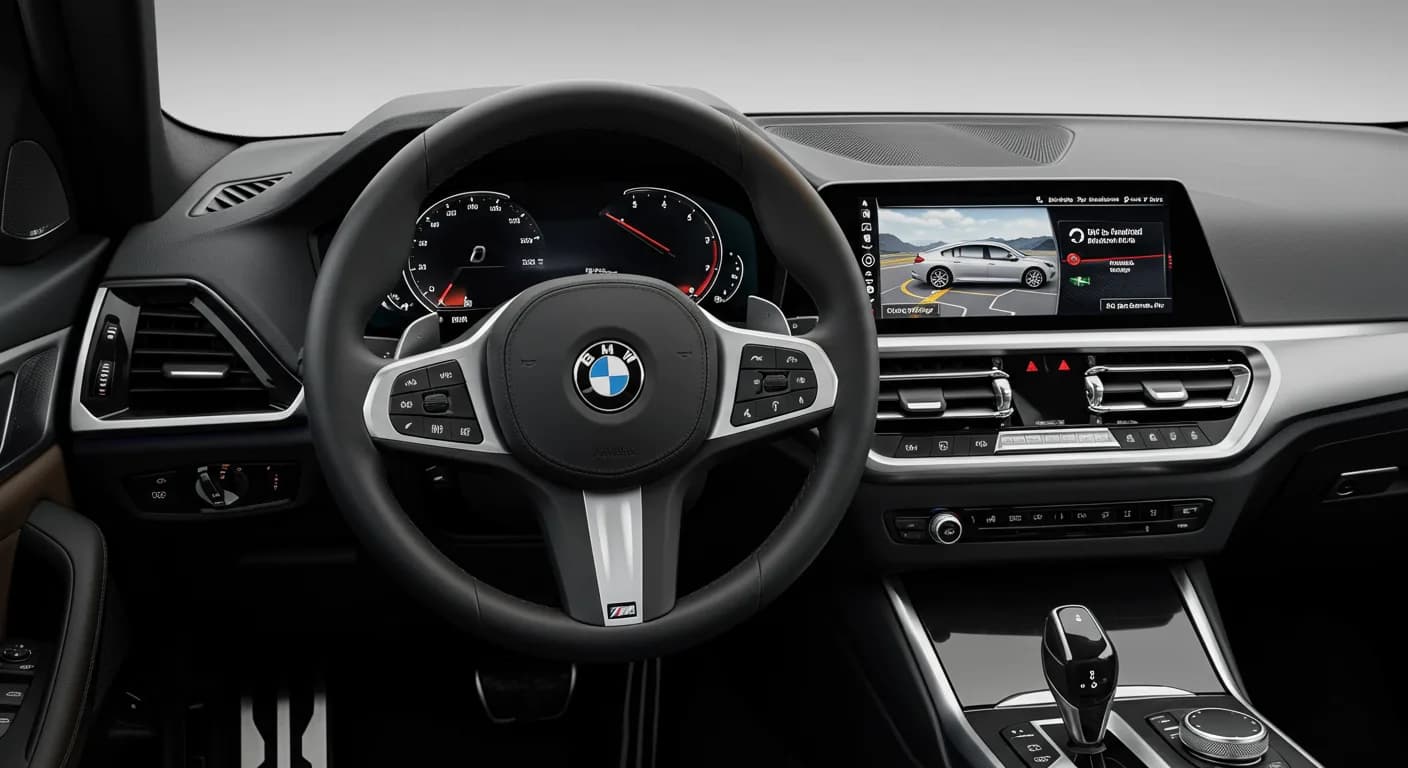
Gilt auch für
- BMW 330e
- 2021
- BMW 530e
- 2021
- BMW 530i
- 2021
- BMW 540i
- 2021
- BMW 740i
- 2021
- BMW M340i
- 2021
- BMW M550i
- 2021
- BMW M760i
- 2021
- BMW X3
- 2021
- BMW X5
- 2021
▸ 4 weitere anzeigen▾ Weniger anzeigen
Background on Recall Campaign 20V-601
BMW previously initiated Recall Campaign 20V-601 to address a potential issue with the high-voltage battery condition in certain 2021 BMW vehicles. This recall focused on the "HIGH-VOLTAGE BATTERY CONDITION VERIFICATION" within the electrical system. The original concern prompted a review of the battery's status to ensure long-term reliability and safety.
Manufacturer's Conclusion: No Further Repair Required
Following extensive in-depth research and analysis of corresponding data for the affected vehicles, BMW has issued an important update. The manufacturer communication, identified as NHTSA ID 10184585, states that the issue originally identified in Recall Campaign 20V-601 has been fully satisfied. This means that after thorough investigation, BMW has concluded that no further repair is required for the high-voltage battery condition in these vehicles.
This conclusion applies to models including the 2021 BMW 330i, 540i, 530i, X3, M550i, M340i, 530e, M760i, 330e, 740i, and X5. Owners of these vehicles, such as the 2021 BMW 330i manufacturer_communication indicates, can be assured that the previously identified concern has been addressed.
What This Means for Owners
For owners of the affected 2021 BMW models, including the 2021 BMW 330i manufacturer_communication, this update is good news. You do not need to take any further action regarding Recall Campaign 20V-601. BMW has determined that the high-voltage battery condition is satisfactory, and no additional service or repair is necessary. This communication clarifies the status of the recall and provides peace of mind that the issue is resolved.
Source: NHTSA 10184585
Related Articles
2021 BMW 330i SRS Sensor Mat Warranty Extension
BMW has announced a warranty extension for the Supplemental Restraint Systems (SRS) Front Passenger’s Seat Occupancy Capacitive Interior Sensor (CIS) Mat in certain 2021 330i and 330e vehicles. This extension covers defects causing false seat occupancy alerts for 10 years or 120,000 miles from the…
2021 BMW 3 Series False Seat Occupancy Alert
BMW has released Service Information Bulletin SIB 72 02 25 addressing a false seat occupancy alert in 2021 BMW 3 Series vehicles. This bulletin extends the warranty for the Supplemental Restraint Systems (SRS) Front Passenger's Seat Occupancy Capacitive Interior Sensor (CIS) Mat.
2021-2022 BMW 3 Series AC Rattling Noise TSB
Owners of 2021-2022 BMW 3 Series vehicles may experience a rattling noise from the air conditioning system when it is activated. This manufacturer communication (NHTSA ID: 10212798) addresses the symptom and provides guidance for diagnosis and repair.
2021 BMW 330i HOD Electronics Coding Error
A manufacturer communication addresses a coding error in 2021 BMW 330i, M340i, and 330e vehicles. After replacing and encoding the Hands-on Detection (HOD) electronics, an incorrect parameter may be transferred, potentially affecting system function.
2021 BMW 3/5 Series, X3 Fuel Mixture Adaptation Issue
A manufacturer communication from BMW addresses an issue in certain 2021 BMW 3 Series, 5 Series, and X3 vehicles where fuel vapor scavenging can lead to incorrect fuel mixture adaptation values, primarily in the low-end torque range.
Leave a comment
Comments are moderated and may take a moment to appear. Only your first name and the initial of your last name are shown publicly.
Comments
Be the first to comment.