2022-2023 Audi e-tron GT C1399F0 ABS Module DTC
Audi Technical Service Bulletin 2063679/3 details a fix for DTC C1399F0 in the ABS control module of 2022-2023 Audi e-tron GT and RS e-tron GT vehicles. This code can appear after brake service and lead to reduced recuperation.
 Sarah Mitchell2023 Audi RS e-tron GT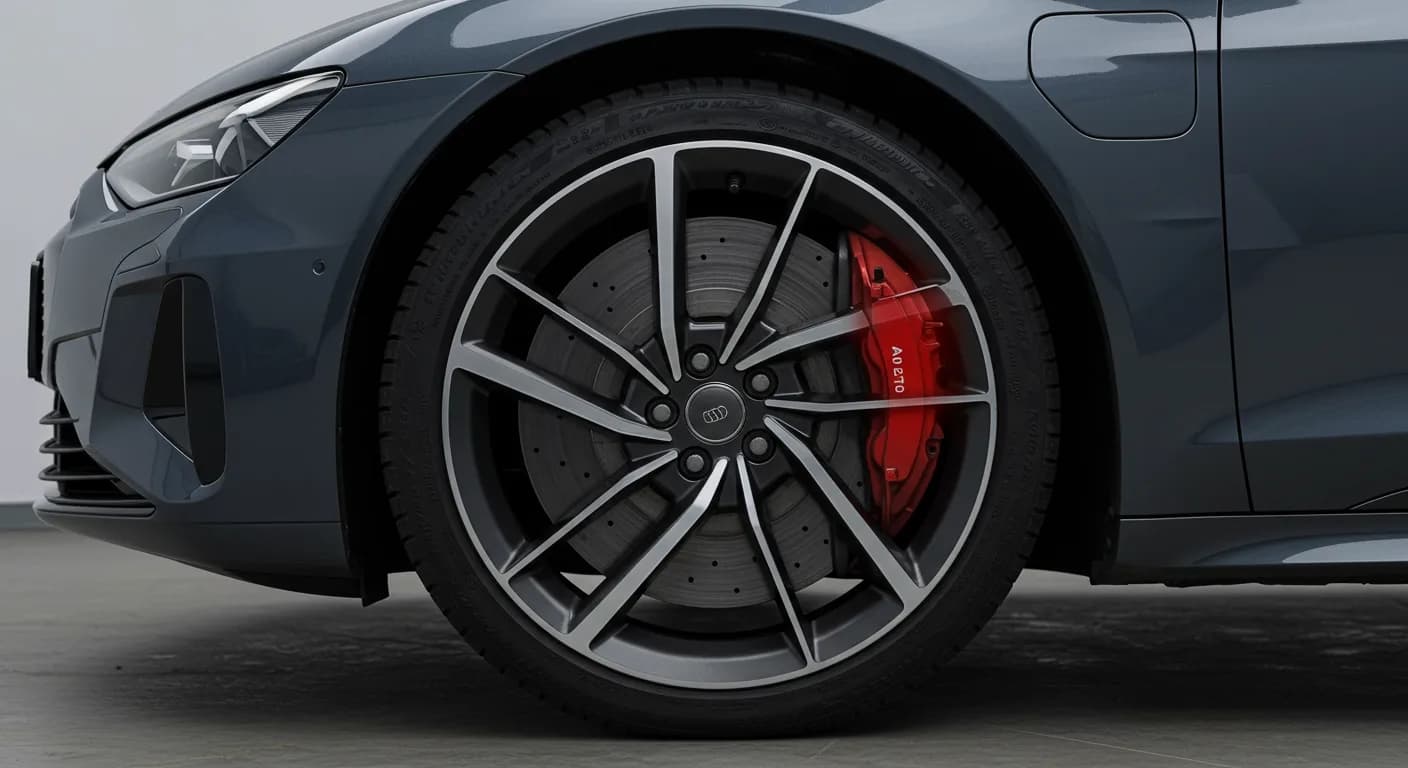
Gilt auch für
- Audi e-tron GT
- 2022–2023
- Audi RS e-tron GT
- 2022
Symptoms of Audi e-tron GT C1399F0
Owners of 2022-2023 Audi e-tron GT and RS e-tron GT models may experience specific symptoms related to this issue. The primary concern is a noticeable reduction in recuperation when braking, particularly if the vehicle is new or has recently had its brake discs and/or pads replaced. This condition indicates that the vehicle's regenerative braking system is not functioning at its full capacity.
Fault Codes / DTCs
The presence of the Audi e-tron GT C1399F0 fault code is a key indicator of this issue. This Diagnostic Trouble Code (DTC) is stored in the ABS control module, specifically the J104 unit (address word 0003).
| Code | Description | Module |
|---|---|---|
| C1399F0 | Brake application mode active | J104 |
Diagnosis and Trigger Conditions
The Audi e-tron GT C1399F0 code is typically triggered under specific circumstances related to the vehicle's brake system. Audi has implemented a "brake application mode" designed to properly break in new brake pads on the discs. During this break-in process, the vehicle's recuperation function is temporarily deactivated, and braking is performed manually. The DTC C1399F0 is logged in the ABS control module during this period.
It's important to note that this brake-in process, and the associated DTC, are not actively displayed to the driver in the instrument cluster or the MMI system. The system automatically deactivates this mode and clears the DTC once the necessary amount of energy has been dissipated, indicating the break-in process is complete. Therefore, if the DTC persists or low recuperation continues after sufficient driving, a service procedure is required.
Repair Procedure Summary
To address the Audi e-tron GT C1399F0 and restore normal recuperation, Audi Technical Service Bulletin 2063679/3 outlines a straightforward diagnostic and repair process for technicians. If the brake discs and/or pads have been replaced, or if the DTC C1399F0 is present, the following steps should be taken:
- Initiate Test Plan: Technicians must use the ODIS diagnostic system (via GFF or Guided Functions) to select the "003 Brake-In Service Pads" test plan. This plan is designed to properly complete the brake pad break-in sequence.
- Reevaluate and Release: After running the test plan, the vehicle should be reevaluated to ensure the DTC C1399F0 has cleared and that recuperation is functioning correctly. Once confirmed, the vehicle can be released.
This procedure ensures that the brake system completes its necessary break-in, allowing the recuperation system to return to normal operation.
Warranty Information
Repairs performed under Audi Technical Service Bulletin 2063679/3 are covered under warranty for up to 48 months or 50,000 miles, whichever comes first, under Claim Type 1EB. If the vehicle is outside of this warranty period, this Technical Service Bulletin serves as informational guidance, and any repairs would typically not be covered. All warranty claims must adhere to the Audi Warranty Policies and Procedures Manual and are subject to review or audit by Audi Warranty. The Service Number associated with this bulletin for claim purposes is DADP.
Important Warnings
Owners should be aware that the brake application mode, which can lead to the Audi e-tron GT C1399F0 fault code, is an internal process and is not actively displayed to the customer in the instrument cluster or the MMI. The system is designed to automatically deactivate this mode and the DTC once the required amount of energy for brake pad break-in has been reached. Therefore, if you experience persistent low recuperation, it's advisable to have your vehicle inspected by an authorized Audi service center.
Source: NHTSA ID: 10212111, Audi Technical Service Bulletin 45 22 24 2063679/3
Frequently Asked Questions
- What does DTC C1399F0 mean in my Audi e-tron GT?
- DTC C1399F0, or "Brake application mode active," indicates that your Audi e-tron GT's ABS control module (J104) has detected the vehicle is in a special mode for breaking in new brake pads. This mode temporarily deactivates the recuperation system.
- Why might my Audi e-tron GT have low recuperation after brake service?
- If brake discs or pads were recently replaced on your 2022-2023 Audi e-tron GT, the vehicle might enter a "brake application mode" for proper break-in. During this mode, recuperation is intentionally reduced, and the DTC C1399F0 may be stored in the ABS control module.
- How is the Audi e-tron GT C1399F0 issue resolved?
- An authorized Audi technician can resolve the Audi e-tron GT C1399F0 issue by using the ODIS diagnostic system to initiate the "003 Brake-In Service Pads" test plan. This procedure completes the necessary brake pad break-in, allowing the recuperation system to return to normal operation.
- Is the repair for DTC C1399F0 covered under warranty?
- Yes, repairs related to Audi Technical Service Bulletin 2063679/3 for DTC C1399F0 are typically covered under Audi's warranty for up to 48 months or 50,000 miles, whichever comes first. If your vehicle is outside this period, the bulletin serves as informational guidance.
Weitere Revisionen dieses TSB
Related Articles
2022-2024 Audi e-tron GT / RS e-tron GT Door Paint Damage TSB
If your 2022-2024 Audi e-tron GT or RS e-tron GT has paint damage on the front door, it may be due to the door colliding with the wing panel trim. Technical Service Bulletin 2072290/2 describes the cause and repair procedure for this issue.
2022-2024 Audi e-tron GT Radiator Fan Stuck DTC P2B3000
Audi Technical Service Bulletin 2073599/4 details issues with radiator fans getting stuck (DTCs P2B3000, P2B3200) in 2022-2024 Audi e-tron GT and RS e-tron GT vehicles. This can lead to reduced heating, cooling, drive power, and charging capacity due to foreign objects.
2023 Audi e-tron GT Charging Port Door Not Opening TSB
Audi Technical Service Bulletin (TSB) 2070578/3 provides diagnostic and repair information for 2023 Audi e-tron GT and RS e-tron GT vehicles where the charging port door fails to open or close, or displays incorrect status messages. The issue is typically linked to a faulty charging port door…
2022-2024 Audi e-tron GT High-Voltage Charger Conversion TSB
Audi has issued Technical Service Bulletin (TSB) 11022683 for 2022-2024 e-tron GT and RS e-tron GT models. This bulletin provides information on converting the high-voltage battery charger from a 22kW to an 11kW configuration.
2023-2024 Audi e-tron GT High-Voltage Battery Software Update
Audi has released Technical Service Bulletin 931D, an update for the high-voltage battery diagnostic software in 2023-2024 e-tron GT and RS e-tron GT models. This update addresses potential irregularities indicated by a warning lamp in the instrument cluster.
Leave a comment
Comments are moderated and may take a moment to appear. Only your first name and the initial of your last name are shown publicly.
Comments
Be the first to comment.