2024-2025 Jeep, Ram, Dodge TPMS Sensor Handling Best Practices
Stellantis has issued STAR Online Publication S2522000001, providing essential best practices for handling and installing Tire Pressure Monitoring System (TPMS) sensors. This guide helps technicians prevent damage during tire dismounting and mounting on 2024-2025 Jeep, Ram, and Dodge vehicles…
 David Chen2024 Jeep Wrangler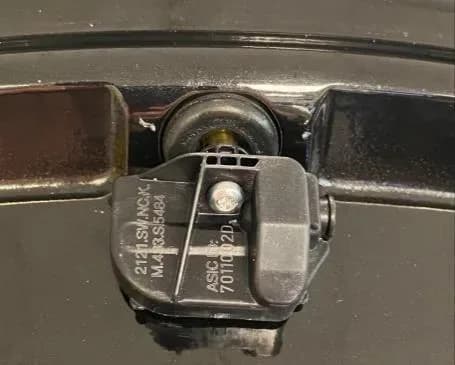
Also applies to
- Jeep Gladiator
- 2024–2025
- Jeep Grand Cherokee
- 2024–2025
- Jeep Grand Cherokee L
- 2024–2025
- Jeep Grand Wagoneer
- 2024–2025
- Jeep Wagoneer
- 2024–2025
- Jeep Wagoneer S
- 2024–2025
- Jeep Wrangler
- 2025
- Dodge Charger
- 2024–2025
- Ram 2500
- 2024–2025
- Ram 3500
- 2024–2025
- Ram 4500
- 2024–2025
- Ram 5500
- 2024–2025
▸ Show 6 more▾ Show fewer
Stellantis has released STAR Online Publication S2522000001, a comprehensive guide detailing best practices for handling and installing Tire Pressure Monitoring System (TPMS) sensors. This document, applicable to various 2024-2025 Jeep, Ram, and Dodge models, including the Jeep Wrangler TPMS sensor handling, aims to prevent damage to these critical components during tire service procedures.
Proper Jeep Wrangler TPMS sensor handling and installation are crucial for maintaining the accuracy and functionality of the vehicle's tire pressure monitoring system. This publication serves as a reference for technicians, emphasizing careful techniques to avoid costly sensor damage.
Why These Best Practices Matter
TPMS sensors are delicate electronic components integrated into the wheel assembly. Incorrect procedures during tire dismounting or mounting can easily lead to sensor damage, resulting in system malfunctions, warning lights, and potential safety concerns. Following these guidelines helps ensure the longevity and reliability of the TPMS.
Key Procedures for TPMS Sensor Protection
This publication provides detailed steps across several stages of tire service to safeguard TPMS sensors.
Tire Dismounting for Sensor Protection
To protect the sensor during tire dismounting, technicians should first add a white mark to the sensor valve. This mark helps determine if rotation occurs. When removing the tire, it's essential to follow the tire changer manufacturer's instructions while paying special attention to the TPMS sensor. The bead breaker should be avoided in the area surrounding the sensor for both upper and lower beads. After the bead is broken, lubricant should be applied to both wheel flanges to minimize the risk of sensor damage. Finally, the mounting/dismounting tool should be inserted carefully within ±10° of the valve stem position for safe removal of both upper and lower beads.
Initial Inspection and Sensor Removal
Before removal, technicians must inspect the sensor and valve. This includes checking that the white mark remains in its original position, inspecting the sensor housing and potting for cracks or wear, and examining the valve for stress marks or aging. If any damage is found, the sensor or valve should not be reused. The sensor's position and condition must be documented prior to removal.
For sensor and valve removal, the sensor enclosure should be removed before the valve itself. A valve anti-rotation pin, if available, can stabilize the valve while loosening the screw. Minimal force should be used to avoid damaging the sensor housing. The sensor enclosure is then carefully pulled off the valve, and the valve pushed downward to release it from the rim.
Important Considerations: If any damage is found or created during this process, the Tire Pressure sensor or valve must not be reused. If tire sealant is detected, the sensor should be cleaned with a damp cloth, and the rim and valve hole thoroughly cleaned before reinstalling any sensor or valve.
New Sensor Preparation and Installation
Before installing a new sensor, verify part compatibility. Technicians should not use valves older than 12 months (check the WWYY date code) and must always install a new screw and valve. Proper sensor alignment is critical: ensure the rim hole and sealing surfaces are clean, and the transmitter is horizontal and not touching the rim. The Tire Pressure sensor must be flush and concentric with the valve hole, avoiding any tilting or contact between the sensor transmitter and rim. Valve bulbs must rest fully against the rim.
Technicians must follow the orientation markings on the transmitter. Incorrect sensor positioning, as illustrated in Figure 1 and Figure 2, can lead to improper dynamic performance, even if the RKE Mopar tool communicates correctly.
Valve Seating Validation
After installation, inspect for trapped rubber or incomplete valve rib pull-through. Damaged valves or those requiring excessive force for seating should be replaced. A white mark should be added to the valve to detect rotation during tire mounting.
Tire Mounting for Sensor Protection
When mounting the tire, follow the tire changer manufacturer's instructions carefully to avoid damaging the Tire Pressure sensor. After securing the wheel, position the valve stem of the Tire Pressure sensor approximately 210° clockwise from the changer head. Then, rotate the wheel clockwise to mount the tire, applying this method for both upper and lower beads. The wheel should be placed on the changer so the Tire Pressure sensor is about 210° clockwise from the working end of the mounting/dismounting tool. This ensures the sensor is clear of the lower bead breaker area when it rises. The tool is then rotated counterclockwise to mount the tire, using this approach for both upper and lower beads.
Post Tire Mounting Checks
After mounting, several checks are necessary. Verify that the white mark on the valve remained in position. Use standard service procedures to activate and verify the Tire Pressure sensor, confirming RF response with the correct ID and pressure. If there's no response or incorrect pressure, the assembly should be flagged for rework. Inspect for valve cone damage or misalignment, replacing the valve if excessive force was needed. Finally, check the entire assembly for leaks. Figure 3 provides examples of common damage that can occur during tire dismount and sensor insertion.
Important Warnings for Owners and Technicians
- Do not reuse the Tire Pressure sensor or valve if any damage is found or created during service.
- Do not use valves older than 12 months (check the WWYY date code).
- Do not install OEM Tire Pressure sensors in unapproved wheel assemblies.
- Incorrect sensor positioning may result in communication with the RKE Mopar tool but cause improper dynamic performance.
This guide for Jeep Wrangler TPMS sensor handling and other Stellantis vehicles is crucial for preventing issues and ensuring the safety and functionality of your vehicle's TPMS.
Source: NHTSA ID: 11022183, Case Number: S2522000001
Gallery
5 images
Frequently Asked Questions
- What is Stellantis STAR Online Publication S2522000001 about?
- Stellantis STAR Online Publication S2522000001 provides best practices and detailed procedures for technicians to properly handle and install Tire Pressure Monitoring System (TPMS) sensors, aiming to prevent damage during tire dismounting and mounting processes for 2024-2025 Jeep, Ram, and Dodge vehicles.
- Why is proper TPMS sensor handling important?
- Proper TPMS sensor handling is crucial because these sensors are delicate and can be easily damaged during tire service. Damage can lead to system malfunctions, erroneous warning lights, and compromise the accuracy of tire pressure monitoring, which is a safety feature.
- What are some key steps to protect TPMS sensors during tire dismounting?
- Key steps include marking the sensor valve with a white mark, carefully following tire changer instructions, avoiding the bead breaker near the sensor, lubricating wheel flanges, and inserting the mounting/dismounting tool within ±10° of the valve stem position.
- Are there any specific warnings regarding new TPMS sensor installation?
- Yes, technicians should not reuse damaged sensors or valves, avoid using valves older than 12 months (checking the WWYY date code), and never install OEM TPMS sensors in unapproved wheel assemblies. Correct sensor alignment and orientation are also critical to prevent improper dynamic performance.
- What should be checked after a new TPMS sensor is installed and the tire is mounted?
- After installation and mounting, technicians should verify the white mark on the valve is still in place, activate and verify the sensor's RF response and pressure, inspect for valve cone damage or misalignment, and check the entire assembly for leaks. Any issues should lead to rework.
Related Articles
2024 Jeep Wrangler Problems: Recalls, Complaints & TSBs
The 2024 Jeep Wrangler has faced four safety recalls, primarily concerning exterior lighting and airbag deployment. While no owner complaints or federal investigations have been reported, twenty manufacturer service bulletins address various issues from engine performance and electrical glitches…
2024-2026 Jeep, Ram, Dodge Cylinder Head Bolt Inspection
Mopar has issued a Quality Inspection Request (QIR) concerning cylinder head cover bolts, part number 04893799AJ, for various 2024-2026 Jeep, Ram, and Dodge models. Dealers are instructed to identify and quarantine suspect bolts with a chamfered flange.
2024 Jeep Wrangler PCM Update for Misfire & O2 Sensor DTCs
A Technical Service Bulletin (TSB 18-003-26 REV. A) has been issued for the 2024 Jeep Wrangler to address various engine performance issues, including misfires, rough idle, and O2 sensor fault codes. This update involves reprogramming the Powertrain Control Module (PCM).
2021-2026 Jeep Wrangler / Gladiator Wind Noise TSB S2623000018
This technical service bulletin, S2623000018, addresses "Wind Noise From Hard Top Freedom Panels Near Rear View Mirror While Driving" in 2021-2026 Jeep Wrangler and Gladiator models, detailing a diagnostic and repair procedure involving the header seal.
2024 Jeep Wrangler Heated Steering Wheel Not Working TSB
If your 2024 Jeep Wrangler's heated steering wheel isn't working or isn't warm enough, Technical Service Bulletin (TSB) 08-121-26 from Stellantis outlines a software update for the Comfort Seat Wheel Module (CSWM) to resolve the issue.
Leave a comment
Comments are moderated and may take a moment to appear. Only your first name and the initial of your last name are shown publicly.
Comments
Be the first to comment.