2022-2025 Stellantis Remote Start & TPMS Faults TSB S2208000138
Stellantis has released TSB S2208000138 Rev. B addressing decreased remote start and RKE range, as well as missing tire pressure sensor values in 2022-2025 vehicles. This bulletin covers diagnosis, including DTCs B1A76-13 and C1501-31, and potential fixes.
 Ahmet Topcu2023 Jeep Wrangler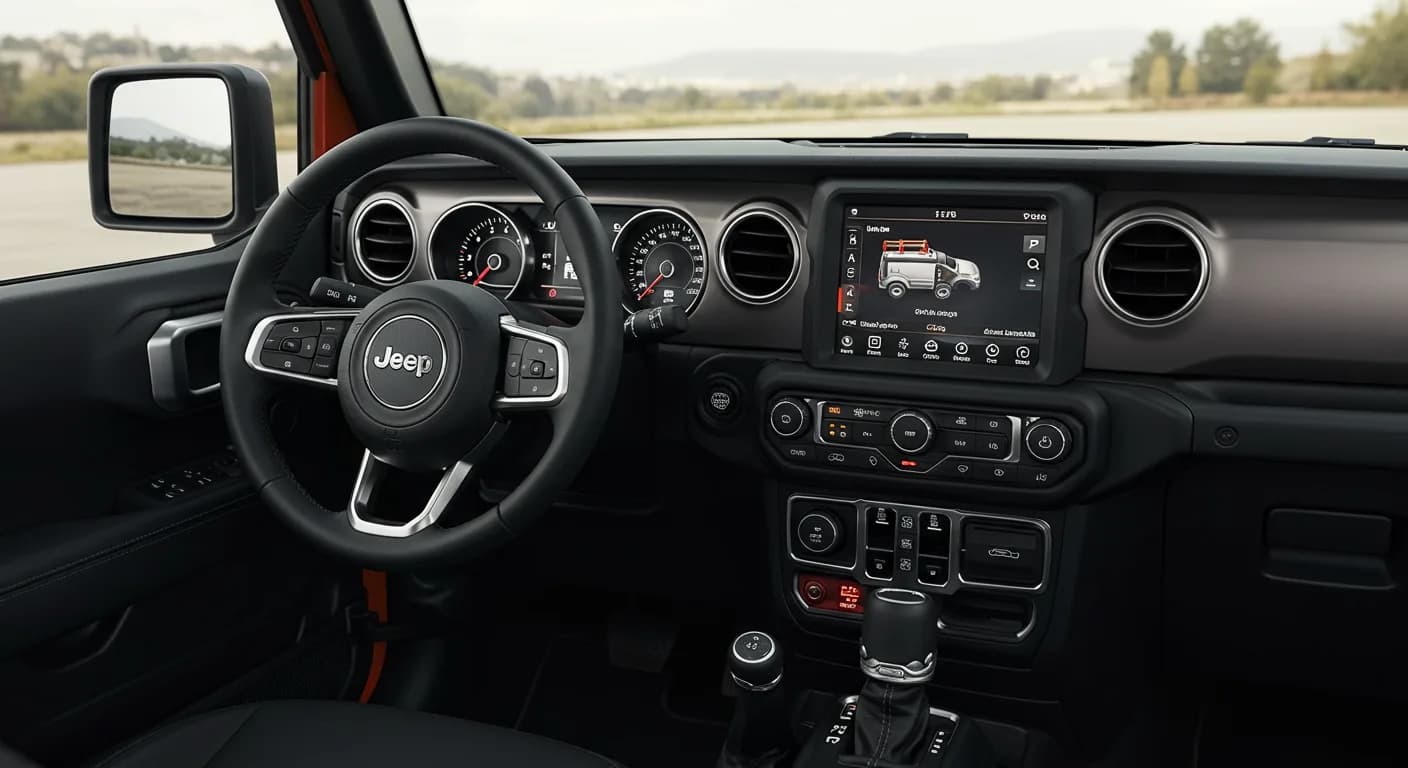
Also applies to
- Jeep Cherokee
- 2021–2023
- Jeep Compass
- 2021–2025
- Jeep Gladiator
- 2021–2025
- Jeep Grand Cherokee
- 2021–2025
- Jeep Grand Cherokee L
- 2021–2025
- Jeep Grand Wagoneer
- 2022–2025
- Jeep Wagoneer
- 2022–2025
- Jeep Wrangler
- 2021, 2022, 2024, 2025
- Dodge Challenger
- 2021–2023
- Dodge Charger
- 2021–2023
- Dodge Durango
- 2021–2025
- Ram 1500
- 2021–2025
▸ Show 6 more▾ Show fewer
Stellantis has issued Technical Service Bulletin (TSB) S2208000138 Rev. B to address concerns regarding decreased remote start and Remote Keyless Entry (RKE) range, as well as situations where tire pressure sensor values are not displayed in various 2022-2025 Stellantis vehicles. This bulletin provides diagnostic steps and potential solutions for these problems, including identifying specific diagnostic trouble codes (DTCs) and the impact of aftermarket accessories.
Symptoms
Owners may experience a noticeable decrease in the effective range of their remote start and RKE systems. Additionally, the vehicle's instrument cluster might display dashes instead of actual tire pressure sensor values, indicating a failure to receive or display Tire Pressure Monitoring System (TPMS) data. These symptoms are collectively referred to as "Decreased Remote Start And RKE Range" and "Tire Pressure Sensors Values Are Not Displayed" in the bulletin.
Fault Codes / DTCs
When scanning the vehicle for diagnostic trouble codes, technicians may find one or more of the following:
- B1A76-13: Remote start antenna DTC
- C1501-31: TPMS DTC
- C1502-31: TPMS DTC
- C1503-31: TPMS DTC
- C1504-31: TPMS DTC
- C151D-00: TPMS DTC
These codes indicate issues related to the remote start antenna or the tire pressure monitoring system.
Diagnosis and Trigger Conditions
A primary cause for these issues can be a failed remote start antenna. This can lead to problems with multiple tire pressure sensors. The bulletin identifies specific sensor locations that are most susceptible based on vehicle platform:
- DT: Rear TPM sensors
- JL/JT: Front TPM sensors
- KL: Front TPM sensors
- LA, LD, LX: Front TPM sensors
- MP: Front TPM sensors
- RU: Front TPM sensors
- VF: Rear TPM sensors
- WD/WK: Front TPM sensors
- WL/WS: Front TPM sensors
Beyond a faulty antenna, aftermarket components can also significantly impact RKE and TPMS performance. These include aftermarket TPM sensors that do not meet Mopar factory standards, aftermarket alarm and GPS systems that interfere with Radio Frequency (RF) signals, and even certain types of window tint, particularly ceramic tint, which can block RF signal transmission.
Repair Procedure Summary
The diagnostic and repair process outlined in TSB S2208000138 Rev. B focuses on verifying the remote start antenna and addressing potential interference:
- Antenna Connection Check: Ensure the remote start antenna connector is properly seated at the RF hub, and inspect the connector pins for any damage.
- Coax Cable Inspection: Visually check the remote start antenna (RSA) coax cable for any physical damage.
- DTC Monitoring: Wiggle the coax cable while monitoring if any associated DTCs become active or stored.
- Module Reset: Disconnect and reconnect the Remote Start Antenna cable at the RF Hub Module.
- Known Good Antenna Test: Connect a known good RSA directly to the RF Hub and observe if the RKE range or TPMS issues resolve. This helps isolate the problem to the antenna itself.
- Further Investigation: If issues persist after these steps, further investigation into the key fobs, RFH (Radio Frequency Hub), and TPMS is recommended.
- Antenna Replacement: If no connection issues are found and normal operation returns with a known good remote start antenna, the original remote start antenna should be replaced.
Additionally, the bulletin advises removing any aftermarket components that may be interfering with RKE and TPMS signals. After any repairs or component removals, technicians should verify that normal RKE range and TPMS values are restored.
Important Note for Technicians
This document serves as a record of past experiences and does not authorize warranty repairs. It does not provide definitive conclusions about vehicle issues but rather captures similar cases. Technicians are responsible for determining the appropriate course of action based on their expertise.
NHTSA ID: 11020600
Frequently Asked Questions
- What issues does TSB S2208000138 Rev. B address?
- It addresses decreased remote start and RKE (Remote Keyless Entry) range, along with tire pressure sensor values not displaying in 2022-2025 Stellantis vehicles.
- What DTCs are associated with these problems?
- Common diagnostic trouble codes include B1A76-13 for the remote start antenna and C1501-31, C1502-31, C1503-31, C1504-31, and C151D-00 for the Tire Pressure Monitoring System (TPMS).
- Can aftermarket parts cause these issues?
- Yes, aftermarket TPM sensors, alarm/GPS systems, and even certain window tints can interfere with the vehicle's RKE and TPMS signals, leading to these symptoms.
- What is the primary repair for these issues?
- The repair involves inspecting the remote start antenna and its connections, potentially replacing the antenna, and removing any aftermarket components that might be causing interference.
- How can I tell if my TPMS values are not displaying?
- Your vehicle's instrument cluster may show dashes instead of actual tire pressure readings if the TPMS values are not being received or displayed correctly.
Related Articles
2023 Jeep Wrangler Problems: Recalls & Service Bulletins
The 2023 Jeep Wrangler faces a significant recall for its defrost system, potentially reducing driver visibility. Owners may also encounter engine misfire DTCs, heated steering wheel issues, and various other concerns addressed by numerous service bulletins. This guide details known problems and…
2023 Jeep Wrangler Misfire DTCs PCM Software Update
A Technical Service Bulletin (TSB 18-048-26) addresses Malfunction Indicator Lamp (MIL) illumination and various misfire Diagnostic Trouble Codes (DTCs) in 2023 Jeep Wrangler vehicles. Symptoms include rough idle, engine miss, and noisy valvetrain, all caused by PCM software. The fix involves…
2023 Jeep Wrangler PCM Update for MIL & Misfire DTCs
Jeep has released TSB 18-046-26 for 2023 Wrangler models experiencing Malfunction Indicator Lamp (MIL) illumination, various misfire DTCs (P0300-P0306), rough idle, or a "Service Transmission" message. The fix involves a Powertrain Control Module (PCM) software update to improve engine performance…
2023 Jeep Wrangler Heated Steering Wheel Not Working TSB 08-120-26
Owners of 2023 Jeep Wrangler vehicles may experience a heated steering wheel that does not get hot enough or fails to work. Technical Service Bulletin (TSB) 08-120-26 provides a software update for the Comfort Seat Wheel Module (CSWM) to resolve this issue.
2023 Jeep Wrangler Heated Steering Wheel Not Working TSB
Owners of 2023 Jeep Wrangler vehicles with heated steering wheels may experience the steering wheel not heating up sufficiently or not working at all. Technical Service Bulletin (TSB) 08-120-26 provides a software update for the Comfort Seat Wheel Module (CSWM) to resolve this issue.
Leave a comment
Comments are moderated and may take a moment to appear. Only your first name and the initial of your last name are shown publicly.
Comments
Be the first to comment.