2024-2025 Audi A3/S3/RS3 Blower Air Flow Issue TSB 2074919/1
Audi has identified a software issue affecting the manual air conditioning system in certain 2024-2025 A3, S3, and RS 3 models. Owners may notice that the air flow intensity does not change when the blower speed is set above level 4. Technical Service Bulletin 2074919/1 indicates a solution is…
 Marcus Weber2025 Audi S3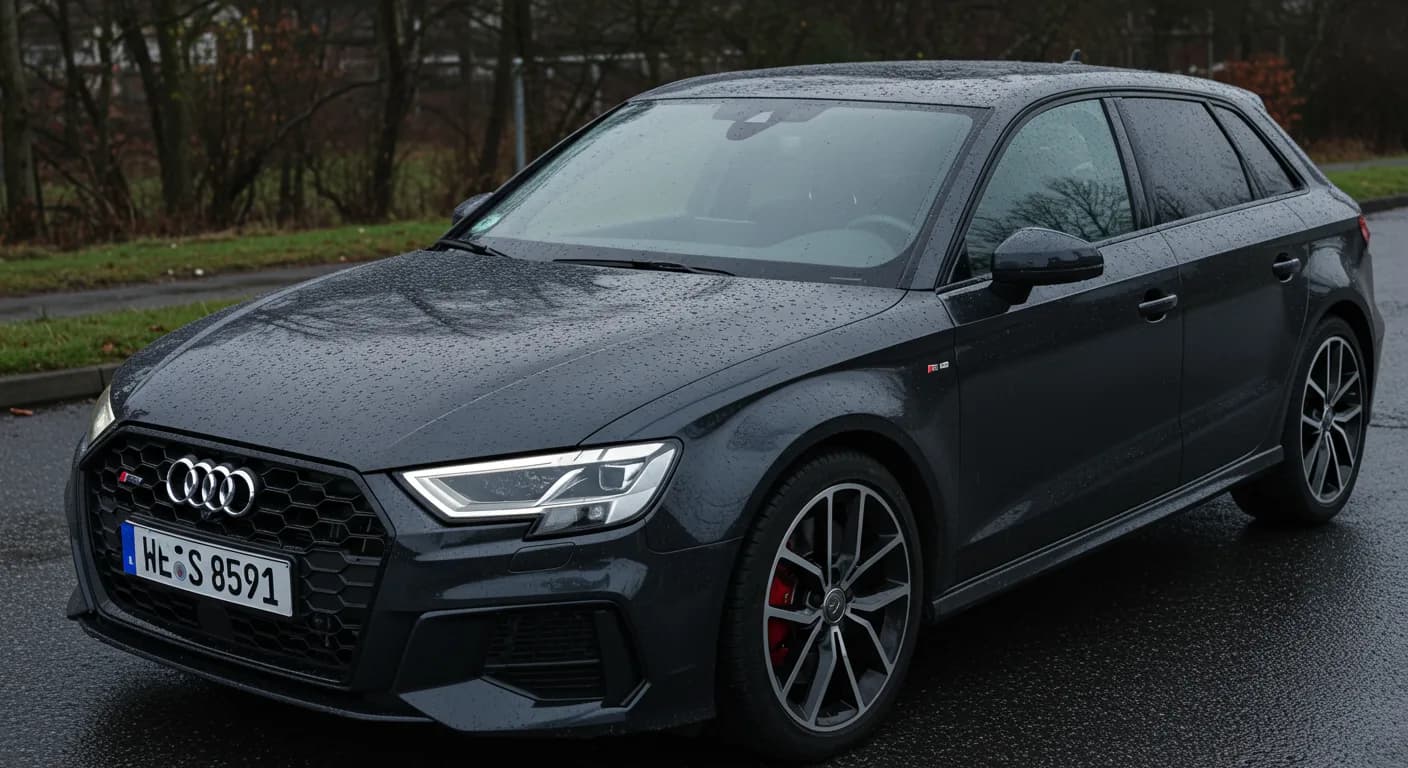
S'applique également à
- Audi A3
- 2024–2025
- Audi RS 3
- 2024–2025
- Audi S3
- 2024
Symptoms of the Audi A3 Blower Air Flow Issue
Owners of certain 2024-2025 Audi A3, S3, and RS 3 vehicles may notice a specific problem with their manual air conditioning system. The primary symptom is that the "Air flow intensity does not change when blower level is higher than 4". This means that even if you increase the blower speed setting beyond level 4, the actual air flow from the vents does not increase proportionally. This particular Audi A3 blower air flow issue is confined to the manual air conditioning mode and does not affect the system when operating in "AUTO" function or "AC MAX" mode.
Technical Background: Software Issue
Audi has confirmed that the underlying cause of this Audi A3 blower air flow problem is a software issue. This indicates that the vehicle's control unit responsible for managing the HVAC system's blower motor is not correctly interpreting or executing commands when the manual blower speed exceeds level 4. The complaint can be consistently reproduced by technicians, confirming its presence.
Important Owner Information
Audi has provided specific guidance regarding this condition. It is crucial for owners to understand that no immediate repairs are necessary at this point. Do not replace any components for this condition since this will not resolve the customer’s concern. This warning prevents unnecessary part replacements and associated costs, as the issue is software-related.
What to Expect at the Dealership
If you experience this Audi A3 blower air flow problem, your Audi dealership will document the complaint. Technicians are instructed to create a Pending Service Solutions (PSS) record in the PSS application via AccessAudi. This process helps Audi track the prevalence of the issue while they work on a permanent fix. No physical repair will be performed at this time, as the solution is still under development.
Solution Timeline
Audi anticipates that a software solution for this blower air flow issue will be available by the first quarter of 2025. This timeline is subject to change, but it provides owners with an expectation of when a fix might be implemented. Once the solution is released, the Technical Service Bulletin 2074919/1 will be updated with further instructions for technicians.
Warranty Status
Technical Service Bulletin 2074919/1 is informational only. It is not applicable to any Audi Warranty, meaning that the documentation of this issue and the eventual software update will not be processed under standard warranty claims.
NHTSA ID: 11007249
Frequently Asked Questions
- What is the specific problem with the Audi A3 blower air flow?
- The problem, as described in Audi Technical Service Bulletin 2074919/1, is that the air flow intensity from the manual air conditioning system does not increase when the blower speed is set higher than level 4. This issue does not affect the 'AUTO' or 'AC MAX' air conditioning modes.
- Is there a fix available for the 2024-2025 Audi A3 blower air flow issue?
- Currently, a permanent fix is not available. Audi has identified the issue as a software problem and expects to release a solution by the first quarter of 2025. Owners are advised not to replace any components, as this will not resolve the underlying software concern.
- What should I do if my 2024-2025 Audi A3, S3, or RS 3 has this air flow issue?
- If you experience the 'Air flow intensity does not change when blower level is higher than 4' symptom, you should contact your authorized Audi dealership. They will document the issue by creating a PSS record, but no repair will be performed until the software solution becomes available.
- Will the repair for the Audi A3 blower air flow problem be covered under warranty?
- According to TSB 2074919/1, this bulletin is informational only and not applicable to any Audi Warranty. This implies that the process for addressing this software update may not fall under standard warranty claims.
Related Articles
2021-2025 Audi A3, S3, RS 3, Q3 Front End Creaking Noises TSB
Audi Technical Service Bulletin 2043424/19 addresses creaking and squeaking noises from the front end of 2021-2025 Audi A3, S3, RS 3, and Q3 models. The issue stems from the rear elastomer bush of the control arm on the front axle, requiring specific lithium grease application.
2024-2026 Audi A3/S3/RS3 AC Not Working TSB 2080697/1
Audi has issued Technical Service Bulletin 2080697/1 for 2024-2026 A3, S3, and RS3 models regarding an intermittent air conditioning system malfunction. This issue may store DTCs B10AE22 and U193500 in the HVAC Electronics module.
2023-2025 Audi S3, A3, A5, Q5, Q7, Q8 Analysis List
Audi has released an on-car analysis list dated December 8, 2025, detailing diagnostic information for several issues affecting 2023-2025 Audi models. These include DTC P0A8200 related to the 48V battery cooling fan, problems with B&O extendable tweeters, and vehicles showing incorrect time by one…
2025 Audi A3/S3/RS3 Reversing Camera MMI View Issue
Audi has issued TSB 2076961/2 for 2025 A3, S3, and RS3 models regarding a software issue where the reversing camera's rear corner view cannot be activated via the MMI. Owners may see soft keys with no function. A fix is anticipated by the end of 2025, and no repairs are needed currently.
2022-2025 Audi Emergency Call Fault U178500 TSB
Audi has released TSB 2073131/4 for 2022-2025 A3, S3, RS3, and Q3 models experiencing an 'Emergency call function: fault' message and DTC U178500. This bulletin details a software error in the emergency call module and outlines a temporary service procedure.
Leave a comment
Comments are moderated and may take a moment to appear. Only your first name and the initial of your last name are shown publicly.
Comments
Be the first to comment.