2025-2026 Audi e-tron GT Active Suspension Noise TSB
Audi has released Technical Service Bulletin 2080798/1 for 2025-2026 e-tron GT and RS e-tron GT models equipped with active suspension (PR code 1P8). It addresses noises heard when driving over bumps and outlines diagnostic procedures for technicians.
 David Chen2026 Audi S e-tron GT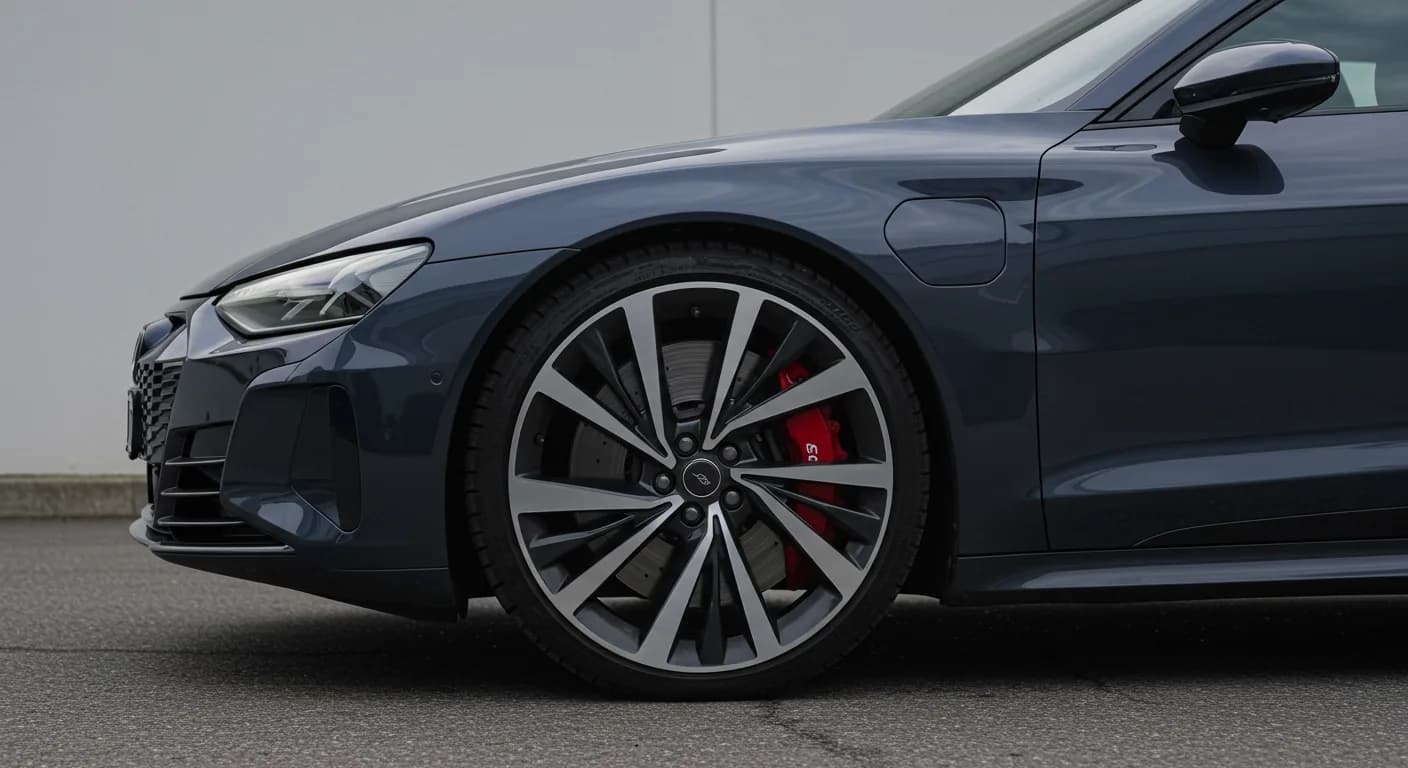
Also applies to
- Audi e-tron GT
- 2025
- Audi RS e-tron GT
- 2025–2026
Audi has issued Technical Service Bulletin (TSB) 2080798/1 to address concerns regarding noise levels emanating from the active suspension system in certain 2025-2026 e-tron GT and RS e-tron GT models. This bulletin provides guidance for technicians to diagnose and resolve instances of the Audi e-tron GT active suspension noise.
This TSB specifically applies to vehicles equipped with active suspension, identified by PR code 1P8. Owners of affected vehicles may notice unusual noises when driving over uneven road surfaces.
Symptoms
Owners may experience "Noises when driving over bumps in the road surface." Technicians have observed that this noise can be clearly attributed to the active suspension, especially when driving over bumps (such as a dropped curb) with the steering wheel turned. It's important to note that the operating noises of this advanced damping system may differ from those of conventional suspension systems.
Technical Background
The Audi e-tron GT active suspension noise can sometimes be linked to the system's pressure. If the active suspension system pressure is too low, it can affect the noise level produced by the components. Technicians are advised to refer to the Workshop Manual for the correct pressure specifications to ensure proper system operation.
Diagnosis and Repair Procedure
If a customer complaint clearly points to the active suspension as the source of noise, and a comparison with an identical reference vehicle shows a significantly better noise level, technicians should follow these steps:
- Check for Leaks: Inspect all components of the active suspension system thoroughly for any signs of leaks. Leaks can lead to reduced system pressure and contribute to unwanted noise.
- Verify System Pressure: Confirm that the active suspension system pressure meets the specifications outlined in the Workshop Manual. Correct pressure is crucial for the optimal function and quiet operation of the system.
- Noise Analysis (If No Leaks/Correct Pressure): If no leaks are found and the system pressure is confirmed to be correct, specialized noise analysis tools should be employed. Tools such as a Pico tool or Chassis Ear can help pinpoint the exact component generating the most audible noise.
Before any component of the active suspension is replaced, technicians must check for any additional available information regarding noises specific to the active suspension system.
Important Warnings for Owners
Owners should be aware of the following important information regarding this Technical Service Bulletin:
- Warranty Coverage: This TSB explicitly states: "This TSB is informational only and not applicable to any Audi Warranty." This means that any diagnostic or repair work performed under the guidance of this bulletin may not be covered by your vehicle's warranty, and you should discuss potential costs with your Audi service center.
- Normal Operating Noises: The bulletin highlights that the active damping system's operating noises differ from those of conventional damping systems. Not all sounds from the active suspension may indicate a fault.
Additional Information
All part and service references provided within TSB 2080798/1 are subject to change or removal. It is recommended that technicians always consult with the Parts Department and/or ETKA for the most current information and parts bulletins. Furthermore, the Repair Manual should be checked for any fasteners, bolts, nuts, and screws that require replacement during the repair process.
Source: NHTSA ID: 11028465
Frequently Asked Questions
- What is Audi TSB 2080798/1 about?
- Audi Technical Service Bulletin 2080798/1 addresses concerns about noise levels from the active suspension system in 2025-2026 Audi e-tron GT and RS e-tron GT models, particularly when driving over bumps.
- How can I tell if my Audi e-tron GT has the active suspension system mentioned in TSB 2080798/1?
- This TSB applies to vehicles equipped with active suspension, which can be identified by PR code 1P8. Your Audi dealer can confirm if your vehicle has this specific equipment.
- What should I do if I hear an Audi e-tron GT active suspension noise when driving over bumps?
- If you notice "Noises when driving over bumps in the road surface" from your active suspension, especially with the steering wheel turned, you should contact an authorized Audi service center. Technicians will follow the diagnostic steps outlined in TSB 2080798/1 to identify and resolve the issue.
- Will the repair for active suspension noise under TSB 2080798/1 be covered by warranty?
- According to the TSB, "This TSB is informational only and not applicable to any Audi Warranty." This means that potential costs for diagnosis and repair may not be covered, and you should discuss this with your Audi service center.
- What tools might be used to diagnose the active suspension noise?
- If initial checks for leaks and system pressure are normal, technicians may use specialized noise analysis tools such as a Pico tool or Chassis Ear to pinpoint the exact source of the Audi e-tron GT active suspension noise.
Related Articles
2022-2026 Audi e-tron GT 12V Battery Discharged TSB 2075846/3
Audi Technical Service Bulletin 2075846/3 addresses a discharged 12V battery condition in 2022-2026 e-tron GT and RS e-tron GT vehicles, often accompanied by DTC P1D6C00. This TSB outlines a software update procedure to resolve the issue.
2026 Audi e-tron GT Roll Stabilization Configuration Aborted TSB
Audi Technical Service Bulletin 2080608/1 addresses an issue where roll stabilization configuration for diagnostic addresses 00D4 and 00D5 is aborted on 2026 Audi e-tron GT and RS e-tron GT vehicles. This TSB provides diagnostic steps for technicians.
2021-2026 Audi Ceramic Brake Repair Advisory
Audi has released a manufacturer communication, NHTSA ID 11027374, regarding ceramic brake repairs on various 2021-2026 Audi models. Technicians are required to contact the Technical Assistance Center (TAC) before proceeding with any brake service on vehicles equipped with ceramic brakes.
2022-2026 Audi e-tron GT C1399F0 Brake-In Mode TSB
Audi Technical Service Bulletin (TSB) 2063679/6 addresses Diagnostic Trouble Code (DTC) C1399F0 in 2022-2026 Audi e-tron GT, RS e-tron GT, and S e-tron GT models. This code indicates the vehicle is in a normal brake application mode for new or replaced brake components and typically requires no…
2022-2026 Audi e-tron GT Brake Disc Hotspots TSB
Audi Technical Service Bulletin 2073824/2 addresses customer complaints about hotspots and discoloration on the friction surface of tungsten carbide brake discs in 2022-2026 Audi e-tron GT vehicles. The TSB states this is a visual phenomenon caused by thermal stress during braking and does not…
Leave a comment
Comments are moderated and may take a moment to appear. Only your first name and the initial of your last name are shown publicly.
Comments
Be the first to comment.