2022-2026 Audi e-tron GT Brake Disc Surface Cracks TSB
Audi Technical Service Bulletin 2065341/4 addresses the appearance of surface cracks on tungsten carbide coated brake discs in 2022-2026 Audi e-tron GT and RS e-tron GT models. This bulletin clarifies that these 'relaxation cracks' are a normal characteristic and do not impact brake function or…
 Marcus Weber2026 Audi S e-tron GT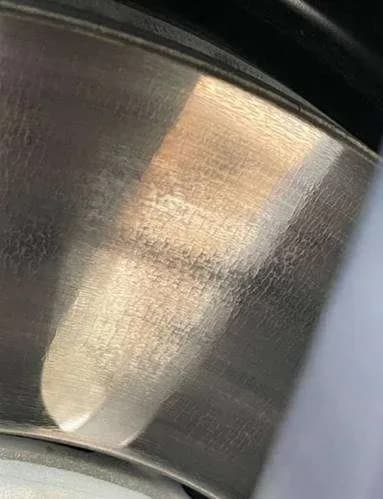
Also applies to
- Audi e-tron GT
- 2022–2026
- Audi RS e-tron GT
- 2022, 2023, 2024, 2026
Owners of 2022-2026 Audi e-tron GT and Audi RS e-tron GT models may observe fine surface cracks on their vehicle's brake discs. This condition, specifically affecting steel brakes with tungsten carbide coating, is addressed by Audi Technical Service Bulletin (TSB) 2065341/4. This bulletin provides crucial information, clarifying that these visible cracks are a normal operational characteristic and not a defect. The presence of Audi e-tron GT brake disc cracks is not a cause for concern regarding safety or performance.
The TSB, identified by Transaction No. 2065341/4, was most recently released on October 17, 2025, and has undergone several revisions to include additional model years. It is an informational bulletin intended to reassure owners and technicians that the presence of these cracks does not indicate a problem with the braking system.
Understanding the Condition: Audi e-tron GT Brake Disc Cracks
The brake discs in question feature a tungsten carbide coating on their friction surface, applied using a specialized manufacturing process. During vehicle operation, the hard metal layer (tungsten carbide) and the base disc material experience different temperatures and thermal expansions. To compensate for these varying expansions, a network of fine, surface cracks, referred to as 'relaxation cracks,' forms on the brake disc surface. These Audi e-tron GT brake disc cracks are a natural and expected characteristic of this advanced brake technology.
Audi confirms that these relaxation cracks are normal and have no negative impact on the functions or comfort of the brake system. They are purely a visual phenomenon resulting from the material properties and design of the tungsten carbide coated brake discs.
Symptoms Owners Might Observe
While the surface cracks themselves are a normal condition, owners might notice them when investigating other perceived brake-related issues. Common customer complaints that might lead to the observation of these cracks include:
- Appearance Concerns: Visible scoring, corrosion, or material detaching from the brake disc surface, which might be mistaken for damage.
- Perceived Wear: Concerns about
Frequently Asked Questions
- Are surface cracks on my Audi e-tron GT's brake discs a problem?
- No, according to Audi TSB 2065341/4, the surface cracks on tungsten carbide coated brake discs in 2022-2026 Audi e-tron GT models are normal 'relaxation cracks' and do not negatively impact the brake system's function or comfort. These Audi e-tron GT brake disc cracks are an expected characteristic.
- What causes these Audi e-tron GT brake disc cracks?
- These cracks are a result of different thermal expansion rates between the hard metal (tungsten carbide) layer and the base disc material during braking. They form as 'relaxation cracks' to compensate for these differences and are a natural characteristic of this brake technology.
- Do I need to replace my brake discs if I see these cracks?
- No, Audi Technical Service Bulletin 2065341/4 states that service is not applicable for this condition. These cracks are considered normal and do not require replacement or repair, nor are they covered under Audi Warranty for this specific condition.
- Which Audi e-tron GT models are affected by this informational bulletin?
- This bulletin applies to 2022-2026 Audi e-tron GT and Audi RS e-tron GT vehicles equipped with specific brake options identified by PR codes 1ZP, 1LY, or 1LZ, which indicate the presence of steel brakes with tungsten carbide coating.
- What should I do if my dealer suggests replacing the brake discs for these cracks?
- You can refer your dealer to Audi Technical Service Bulletin 2065341/4 (Transaction No. 2065341/4), which clarifies that these surface cracks are a normal condition and do not warrant repair or replacement. This TSB is informational only and not applicable to any Audi Warranty for this specific condition.
Related Articles
2022-2026 Audi e-tron GT 12V Battery Discharged TSB 2075846/3
Audi Technical Service Bulletin 2075846/3 addresses a discharged 12V battery condition in 2022-2026 e-tron GT and RS e-tron GT vehicles, often accompanied by DTC P1D6C00. This TSB outlines a software update procedure to resolve the issue.
2025-2026 Audi e-tron GT Active Suspension Noise TSB
Audi has released Technical Service Bulletin 2080798/1 for 2025-2026 e-tron GT and RS e-tron GT models equipped with active suspension (PR code 1P8). It addresses noises heard when driving over bumps and outlines diagnostic procedures for technicians.
2026 Audi e-tron GT Roll Stabilization Configuration Aborted TSB
Audi Technical Service Bulletin 2080608/1 addresses an issue where roll stabilization configuration for diagnostic addresses 00D4 and 00D5 is aborted on 2026 Audi e-tron GT and RS e-tron GT vehicles. This TSB provides diagnostic steps for technicians.
2021-2026 Audi Ceramic Brake Repair Advisory
Audi has released a manufacturer communication, NHTSA ID 11027374, regarding ceramic brake repairs on various 2021-2026 Audi models. Technicians are required to contact the Technical Assistance Center (TAC) before proceeding with any brake service on vehicles equipped with ceramic brakes.
2022-2026 Audi e-tron GT C1399F0 Brake-In Mode TSB
Audi Technical Service Bulletin (TSB) 2063679/6 addresses Diagnostic Trouble Code (DTC) C1399F0 in 2022-2026 Audi e-tron GT, RS e-tron GT, and S e-tron GT models. This code indicates the vehicle is in a normal brake application mode for new or replaced brake components and typically requires no…
Leave a comment
Comments are moderated and may take a moment to appear. Only your first name and the initial of your last name are shown publicly.
Comments
Be the first to comment.