2021-2026 Audi Ceramic Brake Repair Authorization TSB
Audi Technical Service Bulletin 46 23 46 2034143/9 outlines the specific process for ceramic brake repairs on 2021-2026 Audi models, including contacting the Technical Assistance Center (TAC) and completing diagnostic steps before any parts replacement.
 Marcus Weber2026 Audi S e-tron GT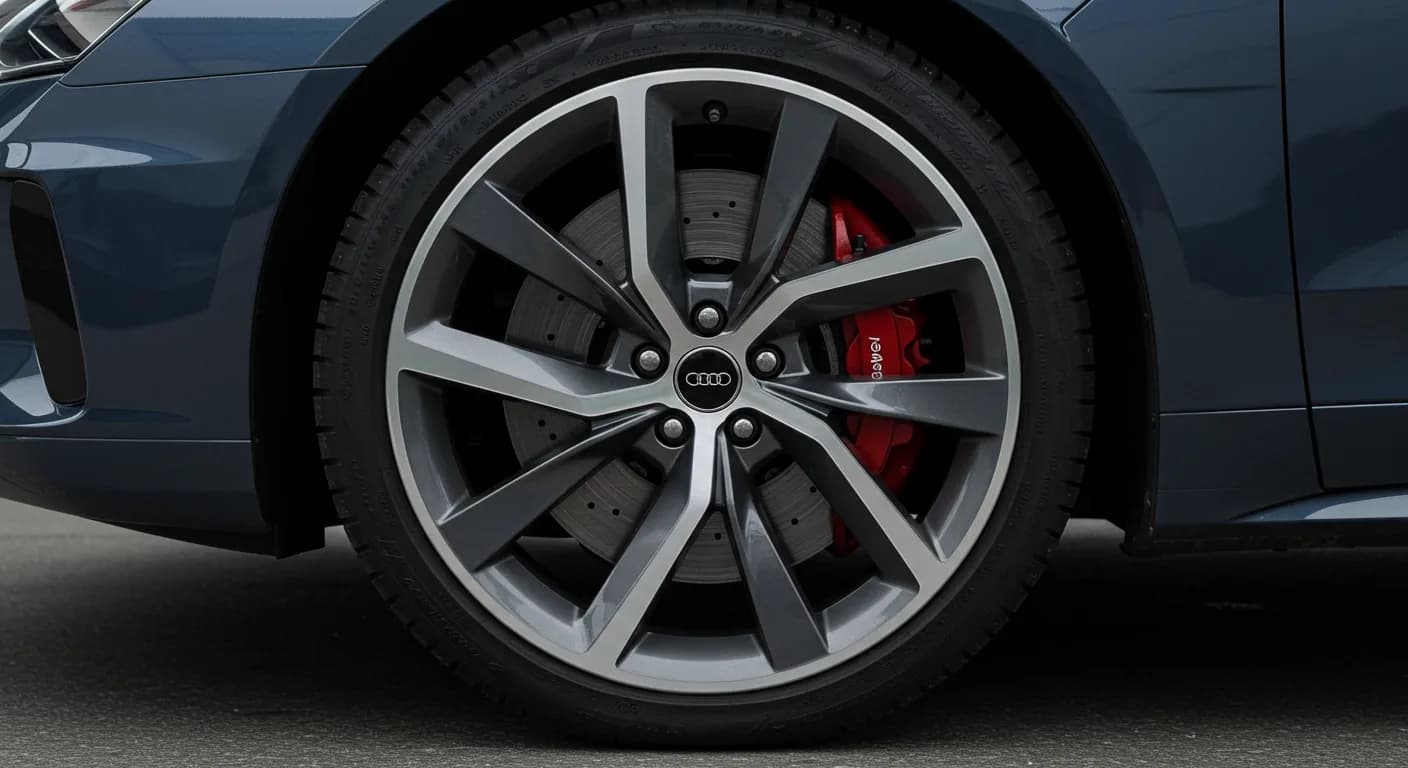
Also applies to
- Audi R8
- 2021–2023
- Audi RS 3
- 2022–2025
- Audi RS 5
- 2021–2025
- Audi RS 6 Avant
- 2021–2025
- Audi RS e-tron GT
- 2022–2024
- Audi RS Q8
- 2021–2025
- Audi S8
- 2021–2025
- Audi TT RS
- 2021–2022
▸ Show 2 more▾ Show fewer
Audi has issued Technical Service Bulletin (TSB) 46 23 46 2034143/9, titled "46 Repair Authorization - Ceramic brakes," to provide guidance for technicians handling repairs related to ceramic brakes on various high-performance models from 2021 to 2026. This TSB emphasizes a specific diagnostic and authorization process that must be followed for any Audi ceramic brake repair.
This bulletin, dated June 20, 2023, supersedes an earlier TSB, Group 46 number 22-35, from October 19, 2022. The primary purpose of TSB 46 23 46 2034143/9 is to ensure proper diagnosis and authorization for ceramic brake repairs, as no specific production issue has been identified with these components.
What This TSB Addresses
This Technical Service Bulletin outlines a mandatory procedure for technicians when addressing concerns with ceramic brakes. It is not a recall for a defect but rather a directive to gather comprehensive information before performing any repairs. The goal is to assist the Audi Technical Assistance Center (TAC) in diagnosing potential issues and determining the root cause of any reported condition related to the ceramic brakes.
Symptoms
While the TSB does not list specific fault codes, it primarily addresses general repair authorization for ceramic brakes. A key symptom highlighted is a "noise-related" concern. If an owner experiences unusual noises or other performance issues with their vehicle's ceramic brakes, this TSB dictates the diagnostic path the dealership must follow.
Diagnosis and Pre-Repair Process
Before any parts are replaced for an Audi ceramic brake repair, technicians are required to follow a detailed process to diagnose the issue thoroughly. This involves several critical steps:
- Verify the Concern: The technician must first confirm the customer's reported issue with the ceramic brakes.
- Brake Acoustic Questionnaire: If the vehicle is still within its New Vehicle Limited Warranty period, a specific brake acoustic questionnaire must be completed.
- Sound Recording and Frequency Analysis: For noise-related concerns, a sound recording of the issue is mandatory. This recording must be accompanied by a frequency analysis, following the guidelines provided in TSB 2051095: 46 Audi frequency analysis.
- TAC Ticket Submission: The completed questionnaire and the sound recording must be attached to a Technical Assistance Center (TAC) ticket. This ticket serves as a formal request for assistance and authorization from Audi's technical experts.
- TAC Consultant Contact: Technicians are explicitly instructed to contact a TAC consultant before proceeding with any actual repairs or part replacements. This ensures that expert guidance is obtained and that the repair strategy is approved.
Important Warnings and Warranty Information
Owners should be aware of specific conditions related to this TSB:
- No Production Issue Identified: Audi states that no changes to production have been made as no issue has been identified with the ceramic brakes themselves. This TSB focuses on the diagnostic process for any repair.
- Warranty Coverage: This TSB is for informational purposes only and is not covered by any Audi warranty. This means that diagnostic and repair costs for ceramic brake issues may not be covered under standard warranty terms, potentially impacting owners financially.
- Do Not Replace Parts Prematurely: The technical background explicitly states that technicians should contact the Audi Technical Assistance Center (TAC) before replacing any parts. This prevents unnecessary replacements and ensures proper diagnosis.
Superseded Bulletins
This current Technical Service Bulletin, 46 23 46 2034143/9, updates and replaces previous guidance. It supersedes Technical Service Bulletin Group 46 number 22-35, which was dated October 19, 2022. The revisions included updated header information and added model years to the scope of affected vehicles.
Additional Information for Technicians
Technicians are reminded that all parts and service references provided in TSB 2034143 are subject to change. They should always consult their Parts Department and/or ETKA for the latest information and check the Repair Manual for specific fastener requirements during any Audi ceramic brake repair.
Source: NHTSA ID: 10238213, Manufacturer Communication TSB 46 23 46 2034143/9
Frequently Asked Questions
- What is Audi TSB 46 23 46 2034143/9 about?
- Audi TSB 46 23 46 2034143/9 provides a mandatory procedure for technicians to follow when diagnosing and authorizing repairs for ceramic brakes on specific 2021-2026 Audi models. It ensures proper steps are taken before any parts are replaced.
- Does this TSB mean there's a defect with Audi ceramic brakes?
- No, the TSB explicitly states that no changes to production have been made and no issue has been identified. This bulletin is a procedural guide for handling any ceramic brake repair, not a recall for a known defect.
- Is an Audi ceramic brake repair covered under warranty?
- According to the TSB, this information is for technicians only and is not covered by any Audi warranty. Owners should discuss potential costs with their dealership.
- What steps must a technician take for a ceramic brake repair under this TSB?
- For a ceramic brake repair, especially if noise-related, the technician must verify the concern, complete a brake acoustic questionnaire (if under warranty), obtain a sound recording with frequency analysis (per TSB 2051095), attach these to a TAC ticket, and contact an Audi Technical Assistance Center consultant before performing any repairs.
Related Articles
2022-2026 Audi e-tron GT 12V Battery Discharged TSB 2075846/3
Audi Technical Service Bulletin 2075846/3 addresses a discharged 12V battery condition in 2022-2026 e-tron GT and RS e-tron GT vehicles, often accompanied by DTC P1D6C00. This TSB outlines a software update procedure to resolve the issue.
2025-2026 Audi e-tron GT Active Suspension Noise TSB
Audi has released Technical Service Bulletin 2080798/1 for 2025-2026 e-tron GT and RS e-tron GT models equipped with active suspension (PR code 1P8). It addresses noises heard when driving over bumps and outlines diagnostic procedures for technicians.
2026 Audi e-tron GT Roll Stabilization Configuration Aborted TSB
Audi Technical Service Bulletin 2080608/1 addresses an issue where roll stabilization configuration for diagnostic addresses 00D4 and 00D5 is aborted on 2026 Audi e-tron GT and RS e-tron GT vehicles. This TSB provides diagnostic steps for technicians.
2021-2026 Audi Ceramic Brake Repair Advisory
Audi has released a manufacturer communication, NHTSA ID 11027374, regarding ceramic brake repairs on various 2021-2026 Audi models. Technicians are required to contact the Technical Assistance Center (TAC) before proceeding with any brake service on vehicles equipped with ceramic brakes.
2022-2026 Audi e-tron GT C1399F0 Brake-In Mode TSB
Audi Technical Service Bulletin (TSB) 2063679/6 addresses Diagnostic Trouble Code (DTC) C1399F0 in 2022-2026 Audi e-tron GT, RS e-tron GT, and S e-tron GT models. This code indicates the vehicle is in a normal brake application mode for new or replaced brake components and typically requires no…
Leave a comment
Comments are moderated and may take a moment to appear. Only your first name and the initial of your last name are shown publicly.
Comments
Be the first to comment.