2008-2025 Audi Textile Seat Cover Damage Assessment TSB
Audi has released TSB 2071893/2 providing guidelines for assessing damage to textile seat covers in 2008-2025 models. Understand which issues like fluffing, knotting, or surface greying are warrantable and how to address non-warrantable damage. Protect your warranty.
 Ahmet Topcu2024 Audi Q8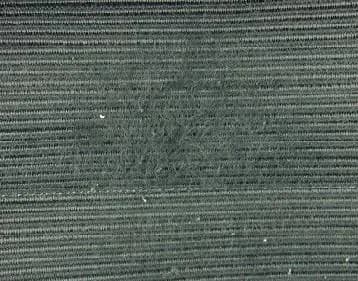
Also applies to
- Audi A3
- 2022–2025
- Audi A4
- 2021–2025
- Audi A4 allroad
- 2021–2025
- Audi A5
- 2021–2024
- Audi A6
- 2021–2025
- Audi A6 allroad
- 2021–2025
- Audi A7
- 2021–2025
- Audi A7 e
- 2021–2022
- Audi A8 L e
- 2021
- Audi Q3
- 2021–2025
- Audi Q5
- 2021–2025
- Audi Q5 e
- 2021, 2023, 2024, 2025
- Audi Q7
- 2021–2025
- Audi Q8
- 2021, 2022, 2023, 2025
- Audi R8
- 2021–2023
- Audi RS 3
- 2022–2024
- Audi RS 5
- 2021–2024
- Audi RS 6 Avant
- 2021–2025
- Audi RS 7
- 2021–2025
- Audi RS Q8
- 2021–2025
- Audi S3
- 2022–2025
- Audi S4
- 2021–2025
- Audi S5
- 2021–2024
- Audi S6
- 2021–2025
- Audi S7
- 2021–2025
- Audi S8
- 2021–2025
- Audi SQ5
- 2021–2025
- Audi SQ7
- 2021–2025
- Audi SQ8
- 2021–2025
- Audi TT
- 2021–2023
- Audi TT RS
- 2021–2022
- Audi TTS
- 2021–2023
▸ Show 26 more▾ Show fewer
Audi has issued Technical Service Bulletin (TSB) 2071893/2 to provide comprehensive guidelines for assessing various types of damage that can occur on textile seat covers in Audi vehicles from model years 2008 to 2025. This TSB, titled "74 Damage assessment guidelines for textile seat covers," helps technicians and owners understand the nature of different seat cover complaints and determine if they are eligible for warranty coverage.
This TSB, identified as 2071893/2, was released on April 14, 2025. It aims to standardize the evaluation of textile seat cover issues across all Audi models equipped with such upholstery.
Revision History
This Technical Service Bulletin has undergone revisions to ensure accuracy and comprehensive coverage:
- Revision 2: Updated the header to include additional models and model years, and revised the condition verbiage for clarity.
- Revision 1: Initial publication of the bulletin on October 25, 2023.
Symptoms of Textile Seat Cover Damage
Owners of 2008-2025 Audi models with textile seat covers may observe various types of damage, affecting the seat surface, backrest cover, and armrests in the first, second, and third rows. The TSB categorizes these complaints as follows:
- Frayed surfaces: The textile material appears worn with loose threads, described as "appearance, surface -> frayed."
- Weaving flaws: Irregularities or imperfections in the fabric's weave, noted as "appearance, surface -> weaving flaw."
- Leather grain flawed: For seat covers with a leather-like texture, imperfections in the grain may appear, described as "appearance, surface -> leather grain flawed."
- Stitching defects: Issues with the seams or connections of the seat covers, categorized as "connections -> stitching defect."
- Wavy surfaces: The fabric appears uneven or rippled, referred to as "appearance, surface -> wavy."
- Fluffing: Fibers protrude from the upholstery fabric, creating a fur-like appearance, or forming matted fibers and knots, typically 5-10 mm long.
- Pulled threads: Single or multiple threads are pulled out from the fabric, appearing as individual strands or loops.
- Knotting: Small fiber knots that are firmly attached to the surface of the textile.
- Surface greying or lightening: The surface color appears faded or lighter in certain areas, often due to spliced fiber ends.
- Damaged by automotive fluids: Instances where the seat cover component is damaged by automotive fluids, described as "component, automotive fluids -> damaged."
Damage Assessment Guidelines and Warranty Information
Audi's TSB 2071893/2 provides clear guidelines for classifying damage patterns on seat covers and determining their warrantability. It's important for owners to understand these distinctions when seeking repairs. All the damage listed can be amplified by pronounced contours, such as those found in sports seats.
1. Fur-like Fluffing of the Textile Surface / Pulled Threads
Description: Fibers protrude from the upholstery fabric like fur, or long fibers become matted and form knots (5-10 mm). This also includes single or multiple threads protruding as a single thread or a loop.
Possible Causes: This type of damage is often attributed to customer misuse, such as:
- Open Velcro fasteners chafing against the fabric.
- Cleaning with hard brushes.
- Chafing from rough bottoms of baskets or boxes.
- Mechanical damage from sharp-edged, pointed objects.
- Incorrect cleaning agents or methods.
Warrantability: These are not warrantable defects and cannot be claimed under warranty. The TSB explicitly states that such issues, including those caused by chafing with Velcro, cleaning with a brush, pushing boxes or wicker baskets, or mechanical damage from cleaning, are not covered.
2. Internal or External Knotting
Description: Small fiber knots that are firmly attached to the surface of the textile. This occurs when short fibers are pulled out of the textile due to insufficient wear resistance of the upholstery material (internal knotting) or from external fibers like customer clothing (external knotting).
Possible Causes: Primarily due to the inherent wear characteristics of the fabric not meeting specifications.
Warrantability: These complaints may be claimed under the normal warranty if applicable. For minor knotting, the TSB suggests removing the knots with a dry safety razor.
3. Surface Greying or Lightening
Description: Fading or greying of the surface, characterized by spliced fiber ends. This can easily be mistaken for dirt.
Possible Causes: This is also caused by insufficient wear characteristics of the upholstery material, where individual fibers are chafed or damaged but not pulled out. It typically appears on prominent, heavily used areas of the seat.
Warrantability: These complaints may be claimed under the normal warranty if applicable.
Owner Action and Maintenance
If you observe "Audi textile seat cover damage" such as knotting or surface greying/fading, it is advisable to contact an authorized Audi dealer for inspection. For non-warrantable issues like fluffing or pulled threads, understanding the causes can help prevent future occurrences.
To maintain your textile seat covers, Audi recommends cleaning them with a neutral cleaner and a soft cloth. Always check the Repair Manual for specific cleaning and care instructions for your vehicle.
Important Considerations
This TSB (2071893/2) is informational and provides guidelines for existing warranty coverage rather than establishing new warranty terms. All part and service references are subject to change, and it is recommended to check with your Parts Department or ETKA for the latest information.
Source: NHTSA ID: 10258284
Gallery
16 images
Frequently Asked Questions
- What is Audi TSB 2071893/2 about?
- Audi TSB 2071893/2 provides detailed guidelines for assessing various types of damage to textile seat covers in 2008-2025 Audi models. It helps determine which issues, such as fluffing, knotting, or surface greying, are covered under the normal warranty.
- Is 'fluffing' on my Audi's textile seat covers covered under warranty?
- According to Audi TSB 2071893/2, 'Fur-like fluffing of the textile surface / pulled threads' caused by customer misuse (e.g., Velcro, hard brushes, chafing from rough objects) are generally 'not warrantable defects and cannot be claimed under warranty.' These issues are typically considered external damage.
- What should I do if my Audi's seat covers have 'knotting' or 'surface greying'?
- If your Audi's textile seat covers exhibit 'Internal or external knotting' or 'Surface greying or lightening,' these issues 'may be claimed under the normal warranty if applicable.' For knotting, the TSB suggests removing them with a dry safety razor. For any warrantable damage, it is recommended to consult an authorized Audi dealer for inspection and potential repair.
- How can I prevent damage to my Audi's textile seat covers?
- To prevent non-warrantable damage like fluffing and pulled threads, avoid using open Velcro fasteners, hard brushes for cleaning, and prevent rough objects from chafing against the seat covers. For general maintenance, Audi recommends cleaning seat covers with a neutral cleaner and a soft cloth.
Related Articles
2023-2025 Audi MMI Emergency Call Fault Software Update
Audi has released Technical Service Bulletin 2079680/3 to address MMI function problems and 'Emergency call fault' messages in 2023-2025 Audi Q7, Q8, A6, A7, A8, and other models. A software update is available.
2024-2025 Audi Bluetooth / Smartphone Interface Connection Issue
Audi has identified a software issue causing slow Bluetooth and smartphone interface connections in certain 2024-2025 models. A solution is expected by Q2 2026, and component replacement is not recommended as it will not resolve the problem.
2024-2025 Audi MIB3: No Tiles in Main Menu, Phone Controls Not Working
This Technical Service Bulletin (TSB 2080958/2) addresses an issue in 2024-2025 Audi vehicles equipped with the MIB3 infotainment system where owners may find 'no tiles in main menu' or encounter a phone menu with 'controls are not working'. A software update is available.
2024-2025 Audi MMI Connectivity and Infotainment TSB
Audi Technical Service Bulletin 2079416/4 provides an overview of customer service packages for MLB and MQB vehicles with MIB3 systems, addressing common infotainment and connectivity complaints in 2024-2025 Audi models. Learn about diagnostic steps and related software updates.
2021-2025 Audi Q8/SQ8/RS Q8 Window Reversal TSB
If your 2021-2025 Audi Q8, SQ8, or RS Q8 window opens again after attempting to close it, Technical Service Bulletin 2080696/1 details a software issue. This TSB addresses the diagnostic trouble code B148754 related to the window regulator and provides a software update.
Leave a comment
Comments are moderated and may take a moment to appear. Only your first name and the initial of your last name are shown publicly.
Comments
Be the first to comment.