2021-2023 Audi Hard Brake Pedal While Starting TSB
Audi has released Technical Service Bulletin 2055646/5 for 2021-2023 Audi models experiencing a 'hard brake pedal while attempting to start the vehicle'. This TSB outlines diagnosis and repair for issues related to the brake vacuum system, ensuring proper vehicle starting.
 Marcus Weber2023 Audi Q8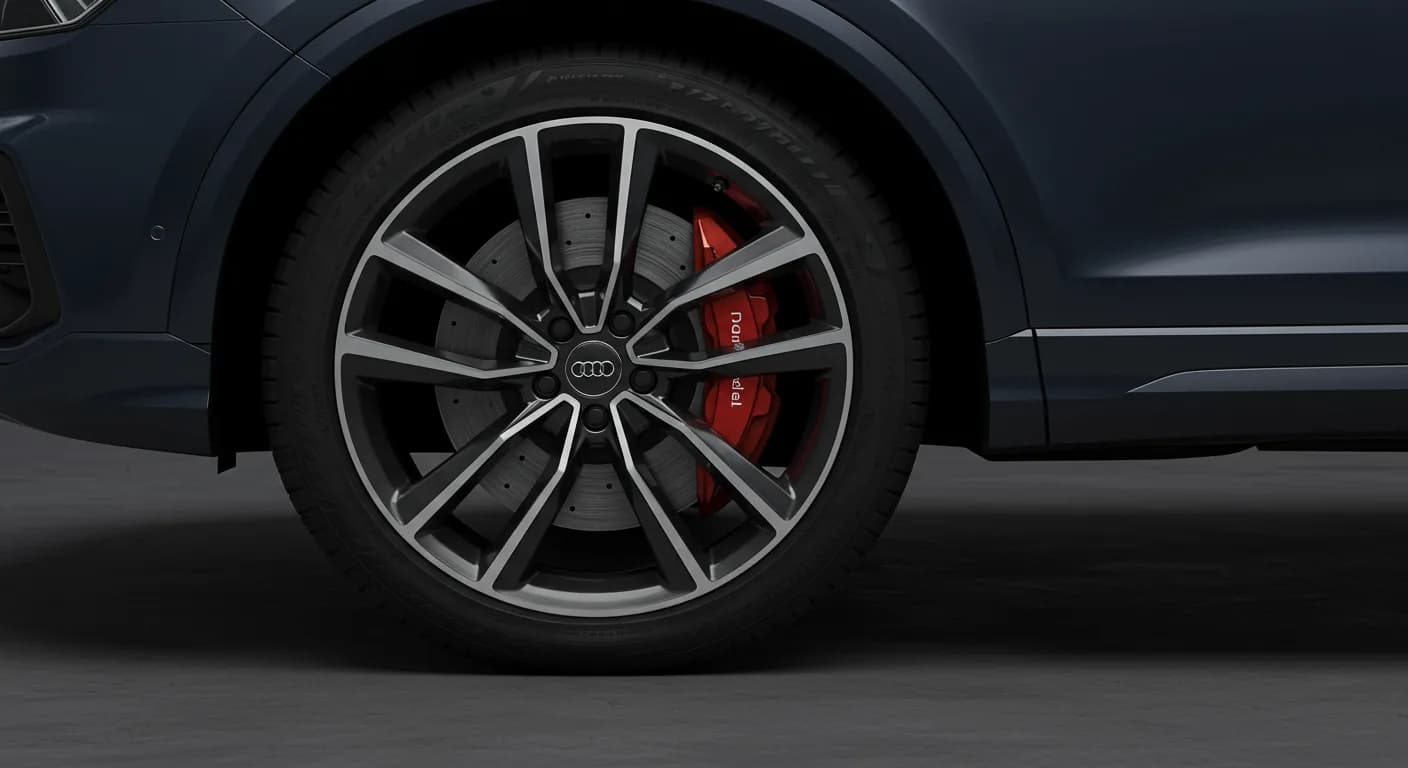
Also applies to
- Audi A4
- 2021
- Audi A4 allroad
- 2021
- Audi A5
- 2021
- Audi A6
- 2021
- Audi A6 allroad
- 2021
- Audi A7
- 2021
- Audi A7 e
- 2021
- Audi Q5
- 2021
- Audi Q7
- 2021–2023
- Audi Q8
- 2021–2022
- Audi RS 5
- 2021
- Audi RS 6 Avant
- 2021
- Audi RS 7
- 2021
- Audi RS Q8
- 2021–2023
- Audi S4
- 2021
- Audi S5
- 2021
- Audi S6
- 2021
- Audi S7
- 2021
- Audi SQ5
- 2021
- Audi SQ7
- 2021–2023
- Audi SQ8
- 2021–2023
▸ Show 15 more▾ Show fewer
Owners of various 2021-2023 Audi models may encounter a concerning issue where the vehicle exhibits a "Hard brake pedal while attempting to start the vehicle." This condition is addressed by Audi Technical Service Bulletin (TSB) 2055646/5, which supersedes previous bulletin 47 22-16. This TSB provides diagnostic and repair procedures for technicians to resolve the underlying cause of this problem.
The TSB specifically notes that "the vehicle sporadically does not start and there is a hard brake pedal concern" after a short stationary period. This can prevent the vehicle from starting because insufficient brake force is detected by the brake light switch, which is required for start authorization.
Symptoms
If you own a 2021-2023 Audi, you might experience the following:
- "Hard brake pedal while attempting to start the vehicle"
- "the vehicle sporadically does not start and there is a hard brake pedal concern."
These symptoms typically occur after the vehicle has been parked for some time, making it difficult to depress the brake pedal sufficiently to allow the engine to start.
Technical Background
The root cause of the Audi hard brake pedal starting issue is often attributed to dirt particles accumulating in the non-return valve located within the vacuum hose that connects to the brake servo. This contamination prevents the vacuum in the brake servo from being maintained effectively while the vehicle is parked.
Under normal operating conditions, the brake system should maintain a vacuum pressure of 600 to 950 mbar. However, with a compromised non-return valve, this vacuum can drop significantly, sometimes by as much as 400 mbar within 12 hours. This reduction in vacuum pressure leads to the hard brake pedal sensation, as the power assist for braking is diminished.
Diagnosis and Trigger Conditions
To diagnose the Audi hard brake pedal starting issue, technicians will focus on the brake vacuum system. The problem is most noticeable when attempting to start the vehicle after it has been stationary for a period, as the vacuum has had time to dissipate. Factors like the vehicle's parking position (e.g., on a slope) or specific user behavior can influence how quickly the vacuum drops.
Repair Procedure Summary
The repair procedure outlined in TSB 2055646/5 involves a thorough inspection and potential replacement of components within the brake vacuum system. Here's a summary of the steps:
- Component Inspection: Technicians will check the vacuum hose, sensor G608, connectors, seals, and valves for any signs of damage.
- Leak Detection: A detailed check for leaks will be performed according to the Elsa repair manual's section on "Brake System >> 47 Hydraulic Components >> Vacuum System."
- Crack Examination: The vacuum hose and its connection points to the check valves will be inspected for small cracks.
- Component Replacement: If any damages, cracks, or leaks are identified, the necessary components will be replaced following the procedures in the Elsa Repair Manual, specifically under "Brake System >> 47 Hydraulic Components >> Vacuum System."
This process ensures that the brake vacuum system can properly hold pressure, resolving the Audi hard brake pedal starting condition.
Required Parts and Tools
For this repair, technicians may need the following parts and tools:
- Vacuum hose with non-return valve and pressure sensor: Quantity 01 (refer to ETKA for specific part numbers).
- Fasteners, Bolts, Nuts, and Screws: As needed, per the repair manual (refer to ETKA/ELSA).
Specific labor operations associated with this TSB include "Vacuum hose remove + reinstall," "Brace remove + reinstall" (if applicable), and "Cowl panel trim remove + reinstall."
Warranty Information
Warranty claims for this issue fall under Claim Type 110 for vehicles up to 48 months or 50,000 miles. For Certified Pre-Owned (CPO) vehicles, Claim Type G10 applies, requiring owner verification. If the vehicle is outside these warranty parameters, this Technical Service Bulletin serves as informational guidance only. The Service Number for this TSB is 4777, with Damage Code 0010. All warranty claims must adhere to the Audi Warranty Policies and Procedures Manual.
What Owners Should Know
If your Audi is experiencing a hard brake pedal when trying to start, it is important to have it inspected by an authorized Audi service center. While this issue is not a recall, TSB 2055646/5 provides official guidance for technicians to diagnose and repair the problem. Addressing this promptly will restore normal vehicle starting functionality and brake pedal feel.
Source: NHTSA ID: 10245622
Frequently Asked Questions
- What does 'hard brake pedal while attempting to start the vehicle' mean for my Audi?
- This means that when you try to start your Audi, the brake pedal feels unusually stiff and difficult to press, which can prevent the car from starting. This is a known issue addressed by Audi TSB 2055646/5.
- Which Audi models are affected by the hard brake pedal starting issue?
- This issue primarily affects various 2021-2023 Audi models, including the Q7, A4, A4 allroad, S4, A5, A6, Q5, SQ5, RS 5, Q8, SQ7, SQ8, RS Q8, and others, as detailed in TSB 2055646/5.
- What causes the Audi hard brake pedal starting problem?
- The problem is typically caused by dirt particles in the non-return valve of the brake servo's vacuum hose. This prevents the brake system from maintaining adequate vacuum pressure when the vehicle is parked, leading to a hard brake pedal.
- How is the hard brake pedal issue repaired on my Audi?
- As per TSB 2055646/5, the repair involves inspecting the vacuum hose, sensor G608, and related components for damage or leaks. If issues are found, the affected parts, such as the vacuum hose with the non-return valve, will be replaced according to Audi's repair manual.
- Is the repair for the Audi hard brake pedal starting covered under warranty?
- Yes, for eligible vehicles, the repair may be covered under Audi's warranty, specifically for vehicles up to 48 months or 50,000 miles, or for Certified Pre-Owned (CPO) vehicles. You should check with your Audi dealer for specific coverage details.
Related Articles
2023-2026 Audi Frequency Analysis App TSB 2051095/11
Technical Service Bulletin 2051095/11 introduces the Audi Frequency Analysis app, a specialized diagnostic tool for technicians to accurately identify and address noise complaints in 2023-2026 Audi vehicles. This app helps pinpoint the source of various vehicle noises.
2021-2025 Audi Models Engine Control Module Software Update 53ZC
Audi has released Technical Service Bulletin 53ZC (WARR EXT – U82) to provide an Engine Control Module software update. This update optimizes engine oil pressure for various 2021-2025 Audi models, preventing potential issues.
2022-2025 Audi ECM Software Update 53ZC for Oil Pressure
Audi has issued Technical Service Bulletin 53ZC (WARR EXT – U82) for 2022-2025 Audi models, providing an Engine Control Module (ECM) software update. This proactive update optimizes engine oil pressure and is covered under a warranty extension.
2022-2025 Audi Models Engine Control Module Software Update
Audi has issued a dealer communication regarding a software update (UPDATE 53ZC / WARR EXT – U82) for the Engine Control Module in various 2022-2025 models. This update aims to optimize engine oil pressure and prevent potential piston wear. Owners should contact their dealer as no notification…
2022-2025 Audi Q8 Engine Control Module Update
Audi has released Technical Service Bulletin 53ZC, a proactive Engine Control Module (ECM) software update for 2022-2025 Audi Q8, Q7, A6, A7, S4, S5, SQ5, and A8 models. This update optimizes engine oil pressure to prevent potential piston wear and includes a U82 warranty extension.
Leave a comment
Comments are moderated and may take a moment to appear. Only your first name and the initial of your last name are shown publicly.
Comments
Be the first to comment.