2023-2026 Audi Vehicles Exterior Glass Cleaning TSB
Audi has issued Technical Service Bulletin 2020552/14 for 2023-2026 Audi vehicles to address windshield streaking, rough surfaces, and irregular wiping patterns. The TSB outlines a specific cleaning procedure using 3M products to remove industrial fallout and road grime.
 Marcus Weber2023 Audi e-tron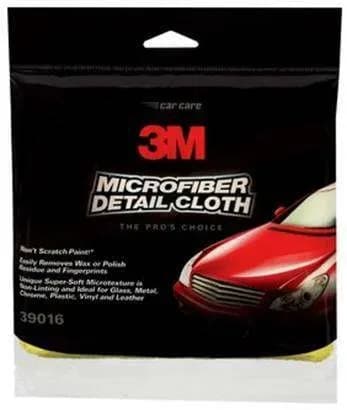
S'applique également à
- Audi A3
- 2022–2026
- Audi A4
- 2021–2025
- Audi A4 allroad
- 2021–2025
- Audi A5
- 2021–2024
- Audi A6
- 2021–2025
- Audi A6 allroad
- 2021–2026
- Audi A7
- 2021–2025
- Audi A7 e
- 2021–2022
- Audi A8 L e
- 2021
- Audi e-tron
- 2021–2022
- Audi e-tron GT
- 2022–2026
- Audi e-tron Sportback
- 2021–2022
- Audi Q3
- 2021–2025
- Audi Q5
- 2021–2025
- Audi Q5 e
- 2021, 2023, 2024, 2025
- Audi Q7
- 2021–2026
- Audi Q8
- 2021–2026
- Audi R8
- 2021–2023
- Audi RS 3
- 2022–2026
- Audi RS 5
- 2021–2024
- Audi RS 6 Avant
- 2021–2026
- Audi RS 7
- 2021–2026
- Audi RS e-tron GT
- 2022, 2023, 2024, 2026
- Audi RS Q8
- 2021–2026
- Audi S e-tron GT
- 2026
- Audi S3
- 2022–2026
- Audi S4
- 2021–2025
- Audi S5
- 2021–2024
- Audi S6
- 2021–2025
- Audi S7
- 2021–2025
- Audi S8
- 2021–2026
- Audi SQ5
- 2021–2025
- Audi SQ7
- 2021–2026
- Audi SQ8
- 2021–2026
- Audi TT
- 2021–2023
- Audi TT RS
- 2021–2022
- Audi TTS
- 2021–2023
▸ Afficher 31 de plus▾ Afficher moins
Symptoms
Owners of affected Audi vehicles may observe several issues related to exterior glass, particularly the windshield. These symptoms include:
- Streaked windshield: Visible lines or smudges that impair visibility, especially in certain lighting conditions.
- Snakeskin appearance: The windshield surface may develop a textured or patterned look, resembling snakeskin.
- Rough surface: The glass may feel coarse or gritty to the touch, rather than smooth.
- Irregular wiping pattern: Wiper blades may not clear the windshield effectively, leaving behind uneven streaks or uncleared areas.
- Damaged wiper blade: While the TSB focuses on cleaning, an underlying issue might be perceived as a damaged wiper blade due to poor performance.
These conditions can significantly affect driving visibility and overall vehicle aesthetics.
Diagnosis / Trigger Conditions
Audi has identified the root cause of these exterior glass issues as the accumulation of residue. This residue can originate from various sources, including industrial fallout and normal road dirt and grime. Over time, these contaminants bond to the glass surface, leading to the streaked, rough, or snakeskin-like appearance. The TSB clarifies that this is a cleaning issue, not a manufacturing defect, and provides a detailed procedure for effective Audi e-tron glass cleaning.
Repair Procedure Summary
The TSB outlines a comprehensive 10-step cleaning procedure to restore the clarity and smoothness of the exterior glass. This process is crucial to perform and verify before considering wiper blade replacement, as warranty claims for new blades may be rejected if a defect isn't found.
- Initial Wash: All affected exterior glass surfaces should be thoroughly washed and dried.
- Wiper Service Position: Place the windshield wipers in their service position, as shown in Figure 1, to allow full access to the windshield and blades.
- Clean Wiper Blades: Use a household glass cleaner (such as Windex® or 3M™ Glass Cleaner) to clean any residue from the wiper blades (Figure 2). It's important not to use the 3M™ Glass Polishing Compound on the wiper blades themselves.
- Prepare Compound: Shake the bottle of 3M™ Glass Polishing Compound (Figure 3) to ensure the product is mixed evenly.
- Apply Compound: Apply the 3M™ Glass Polishing Compound directly to the outside of the windshield, covering both the driver and passenger sides (Figure 4).
- Polish Glass: Using a clean, dry 3M™ Microfiber Detail Cloth - Yellow (Figure 5), vigorously clean the windshield with long, horizontal strokes (Figure 6). Take care to avoid applying the polishing compound to the window trim.
- Drying Time: Allow the compound to dry on the windshield until a fine film or haze forms. Drying time can vary based on ambient temperatures; temperatures of 60°F (15°C) or lower may extend the required drying time.
- Rinse: Use a garden hose to thoroughly rinse the windshield (Figure 7). Also, rinse off any polishing product that may have inadvertently come into contact with the trim.
- Final Buff: With a separate clean, dry microfiber cloth, dry and buff the glass to achieve a clean, streak-free shine (Figure 8).
- Trim Wipe: Finally, wet and wring out a microfiber cloth with warm water. Use this to wipe off any remaining residue that made contact with the trim or rubber seals.
This detailed process ensures thorough Audi e-tron glass cleaning and addresses the root cause of the symptoms.
Required Tools or Parts
To perform the recommended exterior glass cleaning procedure, specific products are required:
- 3M™ Glass Polishing Compound (Part Number: 60150): Quantity 01. This specialized compound is essential for removing stubborn residue from the glass surface.
- 3M™ Microfiber Detail Cloth - Yellow (Part Number: 39016): Quantity 01. A high-quality microfiber cloth is needed for effective polishing and buffing without scratching the glass.
Both of these items can be ordered through the Audi Top Service Supplies & Touch Up Paint eStore. Additionally, household glass cleaner (like Windex® or 3M™ Glass Cleaner) and a garden hose will be needed.
Owner Action
If you are experiencing a streaked, rough, or snakeskin-like windshield on your 2023-2026 Audi vehicle, it is recommended to address this issue. While the TSB is informational and not applicable to any Audi Warranty, owners can either perform the detailed cleaning procedure themselves using the specified products or visit an authorized Audi service center. The service center will have the necessary tools and expertise to perform the exterior glass cleaning according to the TSB guidelines.
NHTSA ID: 11025322
Galerie
7 images
Frequently Asked Questions
- What is Audi TSB 2020552/14 about?
- Audi TSB 2020552/14 provides a detailed procedure for cleaning exterior glass surfaces on various 2023-2026 Audi models to address issues like streaking, a snakeskin appearance, or rough windshields caused by environmental residue.
- What causes the 'snakeskin appearance' on my Audi's windshield?
- The 'snakeskin appearance' and other glass imperfections are typically caused by the accumulation of industrial fallout, road dirt, and grime on the windshield surface. TSB 2020552/14 outlines a cleaning process to remove these contaminants.
- Can I perform the Audi e-tron glass cleaning procedure myself?
- Yes, the TSB describes a step-by-step cleaning procedure that can be performed by owners. It requires specific products like 3M™ Glass Polishing Compound (Part Number 60150) and 3M™ Microfiber Detail Cloth (Part Number 39016), along with common household cleaning supplies.
- Is the exterior glass cleaning covered under Audi warranty?
- According to TSB 2020552/14, this bulletin is informational only and the exterior glass cleaning procedure is not applicable to any Audi Warranty. Owners may be responsible for the cost of parts and labor if performed at a dealership.
Related Articles
Should 2023 Audi e-tron Owners Worry? Recall & TSB Roundup
The 2023 Audi e-tron faces significant safety concerns, including recalls for potential brake pedal detachment and charging cable overheating. Owners have also reported serious issues like unintended acceleration and electrical system malfunctions. This guide covers all known problems and solutions.
2023 Audi e-tron Brake Pedal Recall
Audi has issued a recall (NHTSA ID: 26V240000, Audi Recall 46P7) for certain 2019-2024 E-Tron and 2020-2024 E-Tron Sportback vehicles, including the 2023 Audi e-tron. The recall addresses a potential issue where the brake pedal may detach from the brake booster, leading to a loss of brake function.
2015-2027 Audi Noise Diagnosis with Frequency Analysis App TSB
Audi has released Technical Service Bulletin 2051095/11 detailing the Audi Frequency Analysis app. This app helps technicians diagnose noise complaints more precisely across 2015-2027 Audi models. Learn how the app works, where to download it, and its features for effective vehicle noise analysis.
2023 Audi e-tron AC/DC Charging Not Possible TSB
This manufacturer communication (NHTSA ID 11031035) provides critical information for 2023 Audi e-tron owners facing issues with AC/DC charging. It specifically highlights problems linked to software version 00C6: 0093/3119, which can prevent the vehicle from charging.
2023-2025 Audi Rear Seat Reminder Message TSB 2074943/2
Audi Technical Service Bulletin 2074943/2 explains the instrument cluster message 'Please check rear seats and be aware of door safelock' in various 2023-2025 Audi models. This informational TSB details the rear occupant detection system designed to prevent children and pets from being left in…
Leave a comment
Comments are moderated and may take a moment to appear. Only your first name and the initial of your last name are shown publicly.
Comments
Be the first to comment.