2022-2026 Audi Exhaust Tailpipe Corrosion TSB 2042920/2
Audi has released Technical Service Bulletin 2042920/2 addressing corrosion, rust, or excessive dirt on exhaust tailpipes for various 2022-2026 models. Learn about the causes, recommended cleaning, and why warranty claims are not permitted for this issue.
 David Chen2022 Audi e-tron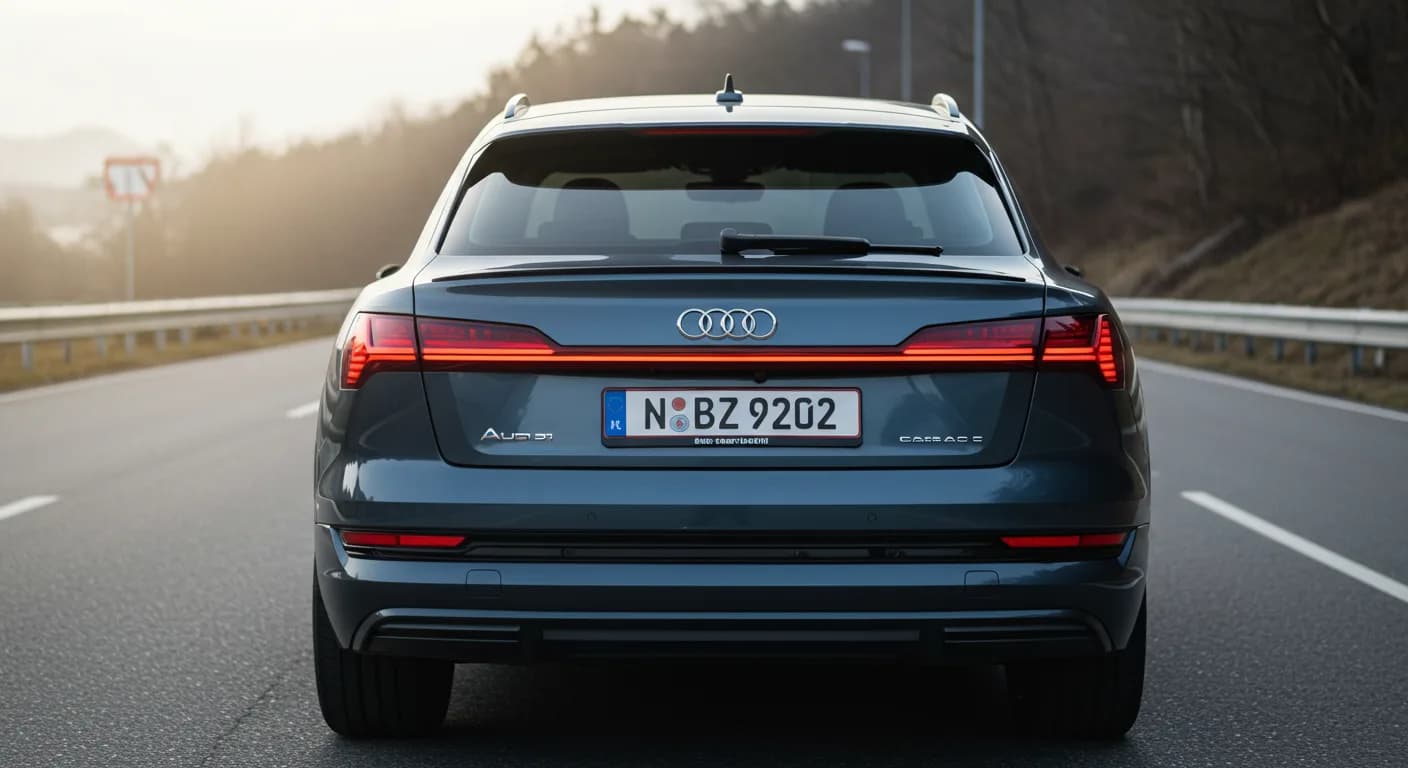
Also applies to
- Audi A3
- 2022–2025
- Audi A4
- 2021–2025
- Audi A4 allroad
- 2021–2025
- Audi A5
- 2021–2024
- Audi A6
- 2021–2025
- Audi A6 allroad
- 2021–2025
- Audi A7
- 2021–2025
- Audi A7 e
- 2021–2022
- Audi A8 L e
- 2021
- Audi e-tron
- 2021, 2023
- Audi e-tron GT
- 2022–2025
- Audi e-tron Sportback
- 2021–2022
- Audi Q3
- 2021–2025
- Audi Q5
- 2021–2025
- Audi Q5 e
- 2021, 2023, 2024, 2025
- Audi Q7
- 2021–2025
- Audi Q8
- 2021–2025
- Audi R8
- 2021–2023
- Audi RS 3
- 2022–2024
- Audi RS 5
- 2021–2024
- Audi RS 6 Avant
- 2021–2025
- Audi RS 7
- 2021–2025
- Audi RS e-tron GT
- 2022–2024
- Audi RS Q8
- 2021–2025
- Audi S e-tron GT
- 2026
- Audi S3
- 2022–2025
- Audi S4
- 2021–2025
- Audi S5
- 2021–2024
- Audi S6
- 2021–2025
- Audi S7
- 2021–2025
- Audi S8
- 2021–2025
- Audi SQ5
- 2021–2025
- Audi SQ7
- 2021–2025
- Audi SQ8
- 2021–2025
- Audi TT
- 2021–2023
- Audi TT RS
- 2021–2022
- Audi TTS
- 2021–2023
▸ Show 31 more▾ Show fewer
Owners of certain 2022-2026 Audi vehicles may notice their exhaust tailpipes exhibiting signs of corrosion, rust, or excessive dirt. This condition, often appearing as a flawed coating or contamination with soot, is addressed by Audi Technical Service Bulletin (TSB) 2042920/2.
Symptoms
Owners might observe several issues related to their vehicle's exhaust tailpipes. These include:
- Corrosion/Rust: The most common complaint, indicating a breakdown of the metal surface.
- Contamination (Dirty): Excessive dirt accumulation on the tailpipes.
- Contamination (Soot): Tailpipes appearing heavily soiled with soot.
- Coating Flawed: The surface coating of the tailpipes may look damaged or imperfect.
These symptoms can affect both the left and right exhaust tailpipe trims.
Technical Background
According to Audi, the primary cause of this Audi e-tron exhaust corrosion and contamination is prolonged exposure to road salt and other aggressive substances. When these materials adhere to the exhaust tailpipes for extended periods, they can damage the surface, leading to the observed dirtiness, rust, or coating flaws.
Repair Procedure Summary
Audi's guidance for this issue focuses on maintenance rather than a repair. The service procedure involves informing the customer that regular cleaning of the exhaust tailpipes is necessary. For effective cleaning, technicians are advised to use a specific industrial contamination remover or other suitable care products designed for stainless steel.
Required Tools or Parts
To address the Audi e-tron exhaust corrosion and related issues, Audi recommends the following:
- Part Number: ABS 600 000 10
- Part Description: Industrial contamination remover
- Quantity: 1
Alternatively, any care product suitable for stainless steel can be used for cleaning the tailpipes.
Owner Action
If you own an affected Audi vehicle and notice corrosion, rust, or excessive dirt on your exhaust tailpipes, the recommended action is regular cleaning. It is important to note that Audi states that claims for this condition under warranty or goodwill are not permitted and will be rejected. Therefore, owners are responsible for the cleaning and any associated costs. Using the recommended industrial contamination remover (Part No. ABS 600 000 10) or a suitable stainless steel cleaner will help maintain the appearance of your vehicle's exhaust components and prevent further Audi e-tron exhaust corrosion.
Source: NHTSA ID: 11020367
Frequently Asked Questions
- What causes corrosion on Audi exhaust tailpipes?
- Corrosion and excessive dirt on Audi exhaust tailpipes are primarily caused by prolonged exposure to road salt and other aggressive environmental substances, which can damage the surface finish.
- Is Audi exhaust tailpipe corrosion covered under warranty?
- No, according to Audi Technical Service Bulletin 2042920/2, claims for exhaust tailpipe corrosion or contamination are not permitted under warranty or goodwill and will be rejected.
- What should I use to clean my Audi's corroded exhaust tailpipes?
- Audi recommends using an industrial contamination remover, Part No. ABS 600 000 10, or any other care product specifically designed for cleaning stainless steel surfaces to address corrosion and dirt on your exhaust tailpipes.
Related Articles
2022 Audi e-tron Problems: Electrical System & Braking Concerns
The 2022 Audi e-tron has faced significant owner complaints regarding its electrical system, including sudden power loss and charging hazards, as well as various braking malfunctions. This profile details these issues and relevant service bulletins.
2022-2026 Audi Guided Fault Finding Reporting Obligation
Audi has issued Technical Service Bulletin TPI 2033392, also known as Transaction No. 2081531/1, regarding a reporting obligation for technicians when Guided Fault Finding produces an unexpected result. This TSB outlines the process for contacting Audi Product Support for diagnostic assistance.
2022-2026 Audi Infotainment System Complaints
Audi has released Technical Service Bulletin (TSB) 2081405/1 to address various customer complaints regarding infotainment systems in 2022-2026 Audi vehicles. This TSB helps technicians diagnose issues often caused by external media or mobile devices, rather than vehicle technology.
2018-2026 Audi Models Cracking Noise TSB 2061464/11
Audi Technical Service Bulletin 2061464/11 describes a cracking noise from the front or rear axle when changing direction in various 2018-2026 Audi models. The issue is due to stub axle movement and is resolved by bonding the stub axle to the wheel bearing with locking fluid.
2022-2026 Audi Parking Aid False Warnings TSB 2024323/13
Audi has released Technical Service Bulletin 2024323/13 to address customer complaints of false parking aid warnings. This bulletin details various environmental and vehicle-specific conditions that can cause the parking aid system to issue alerts even when no obstacles are present. It provides…
Leave a comment
Comments are moderated and may take a moment to appear. Only your first name and the initial of your last name are shown publicly.
Comments
Be the first to comment.