2023-2024 Audi Windshield Washer Hose Leak TSB
Audi Technical Service Bulletin 2065963/3 details repairs for corrugated windshield washer hoses in 2023-2024 Audi models. Leaks can cause diminished wash pressure, wet cabin carpets, solvent odor, and electrical malfunctions.
 David Chen2023 Audi e-tron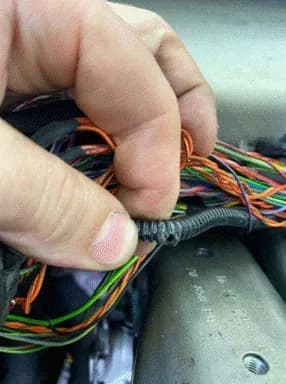
Também se aplica a
- Audi A3
- 2022–2024
- Audi A4
- 2021–2024
- Audi A4 allroad
- 2021–2024
- Audi A5
- 2021–2024
- Audi A6
- 2021–2024
- Audi A6 allroad
- 2021–2024
- Audi A7
- 2021–2024
- Audi A7 e
- 2021–2022
- Audi A8 L e
- 2021
- Audi e-tron
- 2021–2022
- Audi e-tron GT
- 2022–2024
- Audi e-tron Sportback
- 2021–2022
- Audi Q3
- 2021–2024
- Audi Q5
- 2021–2024
- Audi Q5 e
- 2021, 2023, 2024
- Audi Q7
- 2021–2024
- Audi Q8
- 2021–2024
- Audi R8
- 2021–2023
- Audi RS 3
- 2022–2024
- Audi RS 5
- 2021–2024
- Audi RS 6 Avant
- 2021–2024
- Audi RS 7
- 2021–2024
- Audi RS e-tron GT
- 2022–2024
- Audi RS Q8
- 2021–2024
- Audi S3
- 2022–2024
- Audi S4
- 2021–2024
- Audi S5
- 2021–2024
- Audi S6
- 2021–2024
- Audi S7
- 2021–2024
- Audi S8
- 2021–2024
- Audi SQ5
- 2021–2024
- Audi SQ7
- 2021–2024
- Audi SQ8
- 2021–2024
- Audi TT
- 2021–2023
- Audi TT RS
- 2021–2022
- Audi TTS
- 2021–2023
▸ Mostrar mais 30▾ Mostrar menos
Symptoms of a Windshield Washer Hose Leak
Owners of 2023-2024 Audi models, including the Audi e-tron, may experience several symptoms indicating a problem with the corrugated windshield washer hose. These issues stem from a leak within the cabin's washer system.
Common signs include:
- Diminished wash pressure when operating the windshield washer system.
- Wet carpeting inside the cabin.
- A noticeable odor of windshield washer solvent inside the cabin.
- Various malfunctions related to the electrical system, potentially due to solvent exposure.
The Cause: Ruptured Corrugated Hose
The root cause of these symptoms is a rupture in the corrugated windshield washer hose located inside the vehicle's cabin. This hose is often bundled with the wiring harness, making it susceptible to abrasion and damage. When the hose ruptures, windshield washer fluid can leak into the cabin, leading to the observed issues and potentially damaging electrical components. The TSB includes figures illustrating a ruptured hose and accompanying wiring abrasion.
Repair Procedure Summary
Audi Technical Service Bulletin 92 24 40 2065963/3 outlines the steps for diagnosing and repairing this issue. The process begins with thorough documentation of the damage.
- Damage Documentation: Technicians must take clear photos of the damaged hose, both from a distance and close-up. This documentation is then uploaded to Doc-IT.
- Hose Section Removal: After documentation, a 100 mm section of the damaged corrugated washer hose, encompassing 50 mm on each side of the rupture, is removed. This section is retained for potential return to the WPRC (Warranty Parts Return Center) to assist Audi in gathering additional information for their ongoing investigation.
- Elsa Repair Guidance: The detailed repair procedure for ruptured corrugated windshield washer hoses is found in the Elsa system. Technicians navigate through the path:
Electrical System >> Electrical Equipment General Information >> 92 Windshield Wiper/Washer System >> Washer Fluid Hoses >> Corrugated Hose Washer Fluid Line, Repairingfor specific instructions. - Component Identification: Repair components are identified using the vehicle's VIN and the ETKA parts catalog, which provides illustrations of the necessary parts, similar to Figure 3 in the TSB.
- Comprehensive Repair: All necessary repairs, including any damage to the wiring harness caused by the leak, must be completed.
This repair addresses the Audi e-tron windshield washer leak and related issues by replacing the compromised hose section and repairing any collateral damage.
Warranty Information
For vehicles still under warranty, claims for this repair should be submitted according to Audi's Warranty Policies and Procedures Manual. The service number for this repair is 9254, with a damage code of 0050. The labor operation for windshield washer system hose repair is 9254 4100, and it should be performed after access has been gained to the damage site. Diagnostic time (GFF) and road tests (prior to and after service) are listed as 0 TU (Technical Units) and are not subject to allowance. The claim comment should reference TSB 2065963/3.
Important Warnings
Audi notes that the investigation into the production solution for this issue is ongoing. Additionally, all part and service references within this TSB (2065963) are subject to change and/or removal. Technicians are advised to always verify the latest information and part bulletins with their Parts Department and/or ETKA before proceeding with any repairs.
Source: NHTSA ID: 11007270
Galeria
3 imagens
Frequently Asked Questions
- What are the common signs of a windshield washer hose leak in my 2023-2024 Audi?
- You might notice diminished wash pressure when using the windshield washer system, wet carpeting inside the cabin, an odor of windshield washer solvent, or various electrical system malfunctions.
- What causes the Audi e-tron windshield washer leak?
- The leak is typically caused by a rupture in the corrugated windshield washer hose located inside the cabin, often due to abrasion where it's bundled with the wiring harness.
- How does Audi address this windshield washer hose issue?
- Audi Technical Service Bulletin 92 24 40 2065963/3 outlines a repair procedure involving documenting the damage, removing a section of the hose for analysis, and following detailed repair steps in the Elsa system to replace the hose and fix any related wiring damage.
- Will I be charged for the repair of the corrugated windshield washer hose?
- If your 2023-2024 Audi is still under warranty, the repair should be covered. The TSB specifies labor operations and codes for warranty claims (Service Number 9254, Damage Code 0050).
Related Articles
Should 2023 Audi e-tron Owners Worry? Recall & TSB Roundup
The 2023 Audi e-tron faces significant safety concerns, including recalls for potential brake pedal detachment and charging cable overheating. Owners have also reported serious issues like unintended acceleration and electrical system malfunctions. This guide covers all known problems and solutions.
2023 Audi e-tron Brake Pedal Recall
Audi has issued a recall (NHTSA ID: 26V240000, Audi Recall 46P7) for certain 2019-2024 E-Tron and 2020-2024 E-Tron Sportback vehicles, including the 2023 Audi e-tron. The recall addresses a potential issue where the brake pedal may detach from the brake booster, leading to a loss of brake function.
2015-2027 Audi Noise Diagnosis with Frequency Analysis App TSB
Audi has released Technical Service Bulletin 2051095/11 detailing the Audi Frequency Analysis app. This app helps technicians diagnose noise complaints more precisely across 2015-2027 Audi models. Learn how the app works, where to download it, and its features for effective vehicle noise analysis.
2023 Audi e-tron AC/DC Charging Not Possible TSB
This manufacturer communication (NHTSA ID 11031035) provides critical information for 2023 Audi e-tron owners facing issues with AC/DC charging. It specifically highlights problems linked to software version 00C6: 0093/3119, which can prevent the vehicle from charging.
2023-2025 Audi Rear Seat Reminder Message TSB 2074943/2
Audi Technical Service Bulletin 2074943/2 explains the instrument cluster message 'Please check rear seats and be aware of door safelock' in various 2023-2025 Audi models. This informational TSB details the rear occupant detection system designed to prevent children and pets from being left in…
Leave a comment
Comments are moderated and may take a moment to appear. Only your first name and the initial of your last name are shown publicly.
Comments
Be the first to comment.