2021-2024 Audi Sunroof Seal Wind Noise and Leaks TSB
Owners of 2021-2024 Audi vehicles may encounter issues with their sunroof opening perimeter seal, leading to symptoms like wind noise, water leaks into the cabin, or a visibly distorted seal. Audi Technical Service Bulletin (TSB) 2063187/2 provides diagnostic and repair instructions for this…
 Marcus Weber2022 Audi e-tron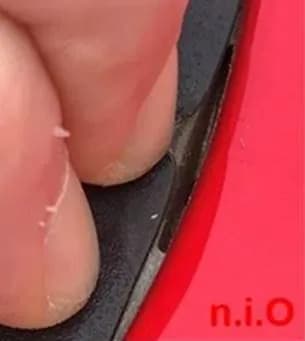
Also applies to
- Audi A4
- 2021–2024
- Audi A4 allroad
- 2021–2022
- Audi e-tron
- 2021, 2023
- Audi Q3
- 2021–2024
- Audi Q5
- 2021, 2023, 2024
- Audi Q5 e
- 2024
- Audi Q7
- 2021–2024
- Audi Q8
- 2021–2024
- Audi RS Q8
- 2021–2024
- Audi SQ5
- 2021–2024
- Audi SQ7
- 2021–2024
- Audi SQ8
- 2021–2024
▸ Show 6 more▾ Show fewer
Owners of 2021-2024 Audi vehicles, including the e-tron, Q3, Q5, Q7, Q8, A4, and SQ models, may experience issues related to a loose Audi e-tron sunroof seal. This Technical Service Bulletin (TSB) 2063187/2, issued by Audi on January 9, 2023, supersedes an earlier bulletin (21-53 dated May 7, 2021) and outlines the symptoms and repair procedures for this condition.
Symptoms
Audi owners have reported one or a combination of the following symptoms indicating a problem with the sunroof opening perimeter seal:
- They hear "wind noise in the roof area with the sunroof panel closed."
- They have seen "water drip from the headliner area."
- The "sunroof opening perimeter seal is distorted and/or not flush with the roof panel."
Technical Background
The root cause of these issues is often compromised or failed adhesion of the sunroof opening perimeter seal to the roof panel. Even a slight detachment can create an entry point for wind and water into the cabin. Any detachment found during inspection requires correction by replacing the sunroof opening perimeter seal.
Repair Procedure Summary
The repair procedure involves a thorough inspection and, if necessary, replacement of the sunroof opening perimeter seal. Here's a summary of the steps technicians will follow:
- Initial Inspection: The technician will fully open the front sunroof glass panel to begin inspecting the sunroof opening perimeter seal adhesion (as shown in Figure 1 of the TSB).
- Adhesion Check: Using their fingers, the technician will press the seal downwards and inwards to make the adhesive tape visible (Figure 2). They will check that the foam adhesive tape is not stretched, loose, or detached from the roof panel.
- Comprehensive Scan: This inspection process is repeated centimeter by centimeter along the entire length of the front sunroof opening. Once the front is complete, the front sunroof panel is closed.
- Rear Section Check: The same inspection principle is applied to the rear portion of the sunroof opening perimeter seal (Figure 4).
- Identify Detachment: Technicians look for clear evidence of adhesive detachment, which appears as gaps or obvious color and shape differences at the point of contact (Figures 5-8).
- Seal Replacement: If any compromised or failed adhesion is found, the sunroof opening perimeter seal must be replaced. The procedure in ElsaPro must be followed explicitly, with particular attention to adhesion surface preparation.
- Post-Replacement Adaptation: After reassembly, the sunroof panel and rollershade end stop adaptation must be set using the sunroof panel and rollershade switches. Refer to TSB 2054505 for detailed instructions on this step.
Required Tools or Parts
To perform this repair, specific materials and tools are required:
- Surface Preparation Solvent: D 00940104 (or equivalent, such as isopropyl alcohol).
- Adhesion Promoter: D 355205A2 (or equivalent, such as 3M™ 111 Adhesion Promoter or AC77 Adhesive Primer).
- Primer Applicator: D 00950025 (or equivalent).
- Hot Air Blower: VAS1978/14A.
- Roller: Tool number 3356.
Warranty Information
This TSB outlines the warranty coverage for the repair:
- Claim Type 110: Applicable for vehicles up to 48 months or 50,000 miles.
- Claim Type G10: For CPO (Certified Pre-Owned) Covered Vehicles, requiring owner verification.
- Out of Warranty: If the vehicle is outside any warranty, this Technical Service Bulletin is for informational purposes only, meaning the repair cost may not be covered.
The Service Number associated with this TSB is 6042. Labor operations for inspection include 6042 0199, and for seal removal/reinstallation, codes like 6042 1950 (for Q8, Q7, Q5, Audi e-tron quattro, and Audi e-tron Sportback) or 6042 1902 (for Q3) are used. Diagnostic time is GFF 0150 0000, and road tests (0121 0002, 0121 0004) are also covered.
Important Notes
- This TSB references other important documents: TSB 2054505, "60 Sunroof glass panel or sunroof rollershade do not operate," and TSB 2056944, "60 Water entry into cabin from the sunroof area." These may be necessary for a complete repair.
- All warranty claims must adhere to the Audi Warranty Policies and Procedures Manual.
NHTSA ID: 10230643
Gallery
4 images
Frequently Asked Questions
- What are the common signs of a loose Audi e-tron sunroof seal?
- The most common signs include hearing "wind noise in the roof area with the sunroof panel closed," noticing "water drip from the headliner area," or observing that the "sunroof opening perimeter seal is distorted and/or not flush with the roof panel."
- Which Audi models and years are affected by TSB 2063187/2?
- This Technical Service Bulletin applies to various 2021-2024 Audi models, including the e-tron, Q3, Q5, Q7, Q8, A4, and their Sportback, S, and RS variants. The full list of affected vehicles can be found in the NHTSA document.
- Is the repair for a loose Audi e-tron sunroof seal covered under warranty?
- Yes, the repair is typically covered under warranty for vehicles up to 48 months or 50,000 miles (Claim Type 110) and for CPO vehicles (Claim Type G10). If your vehicle is outside these warranty periods, the TSB serves as informational guidance, and repair costs may apply.
- What is the purpose of TSB 2063187/2?
- TSB 2063187/2 provides Audi technicians with detailed instructions for diagnosing and repairing issues related to a loose or detached sunroof opening perimeter seal. It ensures proper inspection, replacement procedures, and necessary post-repair adaptations to prevent wind noise and water leaks.
Related Articles
2022 Audi e-tron Problems: Electrical System & Braking Concerns
The 2022 Audi e-tron has faced significant owner complaints regarding its electrical system, including sudden power loss and charging hazards, as well as various braking malfunctions. This profile details these issues and relevant service bulletins.
2022-2026 Audi Guided Fault Finding Reporting Obligation
Audi has issued Technical Service Bulletin TPI 2033392, also known as Transaction No. 2081531/1, regarding a reporting obligation for technicians when Guided Fault Finding produces an unexpected result. This TSB outlines the process for contacting Audi Product Support for diagnostic assistance.
2022-2026 Audi Infotainment System Complaints
Audi has released Technical Service Bulletin (TSB) 2081405/1 to address various customer complaints regarding infotainment systems in 2022-2026 Audi vehicles. This TSB helps technicians diagnose issues often caused by external media or mobile devices, rather than vehicle technology.
2018-2026 Audi Models Cracking Noise TSB 2061464/11
Audi Technical Service Bulletin 2061464/11 describes a cracking noise from the front or rear axle when changing direction in various 2018-2026 Audi models. The issue is due to stub axle movement and is resolved by bonding the stub axle to the wheel bearing with locking fluid.
2022-2026 Audi Parking Aid False Warnings TSB 2024323/13
Audi has released Technical Service Bulletin 2024323/13 to address customer complaints of false parking aid warnings. This bulletin details various environmental and vehicle-specific conditions that can cause the parking aid system to issue alerts even when no obstacles are present. It provides…
Leave a comment
Comments are moderated and may take a moment to appear. Only your first name and the initial of your last name are shown publicly.
Comments
Be the first to comment.