2018-2023 Audi Seat Belt Hard to Latch in Buckle TSB
Audi has issued TSB 2063398/2 for 2018-2023 models addressing seat belts that are hard to latch or cannot be latched. The bulletin identifies foreign objects, sticky fluids, or mechanical damage from outside influence as common causes, noting these issues are not covered by warranty.
 David Chen2023 Audi e-tron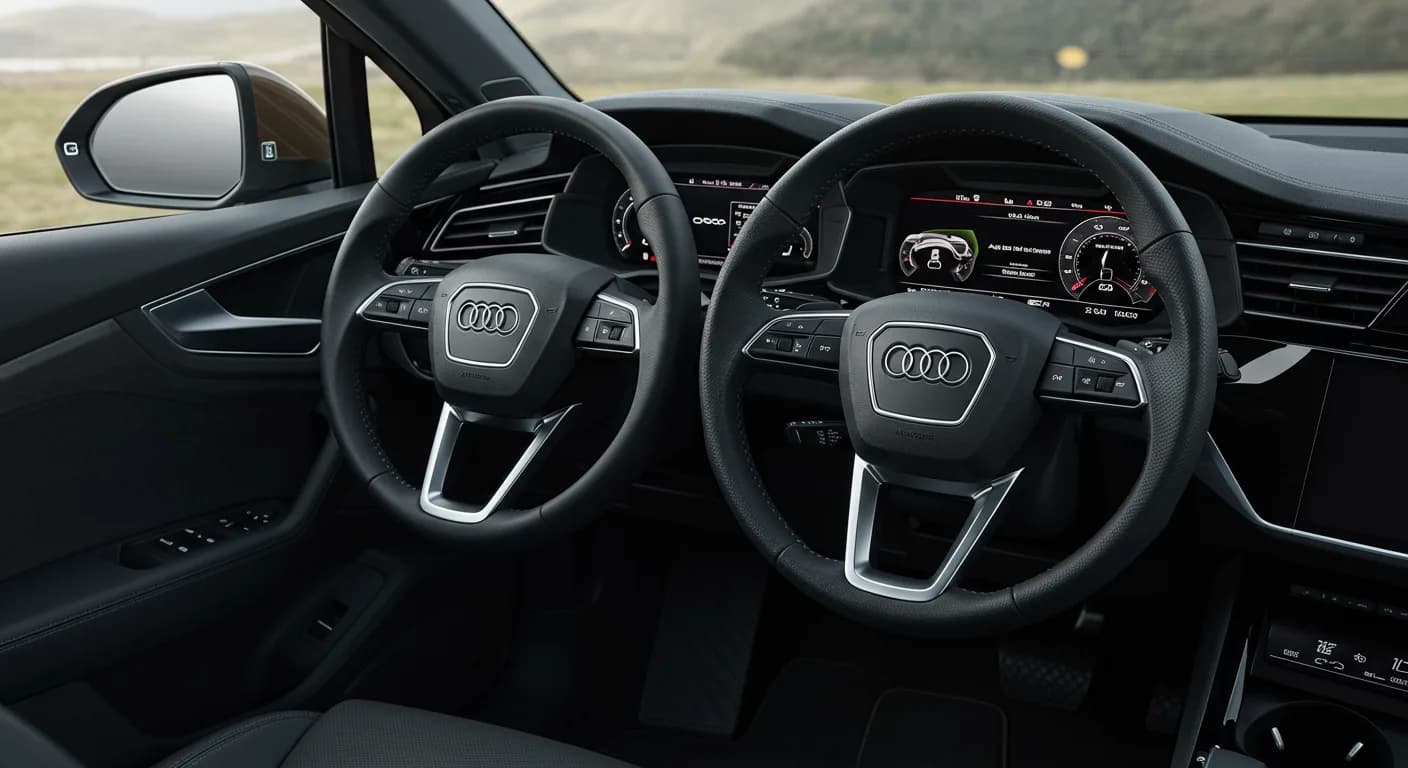
Also applies to
- Audi A3
- 2022–2023
- Audi A4
- 2021–2023
- Audi A5
- 2021–2023
- Audi A6
- 2021–2023
- Audi A6 allroad
- 2021
- Audi A7
- 2021–2023
- Audi A7 e
- 2021–2022
- Audi A8 L e
- 2021
- Audi e-tron
- 2021–2022
- Audi Q3
- 2021–2023
- Audi Q5
- 2021
- Audi Q7
- 2021–2023
- Audi Q8
- 2021–2023
- Audi R8
- 2021
- Audi RS 3
- 2022–2023
- Audi RS 5
- 2021–2023
- Audi RS 6 Avant
- 2021–2023
- Audi RS 7
- 2021–2023
- Audi RS Q8
- 2021–2023
- Audi S3
- 2022–2023
- Audi S4
- 2021–2023
- Audi S5
- 2021–2023
- Audi S6
- 2021–2023
- Audi S7
- 2021–2023
- Audi S8
- 2021–2023
- Audi SQ5
- 2021–2023
- Audi SQ7
- 2021–2023
- Audi SQ8
- 2021–2023
- Audi TT
- 2021–2023
- Audi TT RS
- 2021–2022
- Audi TTS
- 2021–2023
▸ Show 25 more▾ Show fewer
Audi has released Technical Service Bulletin (TSB) 69 21 72 2063398/2, superseding previous bulletin 21-66, to address concerns regarding seat belts that are hard to latch or cannot be latched in the belt buckle. This TSB applies to various 2018-2023 Audi models. The bulletin clarifies the common causes for this issue and outlines the diagnostic steps for technicians.
Symptoms
Owners of affected Audi vehicles may experience the following:
- "The seat belt is hard to latch or cannot be latched in the belt buckle."
Workshop findings confirm that this customer concern can be duplicated by technicians.
Diagnosis and Trigger Conditions
According to Audi's technical background, the primary reasons for an Audi seat belt hard to latch are external factors. Analysis of affected belt buckles frequently reveals evidence of outside influence.
Common culprits include foreign objects, sticky fluids, or damage caused by third parties. For instance, the use of a seat belt adapter, sometimes referred to as a "dummy clip," can lead to mechanical damage that prevents the belt buckle from latching properly.
Repair Procedure Summary
When diagnosing an Audi seat belt hard to latch, technicians are instructed to perform two key checks:
- Inspect for Foreign Objects and Fluids: The belt buckle should be thoroughly checked for any foreign objects or traces of fluid spills inside the mechanism. These can obstruct the latching process.
- Examine for Mechanical Damage: Technicians must look for mechanical damage to the belt buckle itself. This damage is often a result of outside influence, such as the improper use or removal of a seat belt adapter or dummy clip.
No specific production solution is applicable, indicating that the issue stems from external factors rather than a manufacturing defect.
Important Warnings for Owners
Owners should be aware of critical warranty information related to this issue:
- "This damage is due to outside influence and is not covered by any Audi Warranty."
- "Claims for replaced parts will not be reimbursed."
This means that if your Audi seat belt hard to latch issue is found to be caused by foreign objects, sticky fluids, or mechanical damage from external factors, the repair costs will not be covered under your Audi warranty.
Owner Action
If you are experiencing an Audi seat belt hard to latch, it is recommended to visit an authorized Audi dealer. They can properly diagnose the cause of the issue and advise on the necessary repairs. Be prepared for potential out-of-pocket expenses if the problem is determined to be due to outside influence.
Revision History
This bulletin, 69 21 72 2063398/2, dated October 12, 2021, is Revision 2. It supersedes Technical Service Bulletin Group 69 number 21-66, dated May 18, 2021. The revision included an updated header, added Model Year 2023 to the affected vehicles, and corrected an Elsa display issue.
Source: NHTSA ID: 10202593
Frequently Asked Questions
- What does Audi TSB 2063398/2 address?
- Audi Technical Service Bulletin 2063398/2 addresses the issue where a seat belt is hard to latch or cannot be latched in the belt buckle for 2018-2023 Audi vehicles.
- What causes an Audi seat belt to be hard to latch?
- According to the TSB, common causes for an Audi seat belt hard to latch include foreign objects, sticky fluids, or mechanical damage to the buckle from outside influence, such as a seat belt adapter or "dummy clip."
- Is the repair for a hard-to-latch Audi seat belt covered under warranty?
- No, the TSB explicitly states that damage due to outside influence, which is the cause of an Audi seat belt hard to latch, is not covered by any Audi Warranty, and claims for replaced parts will not be reimbursed.
- Which Audi models are affected by the hard-to-latch seat belt issue?
- This issue affects various 2018-2023 Audi models, including the A3, A4, A5, A6, A7, A8, e-tron, Q3, Q5, Q7, Q8, and several S and RS variants.
Related Articles
Should 2023 Audi e-tron Owners Worry? Recall & TSB Roundup
The 2023 Audi e-tron faces significant safety concerns, including recalls for potential brake pedal detachment and charging cable overheating. Owners have also reported serious issues like unintended acceleration and electrical system malfunctions. This guide covers all known problems and solutions.
2023 Audi e-tron Brake Pedal Recall
Audi has issued a recall (NHTSA ID: 26V240000, Audi Recall 46P7) for certain 2019-2024 E-Tron and 2020-2024 E-Tron Sportback vehicles, including the 2023 Audi e-tron. The recall addresses a potential issue where the brake pedal may detach from the brake booster, leading to a loss of brake function.
2015-2027 Audi Noise Diagnosis with Frequency Analysis App TSB
Audi has released Technical Service Bulletin 2051095/11 detailing the Audi Frequency Analysis app. This app helps technicians diagnose noise complaints more precisely across 2015-2027 Audi models. Learn how the app works, where to download it, and its features for effective vehicle noise analysis.
2023 Audi e-tron AC/DC Charging Not Possible TSB
This manufacturer communication (NHTSA ID 11031035) provides critical information for 2023 Audi e-tron owners facing issues with AC/DC charging. It specifically highlights problems linked to software version 00C6: 0093/3119, which can prevent the vehicle from charging.
2023-2025 Audi Rear Seat Reminder Message TSB 2074943/2
Audi Technical Service Bulletin 2074943/2 explains the instrument cluster message 'Please check rear seats and be aware of door safelock' in various 2023-2025 Audi models. This informational TSB details the rear occupant detection system designed to prevent children and pets from being left in…
Leave a comment
Comments are moderated and may take a moment to appear. Only your first name and the initial of your last name are shown publicly.
Comments
Be the first to comment.