2021-2022 Audi e-tron Detached Door Seal TSB
Audi has issued Technical Service Bulletin 2064183/2 for 2021-2022 e-tron models experiencing a detached outer door seal. This TSB outlines the symptoms, technical background, and the repair process to re-secure or replace the door seals.
 Ahmet Topcu2022 Audi e-tron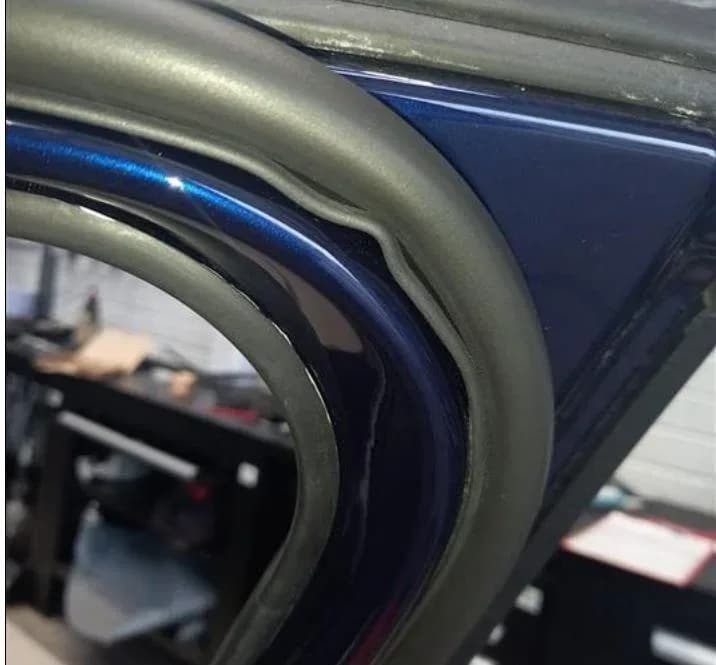
Also applies to
- Audi e-tron
- 2021
- Audi e-tron GT
- 2022
- Audi Q3
- 2021
- Audi Q5
- 2021
- Audi Q5 e
- 2021
- Audi Q7
- 2021
- Audi Q8
- 2021
▸ Show 1 more▾ Show fewer
Symptoms
Owners of affected 2021-2022 Audi e-tron vehicles may notice that the outer door seal has come loose. This issue is typically observed as the bonding of the outer door seal has detached from the door itself.
Technical Background
Audi has identified that various factors can contribute to the adhesive bond failure of the outer door seal. These include pressure, temperature fluctuations, and contamination in the bonding area. When these conditions are present, the adhesive bond for the outer door seal can detach from the door where it makes contact.
Repair Procedure Summary
Addressing the Audi e-tron detached door seal involves replacing the affected door seals according to the instructions in the Elsa Repair Manual. The repair process requires specific environmental conditions and careful handling to ensure a lasting bond.
Key steps include:
- Preparation: The vehicle and the new door seal must be at room temperature. All bonding surfaces must be thoroughly cleaned, free of dirt and grease, before installation.
- Installation: The new seal must be installed without stretching. If an old seal was removed, technicians should use the routing of the outer door seal on the opposite side of the vehicle as a guide for proper positioning.
- Post-Installation: After the new seal is in place, the door must not be closed for at least 30 minutes. This critical step allows the adhesive to properly cure and prevents the outer door seal from becoming detached or misaligned prematurely.
- Cleaning: Any remaining adhesive tape from the previous seal must be removed using adhesive strip remover VAS 6349. The bonding surface on painted areas should then be cleaned with cleaning solution D 009 401 04 and allowed to dry completely.
Required Tools or Parts
To perform this repair, specific materials and tools are necessary:
- Fasteners: Fasteners, bolts, nuts, and screws as needed, referenced in ETKA and the Elsa Repair Manual.
- All-purpose cleaner: Part number D00940104.
- Adhesive strip remover: Tool number VAS 6349.
Warranty Information
This repair for the Audi e-tron detached door seal is generally covered under warranty for vehicles up to 48 months or 50,000 miles. For Audi Certified Pre-Owned (CPO) vehicles, coverage falls under G10, but owner verification is required. If the vehicle is outside of any applicable warranty, this Technical Service Bulletin (TSB 2064183/2) serves as informational guidance only.
Technicians will use specific service numbers (5765, 5864) and damage code (0010) for warranty claims. Labor operations include 5765 1950 for front door seals and 5864 1999 for rear door seals.
What Owners Should Know
It is crucial to understand the importance of proper repair techniques for the Audi e-tron detached door seal. The TSB explicitly states:
Gallery
4 images
Frequently Asked Questions
- What causes the outer door seal to detach on an Audi e-tron?
- The detachment of the outer door seal on an Audi e-tron can be caused by various factors, including pressure, temperature fluctuations, and contamination in the adhesive bonding area between the seal and the door.
- How is the detached outer door seal repaired on an Audi e-tron?
- The repair involves replacing the affected outer door seal. This procedure requires ensuring the vehicle and seal are at room temperature, cleaning bonding surfaces, and not stretching the seal during installation. Crucially, the door must remain open for at least 30 minutes after installation to allow the adhesive to properly cure.
- Is the repair for the Audi e-tron detached door seal covered under warranty?
- Yes, the repair for the detached outer door seal, as outlined in TSB 2064183/2, is typically covered under Audi's new vehicle limited warranty for up to 48 months or 50,000 miles. Certified Pre-Owned (CPO) vehicles may also be covered, subject to owner verification. Vehicles outside of warranty will find the TSB informational.
Related Articles
2022 Audi e-tron Problems: Electrical System & Braking Concerns
The 2022 Audi e-tron has faced significant owner complaints regarding its electrical system, including sudden power loss and charging hazards, as well as various braking malfunctions. This profile details these issues and relevant service bulletins.
2022-2026 Audi Guided Fault Finding Reporting Obligation
Audi has issued Technical Service Bulletin TPI 2033392, also known as Transaction No. 2081531/1, regarding a reporting obligation for technicians when Guided Fault Finding produces an unexpected result. This TSB outlines the process for contacting Audi Product Support for diagnostic assistance.
2022-2026 Audi Infotainment System Complaints
Audi has released Technical Service Bulletin (TSB) 2081405/1 to address various customer complaints regarding infotainment systems in 2022-2026 Audi vehicles. This TSB helps technicians diagnose issues often caused by external media or mobile devices, rather than vehicle technology.
2018-2026 Audi Models Cracking Noise TSB 2061464/11
Audi Technical Service Bulletin 2061464/11 describes a cracking noise from the front or rear axle when changing direction in various 2018-2026 Audi models. The issue is due to stub axle movement and is resolved by bonding the stub axle to the wheel bearing with locking fluid.
2022-2026 Audi Parking Aid False Warnings TSB 2024323/13
Audi has released Technical Service Bulletin 2024323/13 to address customer complaints of false parking aid warnings. This bulletin details various environmental and vehicle-specific conditions that can cause the parking aid system to issue alerts even when no obstacles are present. It provides…
Leave a comment
Comments are moderated and may take a moment to appear. Only your first name and the initial of your last name are shown publicly.
Comments
Be the first to comment.