2010-2022 Audi Unpleasant HVAC Odor Technical Service Bulletin
Audi has released Technical Service Bulletin 2010146/16 to address unpleasant, musty odors emanating from the heating and ventilation system in various 2010-2022 models. The bulletin outlines a specific cleaning procedure using specialized tools and treatment.
 Ahmet Topcu2022 Audi e-tron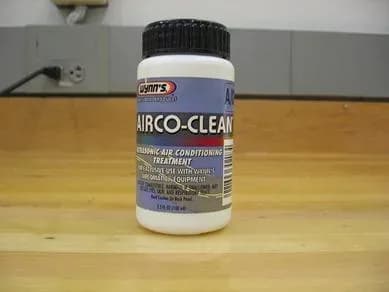
Şu araçlar için de geçerli
- Audi A4
- 2021–2022
- Audi A5
- 2021–2022
- Audi A6
- 2021–2022
- Audi A6 allroad
- 2021
- Audi A7
- 2021–2022
- Audi e-tron
- 2021
- Audi Q3
- 2021–2022
- Audi Q5
- 2021
- Audi Q7
- 2021–2022
- Audi Q8
- 2021–2022
- Audi R8
- 2022
- Audi TT
- 2021–2022
▸ 6 tane daha göster▾ Daha az göster
Symptoms
Owners of various 2010-2022 Audi models may experience an "unpleasant, musty odor coming from the heating and ventilation system." This odor typically becomes noticeable after the vehicle has been sitting unused for five hours or more. The musty smell usually appears within 20 to 60 seconds after the vehicle is started. If you notice an Audi e-tron unpleasant odor from your vents, this TSB may apply to your vehicle.
Diagnosis and Trigger Conditions
The primary cause of the unpleasant odor is often condensation, a normal byproduct of all air conditioning systems, which can lead to a musty smell. However, technicians must first rule out other potential sources of odor before performing the TSB procedure. These include:
- Mold and mildew in the passenger compartment, especially if the odor is present when the engine is off.
- A blocked evaporator housing drain, which should be open and free of debris.
- Water ingress into the passenger compartment, indicating the cabin is not properly sealed.
- Clogged plenum drains, which must be clear and free of debris.
- A dirty or moist pollen filter, which should be clean and dry.
Repair Procedure Summary
Audi Technical Service Bulletin 2010146/16 outlines a specific procedure to neutralize contaminants causing the odor using specialized equipment and treatment. The process involves:
- Pollen Filter Removal: If the vehicle is equipped with an in-cabin pollen filter (e.g., in A3, A6, Q7 models), it must be removed, and its cover reinstalled before proceeding.
- Vehicle Preparation: The engine is started, and specific climate control settings are applied. This includes setting the temperature to its lowest, fan speed to its lowest, airflow direction to dash vents only, and activating recirculation and ECON modes (as shown in Figure 1 of the TSB).
- Treatment Application: A 100ml bottle of Airco-Clean® Ultrasonic Air Conditioning Treatment (VAS 6189/1) is thoroughly shaken and emptied into the filling chamber of the Aircomatic® II Ultrasonic Climate System Cleaning unit (VAS 6189B) (Figure 2).
- Unit Setup: The outlet tube is connected to the cleaning unit (Figure 3), and the unit is placed level in the passenger-side footwell. The unit's power cord is routed through a slightly open window (Figure 4), ensuring all other windows and the sunroof are completely closed.
- Cleaning Cycle: The unit is turned on, and the outlet tube is positioned to direct vapor into the recirculation air intake. All doors are closed, and the atomized cleaning fluid will begin to emit from the vents. The cleaning process takes approximately 15-20 minutes, after which the machine automatically stops.
- Multi-Zone Systems: For vehicles with a four-zone climate control system and two evaporators (such as the Q7 and A8), the procedure must be repeated for the rear A/C unit. The outlet tube is positioned towards the fresh air inlet vent for the rear unit (Figure 5).
- Post-Treatment: After the cleaning cycle, the vehicle must be aired out for approximately ten minutes.
- Tool Maintenance: Technicians are instructed to consult the Aircomatic® manual for proper unit maintenance after each use.
Required Tools or Parts
To perform this service, specific Audi-approved tools and parts are required:
- Airco-Clean® Ultrasonic Air Conditioning Treatment (100ml bottle): Part Number VAS 6189/1. One bottle is required for models with a single evaporator, and two bottles for models with two evaporators.
- Aircomatic® II Ultrasonic Climate System Cleaning unit: Tool Number VAS 6189B.
- Fasteners, bolts, nuts, and screws as needed, as per the repair manual and ETKA.
Warranty Information
This Technical Service Bulletin (TSB 2010146/16) specifies strict conditions for warranty coverage:
- Limited Coverage: This procedure is allowed only once per vehicle.
- Eligibility: The vehicle must be within its first 12 months of service and covered under the New Vehicle Limited Warranty (NVLW).
- Customer Concern: An original customer concern regarding the specified odor symptom must be documented on the repair order for this bulletin to apply. Adding this procedure without a customer complaint is not permitted.
- Owner Responsibility: Any subsequent applications of this procedure, should they become necessary, will be the customer's responsibility.
- Pollen Filter: Replacement of the pollen filter is not covered under warranty as part of this procedure. It is only covered if specified at the appropriate maintenance interval.
When the procedure applies to vehicles under warranty, use the following claim details:
- Claim Type: 1SP
- Service Number: 8760
- Damage Code: 0049
- Labor Operations (TU - Technical Units):
- All models except R8:
- A/C clean - All models with single evaporator: 8701 2999 (70 TU)
- A/C clean - All models with two evaporators: 8701 3099 (135 TU)
- R8:
- A/C clean: 8701 9999 (210 TU)
- All models except R8:
- Diagnostic Time: GFF (No allowance - 0 TU)
- Road Test: No allowance for pre-service or post-service road tests (0 TU).
- Claim Comment: As per TSB #2010146/16
All warranty claims must comply with the Audi Warranty Policies and Procedures Manual and are subject to review or audit.
Source: NHTSA ID: 10193251
Galeri
6 görsel
Frequently Asked Questions
- What causes the unpleasant odor in my Audi's HVAC system?
- The odor is typically caused by condensation within the air conditioning system, which can lead to a musty smell. Other factors like mold, mildew, or clogged drains can also contribute to an unpleasant HVAC odor.
- How does Audi recommend fixing the unpleasant HVAC odor?
- Audi Technical Service Bulletin 2010146/16 outlines a specific cleaning procedure using the Aircomatic® II Ultrasonic Climate System Cleaner (VAS 6189B) and Airco-Clean® Ultrasonic Air Conditioning Treatment (VAS 6189/1) to neutralize contaminants causing the musty smell.
- Is the repair for the Audi e-tron unpleasant odor covered under warranty?
- This repair, identified by TSB 2010146/16, is typically covered once per vehicle within the first 12 months of service and under New Vehicle Limited Warranty, provided the original customer concern is documented. Subsequent applications are the owner's responsibility.
- What are the key service numbers associated with this Audi HVAC odor repair?
- The Service Number for this procedure is 8760, with a Damage Code of 0049. Specific labor operations like 8701 2999 or 8701 3099 apply depending on the vehicle's evaporator configuration for addressing the unpleasant HVAC odor.
Related Articles
2022 Audi e-tron Problems: Electrical System & Braking Concerns
The 2022 Audi e-tron has faced significant owner complaints regarding its electrical system, including sudden power loss and charging hazards, as well as various braking malfunctions. This profile details these issues and relevant service bulletins.
2022-2026 Audi Guided Fault Finding Reporting Obligation
Audi has issued Technical Service Bulletin TPI 2033392, also known as Transaction No. 2081531/1, regarding a reporting obligation for technicians when Guided Fault Finding produces an unexpected result. This TSB outlines the process for contacting Audi Product Support for diagnostic assistance.
2022-2026 Audi Infotainment System Complaints
Audi has released Technical Service Bulletin (TSB) 2081405/1 to address various customer complaints regarding infotainment systems in 2022-2026 Audi vehicles. This TSB helps technicians diagnose issues often caused by external media or mobile devices, rather than vehicle technology.
2018-2026 Audi Models Cracking Noise TSB 2061464/11
Audi Technical Service Bulletin 2061464/11 describes a cracking noise from the front or rear axle when changing direction in various 2018-2026 Audi models. The issue is due to stub axle movement and is resolved by bonding the stub axle to the wheel bearing with locking fluid.
2022-2026 Audi Parking Aid False Warnings TSB 2024323/13
Audi has released Technical Service Bulletin 2024323/13 to address customer complaints of false parking aid warnings. This bulletin details various environmental and vehicle-specific conditions that can cause the parking aid system to issue alerts even when no obstacles are present. It provides…
Yorum bırakın
Yorumlar moderasyondan geçer ve görünmesi biraz zaman alabilir. Sadece adınız ve soyadınızın baş harfi herkese açık olarak gösterilir.
Yorumlar
İlk yorum sizden olsun.