Audi · Model Report
Audi A62021
Showing safety data for the 2021 model year only.
Audi · Model Report
Showing safety data for the 2021 model year only.
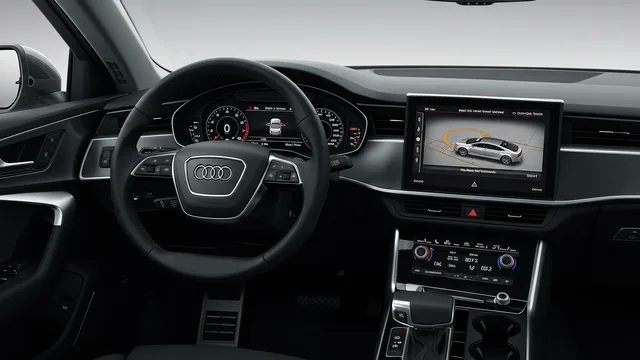
Volkswagen Group of America, Inc. (Audi) is recalling certain 2019-2026 vehicles. Please see the recall report for a complete list of models. A software error may prevent the rearview camera image from displaying as intended. As such, these vehicles fail to comply with the requirements of Federal Motor Vehicle Safety Standard number 111, "Rear Visibility."
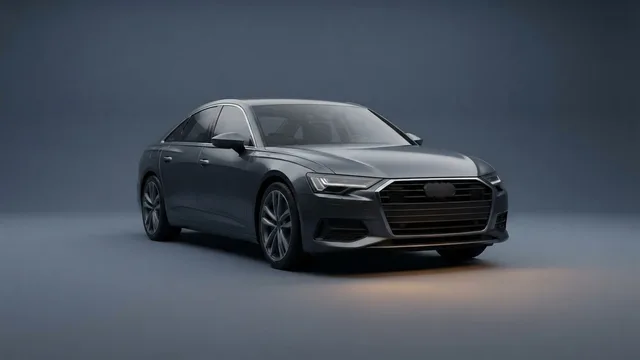
Volkswagen Group of America, Inc. (Audi) is recalling certain 2021 SQ8, A6 SEDAN, A7, A8, Q7, Q8, RS6 Avant, RS7, RSQ8, S6 SEDAN, S7, S8, A6 Allroad, and SQ7 vehicles. Due to a software error, the instrument panel display may fail.
Volkswagen Group of America, Inc. (Audi) is recalling certain 2021 Audi S7, S6 Sedan, RS7, RS6 Avant, A6 Allroad, 2019-2021 A7, and A6 Sedan vehicles. An incorrectly labeled brake fluid cap may have been installed, which can result in the use of the wrong type of brake fluid.
Volkswagen Group of America, Inc. (Audi) is recalling certain 2020-2022 Audi S7, S6 Sedan, A6 Allroad, 2021-2022 RS7, RS6 Avant, 2019-2022 A7, and A6 Sedan vehicles. Liquid spilled in the rear seat may penetrate and cause the gateway control module to shut down.
Volkswagen Group of America, Inc. (Volkswagen) is recalling certain 2021 Audi A8, RS7, RS6 Avant, RS5 Sportback, RS5 Coupe, Q8, Q7, Q5 Sportback, S4 Sedan, Q5, A7, A6, A6 Allroad, A5 Sportback, A5 Coupe, A5 Cabrioleet, A4 Sedan, A4 Allroad, E-Tron Sportback Quattro, SQ7, S5 Cabriolet, E-Tron Quattro, SQ8, SQ5 Sportback, SQ5, S8, S7, S6 Sedan, S5 Sportback, S5 Coupe, 2022 E-Tron GT, and 2021-2022 RSQ8 vehicles. Due to a software issue, a blank or black screen may be displayed instead of the rearview camera image when the vehicle is placed in reverse gear. As such, these vehicles fail to comply with the requirements of Federal Motor Vehicle Safety Standard number 111, "Rear Visibility."
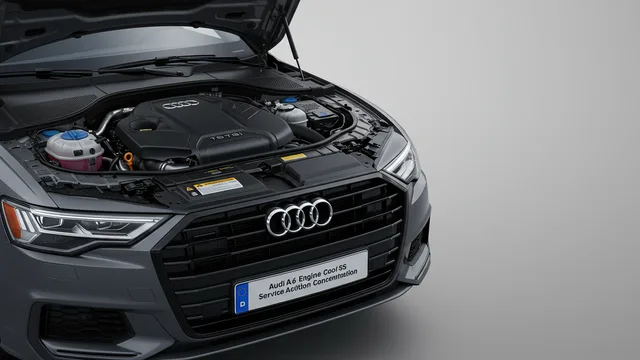
Both daytime running lights have progressively changed from white to yellow and lost intensity. The discoloration began on one side and later appeared on the other, concentrated at the lower angled section of the daytime running light. There are no warning lamps, messages, or stored fault codes. Independent automotive lighting specialists who service this model describe the cause as heat from the daytime running light LED degrading the end of the clear light-guide tube inside the sealed headlamp assembly. The manufacturer does not sell that LED board or light guide separately, so the only available repair is replacement of the entire headlamp assembly. A manufacturer technical service bulletin covering this model and model year treats daytime running light color variation as a normal characteristic and states that no repair is to be performed, and no recall or warranty extension has been issued for this condition. The headlamps are available for inspection upon request. Safety risk: the daytime running lights are losing output and conspicuity gradually rather than failing outright, so the driver receives no warning and other road users see a vehicle with degraded daytime visibility.
No injuries · No fire · No crash
While operating the vehicle under normal driving conditions, the vehicle suffered an immediate, un-commanded loss of engine power and throttle response. The vehicle displayed a critical dashboard restriction stating: “Maximum engine speed 2500 RPM”, forcing an emergency limp-home mode that instantly created a roadway collision hazard. Simultaneously, the vehicle's primary safety and convenience systems dropped completely offline, displaying synchronized, consecutive malfunction alerts for the Central Locking System, Audi Pre Sense (Distance Monitoring), Cross Traffic Assist, and Lane Change/Blind Spot Warning systems. A subsequent professional diagnostic scan confirmed that the vehicle's Engine Control Unit (ECU) has hard-logged active manufacturer fault codes P310A (Low Fuel Pressure Regulation - Fuel Pressure Fluctuates) and P310B (Low Pressure Fuel Regulation - Fuel Pressure Outside Specification). These synchronized electrical and drivetrain failures occur intermittently, yet have specifically occurred multiple times following exposure to moisture, including rainfall, winter slush, and standard car washes. The identical electrical system dropouts were officially reported to two authorized Audi dealership service centers during its active warranty window, but the underlying system failures remain uncorrected, leaving a recurring safety hazard unaddressed.
No injuries · No fire · No crash
The vehicle went in for a software update. After purchasing the vehicle, the software update was part of a recall. Since that recall was performed, my vehicle has a lot of electronic glitches and a lot of issues. My external Morty just got done, paying $4500 to track down a central locking issue on top of the electronic issues. Did not fix the issue. I am out of town going to see family in California. The vehicle central locking air came back up. I could not get out of the vehicle lock and unlock went out work. Also, the door handles would not work me and my daughter had to climb out of the car windows to get out. So like, you know what? And then we had to try to access the battery compartment to do a hard reset. The vehicle is scheduled to go back to the manufacturer dealer to look at it again next week. However, I will be contacting audi u s a again. Since I told him I had all these issues, they refused to help me out in any way. This is a very big safety issue.
No injuries · No fire · No crash
My 2021 Audi A6 produces a strong mold and mildew odor from the HVAC/air conditioning system. The smell occurs consistently after the air conditioning is turned off and persists when entering the vehicle. The issue appears to originate from mold growth on the evaporator coil or dampers, likely caused by moisture accumulation and inadequate condensate drainage in the HVAC system. The vehicle was inspected and treated at an authorized Audi dealership; however, the treatment did not resolve the issue and the odor returned. Online owner forums and communities document the same problem across multiple Audi models and model years, suggesting this is a systemic design or manufacturing issue rather than an isolated incident. A passenger in the vehicle — a minor child with a documented mold allergy — has experienced allergic reactions as a result of exposure to the vehicle's air conditioning output. This constitutes a health and safety concern. The mold contamination in the HVAC system poses a risk to vehicle occupants, particularly those with respiratory conditions or mold sensitivities. I am requesting that NHTSA investigate whether a defect exists in the HVAC/evaporator system design across Audi vehicles, and whether a safety recall or technical service bulletin is warranted.
No injuries · No fire · No crash
The contact owns a 2021 Audi A6. The contact stated while driving at an undisclosed speed, the vehicle overheated. The engine overheating and the low coolant warning light illuminated. In addition, the engine seized. The vehicle was taken to the dealer where it was diagnosed with a coolant leak and a failed coolant pump vacuum. The contact was informed that the coolant pump vacuum assembly needed to be replaced. The vehicle was not repaired. In addition, the contact was informed that the failure was a known failure of the vehicle. The manufacturer was made aware of the failure and a case was filed. The contact was advised to contact the NHTSA Hotline and report the failure. The failure mileage was approximately 80,000.
No injuries · No fire · No crash