Hyundai and Kia Advance Product Development with 3D Printing
Hyundai Motor and Kia are integrating advanced industrial 3D printing into their product development processes. This technology, also known as additive manufacturing, is being utilized to significantly reduce the time required to bring new vehicle components from concept to reality. The initiative…

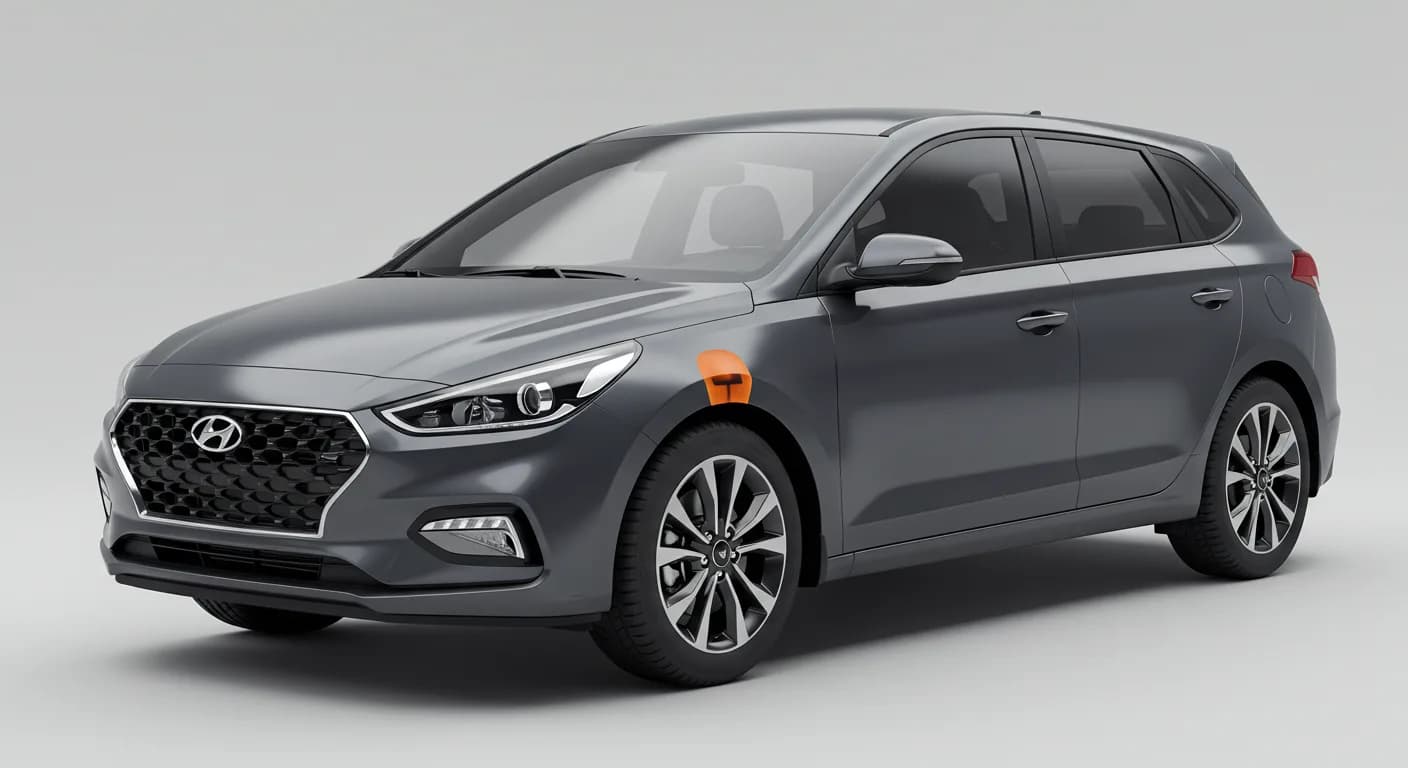
Hyundai Motor and Kia are integrating advanced industrial 3D printing into their product development processes. This technology, also known as additive manufacturing, is being utilized to significantly reduce the time required to bring new vehicle components from concept to reality. The initiative aims to enhance design flexibility and accelerate the overall development cycle for future models.
Streamlining Development Timelines
At the heart of this strategy is the ability of 3D printing to compress traditional development timelines. Engineers can now rapidly produce complex components directly from digital blueprints, bypassing many conventional manufacturing steps. This rapid prototyping capability allows for quicker iteration and testing of parts, leading to more efficient design validation.
The use of additive manufacturing enables Hyundai and Kia to evaluate various design options in a shorter timeframe. This efficiency is crucial in the fast-evolving automotive industry, where speed to market can be a significant advantage. By reducing the lead time for physical prototypes, the companies can dedicate more resources to refinement and innovation.
Enhancing Design Flexibility
Industrial 3D printing offers a new level of design freedom that extends beyond the limitations of conventional manufacturing methods. Designers and engineers are no longer constrained by the tooling and processes associated with traditional production. This allows for the creation of intricate geometries and optimized structures that might be impossible or cost-prohibitive to produce otherwise.
This expanded design capability supports the development of lighter, stronger, or more functionally integrated components. The ability to experiment with novel forms and internal structures can lead to advancements in vehicle performance, safety, and interior packaging. It also facilitates the integration of new technologies and features into upcoming models with greater ease.
The Additive Manufacturing Solution Center
The core of these efforts is the Additive Manufacturing Solution Center (AMSC), a dedicated facility where engineers apply these advanced techniques. The AMSC serves as a hub for leveraging industrial 3D printing to its full potential. Here, specialists work to translate digital designs into physical parts, ensuring precision and quality.
The center plays a vital role in supporting both Hyundai and Kia's engineering objectives. By centralizing additive manufacturing expertise and equipment, the AMSC ensures that both brands can benefit from the latest advancements in 3D printing technology. This collaborative approach underpins their focus on maintaining high engineering standards across their vehicle lineups.
By adopting advanced 3D printing technologies, Hyundai and Kia are positioning themselves to develop future vehicles more rapidly and with greater design innovation. This strategic integration of additive manufacturing is expected to contribute to more refined and technologically advanced models for consumers in the coming years.
Leave a comment
Comments are moderated and may take a moment to appear. Only your first name and the initial of your last name are shown publicly.
Comments
Be the first to comment.