BMW 3 Series Advances Sustainability with New Production Methods
BMW is expanding its sustainability efforts across the new 3 Series Sedan lineup, encompassing both fully-electric and combustion-engine models. The initiative targets a reduced CO2e footprint throughout the vehicle's lifecycle, from supply chain to production and recycling. Key strategies include…

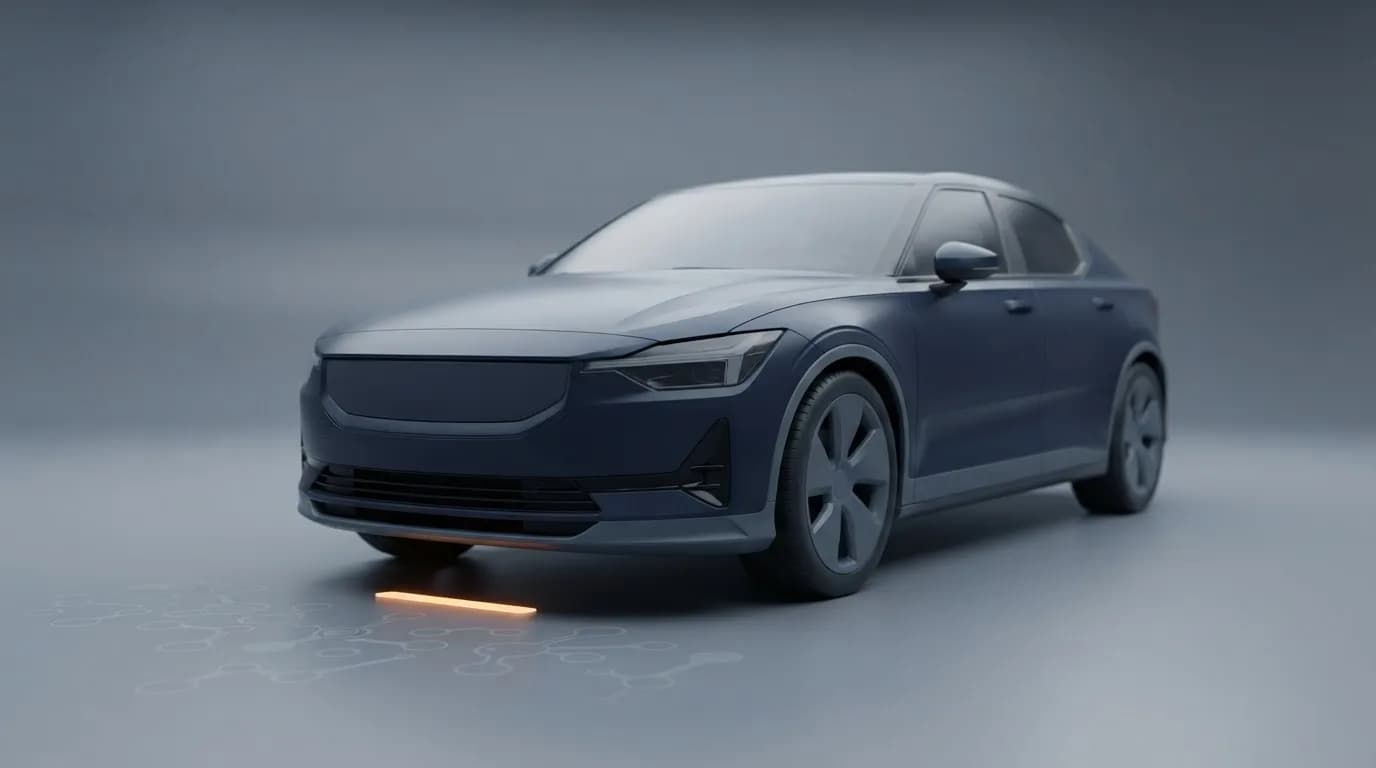
BMW is expanding its sustainability efforts across the new 3 Series Sedan lineup, encompassing both fully-electric and combustion-engine models. The initiative targets a reduced CO2e footprint throughout the vehicle's lifecycle, from supply chain to production and recycling. Key strategies include decarbonizing the supply chain, increasing the use of secondary materials, and optimizing production within its Bavarian manufacturing network.
Decarbonizing the Supply Chain and Material Use
BMW has significantly reduced supply chain CO2e emissions during the development phase, achieving approximately 37% reduction for the fully-electric BMW i3 and 30% for internal combustion engine variants. These reductions are driven by reliance on renewable energy and higher secondary material content.
The new Gen6 battery cells for the BMW i3 incorporate secondary materials for cobalt, lithium, and nickel. Production of anode and cathode materials, as well as cell manufacturing, utilizes renewable energy, leading to a roughly 33% lower CO2e footprint per watt-hour compared to the Gen5 cell used in the BMW i4.
The new 3 Series features a high proportion of secondary materials, even in heavy-duty components. Aluminum suspension parts like wheel rims and swivel bearings are produced using renewable electricity. The hood, for example, is made from approximately 70% recycled aluminum. Overall, the battery-electric BMW i3 50 xDrive contains about 31% secondary materials, while the combustion-engine 3 Series uses around 25%.
Bavarian Production Cluster Enhances Efficiency
BMW's Bavarian production cluster, comprising plants in Dingolfing, Landshut, Irlbach-Straßkirchen, and Munich, plays a central role in its BMW 3 Series sustainability strategy. This regional network combines specialized expertise with short transport distances, reducing CO2e emissions and integrating production steps efficiently.
Plant Landshut, BMW's largest component facility, produces e-drive housings for the BMW i3's rear axle and engine components for combustion models, utilizing recycled aluminum and renewable energy. Meanwhile, the new Irlbach-Straßkirchen plant, under construction since spring 2024, will assemble Gen6 high-voltage batteries for the BMW i3 starting October 2026. This facility operates without fossil fuels for regular operations, uses a photovoltaic system, and requires no water for battery assembly.
The Munich plant, which produces Neue Klasse vehicles, sources all its external power from renewable sources and implements material recycling loops for steel and aluminum scrap. Plant Dingolfing also uses 100% renewable electricity, with an 11-megawatt peak photovoltaic system operational since late 2025 and a new biomass heating plant providing up to 100,000 megawatt-hours of heat, covering about half of its process heat needs.
Efficiency During Use and Transparent Reporting
BMW's EfficientDynamics technology package, in use since 2007, optimizes vehicle efficiency through advancements in aerodynamics, lightweight construction, low rolling resistance tires, and energy management. The fully-electric BMW i3 features the in-house developed BMW Dynamic Performance Control Driving Stack, which enhances efficiency by maximizing energy recovery during deceleration.
Gen6 drive technology components further improve efficiency through SiC (silicon carbide) technology, reducing energy losses in electric drive units by up to 40%. This contributes to the overall BMW 3 Series sustainability goals.
For transparency, BMW will publish the Product Carbon Footprint for the 3 Series, validated by the German Technical Inspection Association (TÜV), concurrent with the series launch. This report will detail raw material use and CO2e emissions across the vehicle's lifecycle, adhering to Catena-X rules for standardized data exchange.
These comprehensive measures highlight BMW's integrated approach to reducing the environmental impact of its new 3 Series models. By focusing on sustainable sourcing, localized production, and operational efficiency, the company aims to offer vehicles with a lower carbon footprint for consumers.
Leave a comment
Comments are moderated and may take a moment to appear. Only your first name and the initial of your last name are shown publicly.
Comments
Be the first to comment.