Toyota Study Reveals High PHEV Charging Frequency
A recent study by the Toyota Research Institute North America (TRINA) indicates that Toyota and Lexus plug-in hybrid (PHEV) owners consistently charge their vehicles. Analyzing data from over 6,000 PHEVs in the U.S. and Canada, the research found that most owners regularly utilize their…

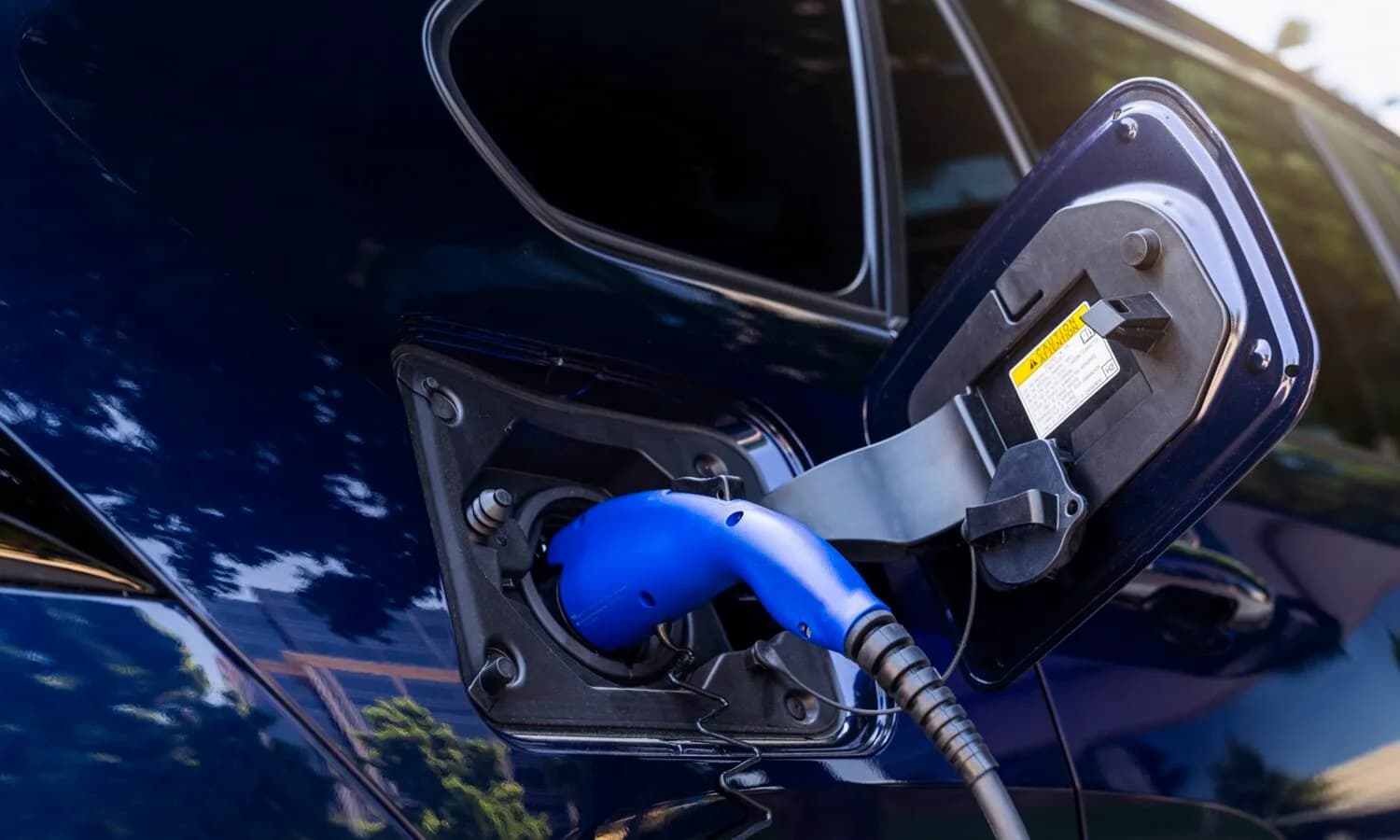
A new study conducted by the Toyota Research Institute North America (TRINA) indicates that owners of Toyota and Lexus plug-in hybrid electric vehicles (PHEVs) consistently charge their vehicles. This research, which analyzed data from more than 6,000 PHEVs across the United States and Canada, challenges the perception that PHEV owners do not frequently utilize their vehicles' electric-only capabilities.
The study included anonymized data from models such as the Toyota RAV4 Prime and the Lexus NX 450h+. Researchers Karim Hamza and Ken Laberteaux aimed to quantify real-world charging patterns among PHEV drivers.
PHEV Owners Consistently Plug In
The TRINA study found that Toyota PHEV owners plug in their vehicles on an average of seven out of every 10 driving days. Lexus PHEV owners demonstrated even higher charging frequency, plugging in eight to nine times per 10 driving days.
These findings suggest a strong inclination among owners to maximize electric driving. The study also highlighted that only a small fraction of the sample rarely plugged in their vehicles, specifically 9% of Toyota drivers and 4% of Lexus drivers. Regional variations in energy economics were noted as influencing charging behavior.
Factors Influencing Charging Behavior
The TRINA team is currently exploring two primary hypotheses to explain why some PHEV drivers might not plug in as frequently. One factor is the potential lack of convenient home charging options, particularly for individuals residing in multi-unit dwellings where access to an electrical outlet near parking may be limited.
Another consideration is the cost of electricity in specific U.S. regions. While the national average cost per kilowatt-hour of electricity at home is 18 cents, making it generally more economical to travel 40 miles on electric power than gasoline, there are areas where gasoline remains a cheaper per-mile fuel source. These economic conditions can influence an owner's decision to charge.
Advancements in Electric Range
The study also implicitly highlights the evolution of PHEV technology. Earlier plug-in hybrid models, such as the initial Prius PHEV, offered an EPA-estimated all-electric driving range of 11 miles and often required the gasoline engine to supplement electric power.
Modern PHEVs, including the 2021-2024 Toyota RAV4 PHEV and Lexus NX 450h+ models examined in the study, provide significantly extended electric ranges. The RAV4 PHEV has an EPA-estimated 42 miles of all-electric range, while the Lexus NX 450h+ offers an EPA-estimated 37 miles. For the 2026 model year, Toyota and Lexus plan to offer PHEVs with manufacturer-estimated all-electric ranges from 33 miles for the Lexus TX 550h+ up to 54 miles for the Toyota RAV4 PHEV SE.
This research underscores that contemporary plug-in hybrid vehicles offer substantial electric-only driving capabilities, and their owners are actively leveraging these features. The data supports the role of PHEVs in providing a flexible and efficient mobility solution for many drivers.
Gallery
5 images
Leave a comment
Comments are moderated and may take a moment to appear. Only your first name and the initial of your last name are shown publicly.
Comments
Be the first to comment.