Nissan Enhances Vehicle Durability with New Corrosion Chamber
Nissan has unveiled a new corrosion chamber at its Arizona Testing Center (ATC), significantly upgrading its capability to test vehicle durability against extreme environmental conditions. This facility can simulate over a decade of real-world corrosion in less than four months.

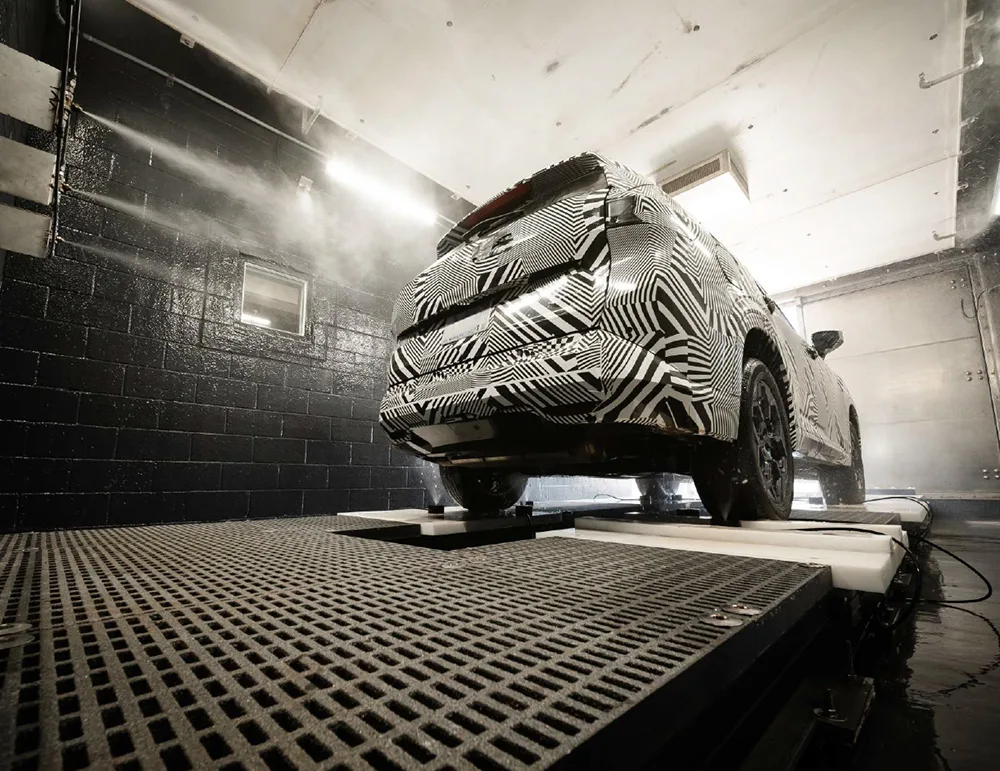
Nissan has introduced a new corrosion chamber at its Arizona Testing Center (ATC), significantly enhancing its ability to evaluate vehicle durability against extreme environmental conditions. This advanced facility can simulate 10 to 15 years of real-world corrosion in less than four months, aiming to improve the longevity of future Nissan vehicles.
Accelerated Durability Testing
The new corrosion chamber at Nissan's Arizona Testing Center (ATC) is designed to rapidly assess how vehicles withstand demanding environments. This facility compresses a decade or more of environmental exposure into a few months, allowing engineers to identify potential issues much earlier in the development process. The accelerated testing covers 99.5% of the North American market's corrosion challenges.
Ryan Regehr, an engineer at ATC, stated that by simulating long-term environmental exposure in a controlled setting, engineers can implement improvements efficiently. This approach ensures that vehicles delivered to customers are built to last through various conditions.
Simulating Extreme Environments
The corrosion chamber specifically targets conditions that accelerate rust, such as those caused by de-icing road salts, high humidity, and coastal air. Road salts like sodium chloride, magnesium chloride, and calcium chloride, commonly used in northern states, are major contributors to vehicle corrosion. Coastal areas present similar challenges with salt-laden air and ocean spray.
Inside the chamber, vehicles are sprayed from all angles with a saltwater solution, then subjected to high temperatures and humidity. This cycle precisely accelerates the corrosion process on metal components. A camouflaged 2027 Nissan Rogue Hybrid and a Nissan Frontier have been among the vehicles undergoing these rigorous tests.
The facility also incorporates an advanced water filtration system from Italy. This system ensures precise salinity levels for consistent testing, recycles water, and reduces the environmental impact of the operation. Yosmany Lopez, Nissan's lead corrosion engineer at ATC, highlighted that the new chamber creates more consistent and repeatable test conditions, leading to higher-quality durability data.
Benefits for Nissan Owners
The primary objective of this enhanced testing is to produce vehicles with improved resistance to corrosion throughout their lifespan. This helps maintain the performance and appearance of critical components, reducing the need for corrosion-related repairs and ultimately preserving the vehicle's resale value.
The corrosion chamber is part of a broader testing regimen at ATC, which includes rough road surfaces, undulating frame twists, an automotive mud bath, and water fording. This comprehensive battery of tests allows engineers to identify and resolve potential issues well before vehicles enter production.
Nissan's testing strategy accounts for the diverse climates across North America, from snowy northern regions to humid coastal areas. Regehr emphasized that while customers may not see the testing process, the benefits are evident in the long-term reliability of their vehicles.
By investing in advanced testing facilities like the new corrosion chamber, Nissan aims to proactively address the challenges posed by increasingly demanding environmental conditions. This focus on accelerated durability testing is intended to ensure that future Nissan models offer enhanced longevity and reliability for owners across North America.
Gallery
3 images
Leave a comment
Comments are moderated and may take a moment to appear. Only your first name and the initial of your last name are shown publicly.
Comments
Be the first to comment.