BMW Motorrad CEO Markus Flasch Appointed ACEM President
Markus Flasch, CEO of BMW Motorrad, has taken on the presidency of the European Association of Motorcycle Manufacturers (ACEM) for a two-year term starting July 1, 2026. His leadership will focus on integrating L-category vehicles into urban mobility, advancing decarbonization, and promoting…
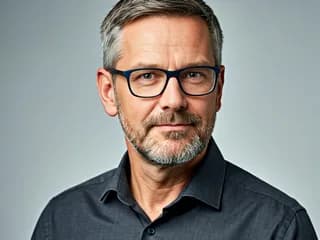
Markus Flasch, the current CEO of BMW Motorrad, has officially taken on the role of President for the European Association of Motorcycle Manufacturers (ACEM). His two-year term began on July 1, 2026, placing him at the helm of the European motorcycle industry during a period of significant change and evolving mobility demands. This BMW Motorrad ACEM presidency is expected to influence key discussions surrounding the future of two-wheeled transportation across the continent.
New Leadership for European Motorcycle Industry
Flasch's election occurred during the ACEM General Assembly, which was held at BMW Welt in Munich. He succeeds Michele Colaninno in this prominent role. The ACEM Presidium, which guides the association's strategic direction, includes other notable industry figures. Claudio Domenicali, CEO of Ducati Motor Holding, and Clément Villet, Director of Land Mobility for Yamaha Motor Europe N.V., serve as Vice-Presidents. Michele Colaninno, CEO of Piaggio Group, also remains part of the Presidium as a Vice-President.
The appointment comes as Europe's mobility landscape is undergoing substantial transformation. The motorcycle sector faces a convergence of regulatory, mobility, and competitiveness challenges. Flasch's mandate is set to address these complex issues, aiming to strengthen the industry's voice and position within the broader European transport framework.
Strategic Priorities Under Flasch's Term
Under Markus Flasch's presidency, ACEM will prioritize three core areas. The first involves enhancing the integration of L-category vehicles—a classification that includes mopeds, motorcycles, tricycles, and quadricycles—into sustainable urban mobility concepts throughout Europe. This initiative seeks to position these vehicles as integral components of future city transport solutions.
Secondly, ACEM plans to advance the industry's decarbonization agenda. This effort will focus on reducing environmental impact while simultaneously safeguarding the industrial competitiveness of European manufacturers. The goal is to achieve sustainability targets without compromising the economic viability of the sector. The third priority is to promote motorcycling in its various forms, including leisure, touring, and sport. This aspect aims to highlight the economic growth and societal value that motorcycling contributes. Flasch emphasized that L-category vehicles are not a niche but rather a part of the solution to Europe's current mobility challenges. This BMW Motorrad ACEM presidency aims to address critical industry challenges.
Shaping the Future Regulatory Landscape
A significant part of Flasch's focus will be directed towards ensuring that the regulatory environment in Europe supports innovation and investment within the motorcycle industry. This includes advocating for a technology-neutral approach that considers the diverse needs of customers. The aim is to foster an environment where new technologies and solutions can thrive without undue restrictions.
Antonio Perlot, Secretary General of ACEM, commented on the importance of the motorcycle industry as an asset for the European economy. He stated that ACEM will continue to engage with policymakers to highlight the benefits that L-category vehicles bring to society. Flasch's presidency underscores an ambition to actively shape the future of motorcycling in Europe, ensuring the industry's continued contribution to sustainable mobility while preserving its economic relevance and emotional appeal for riders.
This leadership transition, marked by the BMW Motorrad ACEM presidency, is poised to guide the European motorcycle industry through its next phase of development. BMW Motorrad's CEO will now play a central role in advocating for policies that support both the environmental goals and the economic health of the sector, impacting how motorcycles and similar vehicles are integrated into Europe's future transport systems.
Leave a comment
Comments are moderated and may take a moment to appear. Only your first name and the initial of your last name are shown publicly.
Comments
Be the first to comment.