2021 Mercedes-Benz AMG GT Oil Leak from Rear Main Seal
Mercedes-Benz has issued TSB LI01.40-P-079518 for 2021 AMG GT models concerning oil leaks or oil smell originating from the rear main seal or rear main seal plate. This bulletin outlines diagnostic steps and the repair procedure, including part numbers for the crankcase cover and screws.
 Ahmet Topcu2021 Mercedes-Benz AMG GT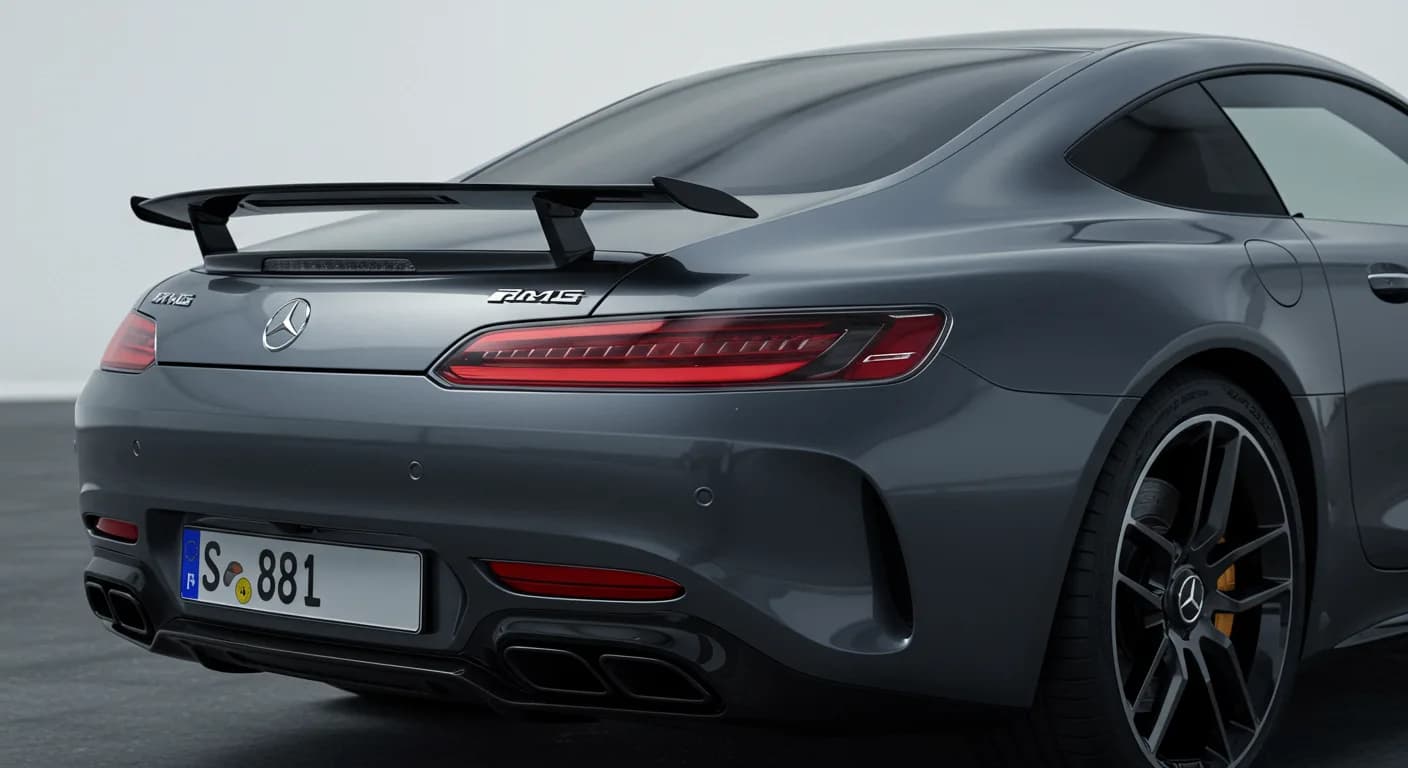
Owners of 2021 Mercedes-Benz AMG GT vehicles, specifically those with M17x engine variants, may experience issues related to oil leaks. Mercedes-Benz has released Technical Service Bulletin (TSB) LI01.40-P-079518, dated July 16, 2025, to address customer complaints regarding oil use, oil leaking, or an oil smell coming from the engine area.
Symptoms
If you own a 2021 Mercedes-Benz AMG GT, you might notice one or more of the following symptoms indicating a potential oil leak:
- Oil use: The engine consumes oil at an unusual rate.
- Oil leaking: Visible oil spots on the ground or around the rear of the engine and at the engine/transmission interface.
- Oil smell: A distinct burning oil smell, especially after driving.
- External oil loss: This issue is technically categorized under "Power generation > Engine lubrication/oil cooling > Leakage > External oil loss" within Mercedes-Benz's diagnostic system.
Cause of the Oil Leak
The root cause of the Mercedes-Benz AMG GT oil leak is identified as oil escaping from the rear main seal and/or the rear main seal plate. These components are critical for sealing the rear of the engine block, specifically within function group 01.40, which covers the crankcase, timing case cover, and end cover.
Diagnosis Procedure
Technicians should follow a precise procedure to confirm the leak location:
- Initial Inspection: Carefully inspect the rear main seal for any signs of damage such as being sucked in, rolled, or cut. Reference images like "Rolled Seal.jpg" and "Rolled Seal 2.jpg" from the bulletin can help identify these conditions.
- Leak Confirmation: To pinpoint the exact source, thoroughly clean the suspected area around the rear main seal and/or rear main seal plate. Apply trace powder to the cleaned surface.
- Vehicle Operation: Run the vehicle on a lift or at low speed in a controlled environment to observe the trace powder. It is crucial do not attempt at high speed or in wet areas as this will make the results difficult to assess.
Repair Procedure Summary
The repair process depends on the confirmed leak source:
- Previous Replacement Check: If the rear main seal plate has been replaced previously according to this bulletin's instructions, a TIPS case must be opened before proceeding with further repairs.
- Seal-Only Leak: If the leak is confirmed to be emanating solely from the seal, replace both air/oil separators. Afterward, completely clean the bellhousing area and re-test with trace powder. If the leak does not reappear, the vehicle can be released.
- Seal Plate and Seal Leak: If the leak persists after replacing the air/oil separators, or if the leak is initially confirmed to be from the rear main seal plate, the rear main seal plate and rear main seal must be replaced. This involves pulling the rear main seal plate, thoroughly cleaning the block mating surface, and then installing the new rear main seal plate and rear main seal.
- Sealant Application: When installing, apply sealant directly to the engine BLOCK instead of the plate to ensure proper coverage. The sealant path must be followed exactly as depicted in the "RMS Sealant Path.png" drawing provided in the bulletin.
- Post-Installation: After installation, lubricate a feeler gauge with oil and run it between the new rear main seal and the crankshaft. This step helps clear any small debris and prevents binding or stiction.
Required Parts
To address the Mercedes-Benz AMG GT oil leak, the following parts may be required:
- Crankcase Cover: Part number A1770103708 (Quantity: 1). Note: Technicians must remove CLAMPING SLEEVE (Cap to cylinder crankcase) part number A 601 992 01 25 before installing the new crankcase cover.
- Screws: Part number N000000 001144 (Quantity: 13).
Important Warnings for Technicians
- If the rear main seal plate has been previously replaced per the instructions in this bulletin, technicians must open a TIPS case before proceeding with further diagnosis or repair.
- During the diagnostic phase, when running the vehicle to observe trace powder, technicians do not attempt at high speed or in wet areas as this will make the results difficult to assess.
Source: NHTSA ID: 10255866
Frequently Asked Questions
- What are the symptoms of a rear main seal oil leak in a 2021 Mercedes-Benz AMG GT?
- Symptoms of a rear main seal oil leak in a 2021 Mercedes-Benz AMG GT can include increased oil use, visible oil leaking, or a burning oil smell. You might also see oil at the rear of the engine or where the engine meets the transmission.
- What is the cause of the oil leak described in TSB LI01.40-P-079518?
- According to TSB LI01.40-P-079518, the oil leak is caused by oil leaking from the rear main seal and/or the rear main seal plate in 2021 Mercedes-Benz AMG GT models with M17x engine variants.
- What parts are typically replaced to fix a Mercedes-Benz AMG GT oil leak?
- To fix a Mercedes-Benz AMG GT oil leak from the rear main seal area, technicians may replace the rear main seal, the rear main seal plate, and potentially the air/oil separators. Specific parts include Crankcase Cover (A1770103708) and Screws (N000000 001144).
- Can I diagnose a Mercedes-Benz AMG GT oil leak myself?
- While you can visually check for oil leaks, confirming the exact location and cause of a Mercedes-Benz AMG GT oil leak requires professional diagnosis. Technicians use specialized methods like cleaning the area and applying trace powder to pinpoint the leak, and they are trained to perform these assessments safely and accurately.
- Are there any special considerations when repairing the rear main seal on a Mercedes-Benz AMG GT?
- Yes, the repair procedure for a Mercedes-Benz AMG GT oil leak from the rear main seal involves careful inspection, precise sealant application, and specific lubrication steps. If the rear main seal plate was previously replaced, a TIPS case must be opened before proceeding with further repairs.
Related Articles
2021 Mercedes-Benz AMG GT Technical Reference Guide
This Mercedes-Benz technical bulletin LI00.01-P-078887 provides a comprehensive reference for workshops, detailing common acronyms, control unit identification methods, network/wiring architecture groups, and platform-to-baumuster mappings for the 2021 Mercedes-Benz AMG GT.
2021 Mercedes-Benz AMG GT Parking System Malfunctions
This Mercedes-Benz technical service bulletin (TSB) L154.65-P-080132 addresses various parking system malfunctions in the 2021 AMG GT, including sensor activations, a "Red Ring Around Vehicle" warning, and "Active Parking and Parking Assist Inoperative" messages.
2021 Mercedes-Benz AMG GT Headlamp Fogging TSB
Mercedes-Benz issued TSB LI82.10-P-078301 for headlamp and fog lamp fogging in the 2021 AMG GT. This document explains that fogging is a natural phenomenon and provides a procedure to clear condensation, distinguishing it from defects.
2021 Mercedes-Benz AMG GT Parking Assist Faults TSB
This Mercedes-Benz Technical Service Bulletin (TSB) L154.65-P-080132 details various parking assist system faults for the 2021 AMG GT, such as "Red Ring Around Vehicle" and "Active Parking and Parking Assist Inoperative" messages. It provides diagnostic guidance for issues related to PARK sensor…
2021 Mercedes-Benz AMG GT ECU Software Update
Mercedes-Benz has issued service campaign 2024100016 to update the Engine Control Unit (ECU) software on certain 2021 AMG GT vehicles. This update ensures the ECU software meets current production specifications, preventing potential issues with on-board diagnostics and exhaust gas emissions…
Leave a comment
Comments are moderated and may take a moment to appear. Only your first name and the initial of your last name are shown publicly.
Comments
Be the first to comment.