2021-2024 Hyundai Wiper Blade Protective Cover TSB
Hyundai has issued Technical Service Bulletin (TSB) 24-BD-001H regarding the proper removal of the windshield wiper blade protective cover on new wiper blades. Incorrect removal can lead to poor wiping performance and potential scratching of the windshield glass on 2021-2024 Hyundai models.
 David Chen2024 Hyundai Tucson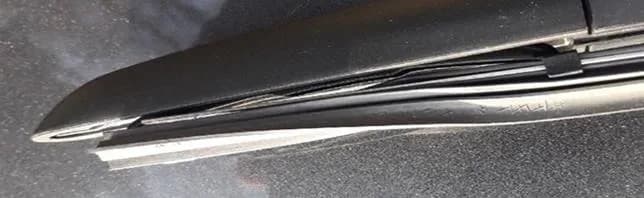
Si applica anche a
- Hyundai Accent
- 2021–2022
- Hyundai Elantra
- 2021–2024
- Hyundai Elantra N
- 2022–2024
- Hyundai Ioniq 5
- 2022–2024
- Hyundai Ioniq 6
- 2023–2024
- Hyundai Kona
- 2021–2024
- Hyundai Kona N
- 2022–2023
- Hyundai Nexo
- 2021–2024
- Hyundai Palisade
- 2021–2024
- Hyundai Santa Cruz
- 2022–2024
- Hyundai Santa Fe
- 2021–2024
- Hyundai Sonata
- 2021–2024
- Hyundai Tucson
- 2021–2023
- Hyundai Veloster
- 2021
- Hyundai Veloster N
- 2021–2022
- Hyundai Venue
- 2021–2024
▸ Mostra altri 10▾ Mostra meno
Hyundai has released Technical Service Bulletin (TSB) 24-BD-001H to provide essential instructions for the proper removal of the windshield wiper blade protective cover. This bulletin applies to all new Hyundai wiper blades across various models from 2021 to 2024. Following the correct procedure is crucial to prevent potential issues with your vehicle's visibility system.
Why This Matters
Improper removal of the Hyundai wiper protective cover can lead to significant problems. If the protective cover is not removed correctly, the rubber insert and rail spring on the inner side of the wiper blade can become partially separated. This separation can result in poor wiping performance, leaving streaks or unwiped areas on your windshield. More critically, it could lead to possible scratching of the windshield glass, which is an expensive repair and a safety hazard.
What's Being Addressed
This TSB specifically addresses the protective cover found on new windshield wiper blades. This cover is designed to protect the wiper blade during shipping and installation. The core issue arises when this cover is removed incorrectly, causing internal components like the rubber insert or rail spring to shift or detach. Ensuring the integrity of these components is vital for effective and safe windshield clearing.
Symptoms of Incorrect Removal
If the windshield wiper blade protective cover is not removed as intended, owners may notice immediate symptoms. The most common signs include poor wiping performance, where the wipers fail to clear the windshield effectively. This can manifest as streaking, chattering, or missed spots. In more severe cases, the separated components could cause direct contact between the wiper arm's metal parts and the glass, leading to scratching of the windshield glass.
How to Properly Remove the Hyundai Wiper Protective Cover (TSB 24-BD-001H)
To ensure proper function and prevent damage, follow these steps for removing the Hyundai wiper protective cover on new wiper blades, as detailed in TSB 24-BD-001H:
- Lift the Wiper Blade: Gently lift the entire wiper blade assembly away from the windshield until it locks into its upright position.
- Remove the Cover: With the blade lifted, carefully remove the protective cover. The TSB specifies removing it in the direction of the arrows typically shown on the cover itself, usually by sliding it off the end of the blade.
- Inspect the Blade: After removing the cover, visually inspect the wiper blade. Confirm that the rubber insert and the internal rail spring are securely in place and have not separated or shifted.
Important Warnings
Hyundai explicitly warns against a common mistake during this process. The bulletin states: "Do not pull down on the protective cover." Pulling down on the cover can force the rubber insert or rail spring out of position, causing the very damage this TSB aims to prevent. Always slide the cover off as directed.
Owner Action
If you are installing new wiper blades on your 2021-2024 Hyundai vehicle, it is important to follow the correct removal procedure for the Hyundai wiper protective cover as outlined in TSB 24-BD-001H. This simple step can prevent future issues with wiping performance and potential damage to your windshield. If you have any concerns or experience poor wiping performance after a recent wiper blade installation, you may wish to inspect the blades or consult with a Hyundai service technician.
Source: NHTSA ID: 10251285
Galleria
6 immagini
Frequently Asked Questions
- What is Hyundai TSB 24-BD-001H about?
- Hyundai Technical Service Bulletin 24-BD-001H provides instructions for the proper removal of the windshield wiper blade protective cover on all new Hyundai wiper blades. This ensures the wiper blades function correctly and prevents damage to the windshield.
- What happens if I remove the Hyundai wiper protective cover incorrectly?
- Incorrect removal of the protective cover can cause the rubber insert and rail spring of the wiper blade to separate. This can lead to poor wiping performance, leaving streaks or unwiped areas, and potentially scratching the windshield glass.
- How should I properly remove the protective cover from my Hyundai wiper blades?
- You should slightly lift the wiper blade away from the windshield, then carefully remove the protective cover by sliding it off in the direction of the arrows usually indicated on the cover. It is crucial not to pull down on the protective cover, as this can damage the blade.
- Which Hyundai models are affected by this TSB?
- This TSB applies to various 2021-2024 Hyundai models, including the Tucson, Elantra, Sonata, Santa Cruz, Ioniq 5, Venue, Ioniq 6, Kona, Palisade, Nexo, Santa Fe, Accent, and Veloster N. The instructions are relevant for any new Hyundai wiper blade installation.
Related Articles
2024 Hyundai Tucson Health Check: Recalls and Bulletins
The 2024 Hyundai Tucson has faced two recalls, including a critical power steering issue, alongside numerous service bulletins addressing engine, electrical, and structural concerns. This report details the key problems and what owners should know.
2021-2024 Hyundai Starter Freezing & Solenoid Replacement TSB
Hyundai has issued Technical Service Bulletin 26-EE-003H for various 2021-2024 models experiencing difficulty starting in cold weather. This TSB outlines an inspection and potential replacement of the starter magnetic switch (solenoid) assembly.
2023-2025 Hyundai Tucson Inoperable Horn TSB 26-BE-003H
Hyundai has released Technical Service Bulletin 26-BE-003H for 2023-2025 Tucson (NX4A) vehicles experiencing an inoperable horn. This TSB outlines the diagnostic and repair steps to replace both the high and low-pitch horn assemblies due to internal oxidation.
2023-2026 Hyundai Lamp Condensation TSB 25-BD-012H
This Hyundai Technical Service Bulletin (TSB) 25-BD-012H addresses condensation in headlamps, rear combination lamps, daytime running lamps (DRL), and fog lamps across various 2023-2026 Hyundai models. It clarifies that lamp assembly replacement is often unnecessary and provides a diagnostic and…
2022-2024 Hyundai MSLA Feature: Speed Limit Assist Guide
This guide explains Hyundai's Manual Speed Limit Assist (MSLA) feature for 2022-2024 Tucson and Santa Cruz owners. Learn how to activate, use, and disengage MSLA to help avoid exceeding speed limits, along with important safety information.
Leave a comment
Comments are moderated and may take a moment to appear. Only your first name and the initial of your last name are shown publicly.
Comments
Be the first to comment.