2021 BMW Models Check Control Message 415 TSB
Owners of 2021 BMW models may encounter a false 'energy management' Check control message (ID code 415) upon entering their vehicle. This manufacturer communication, NHTSA ID 10205095, identifies a software issue as the cause. Consult your BMW dealer for diagnosis.
 David Chen2021 BMW 330i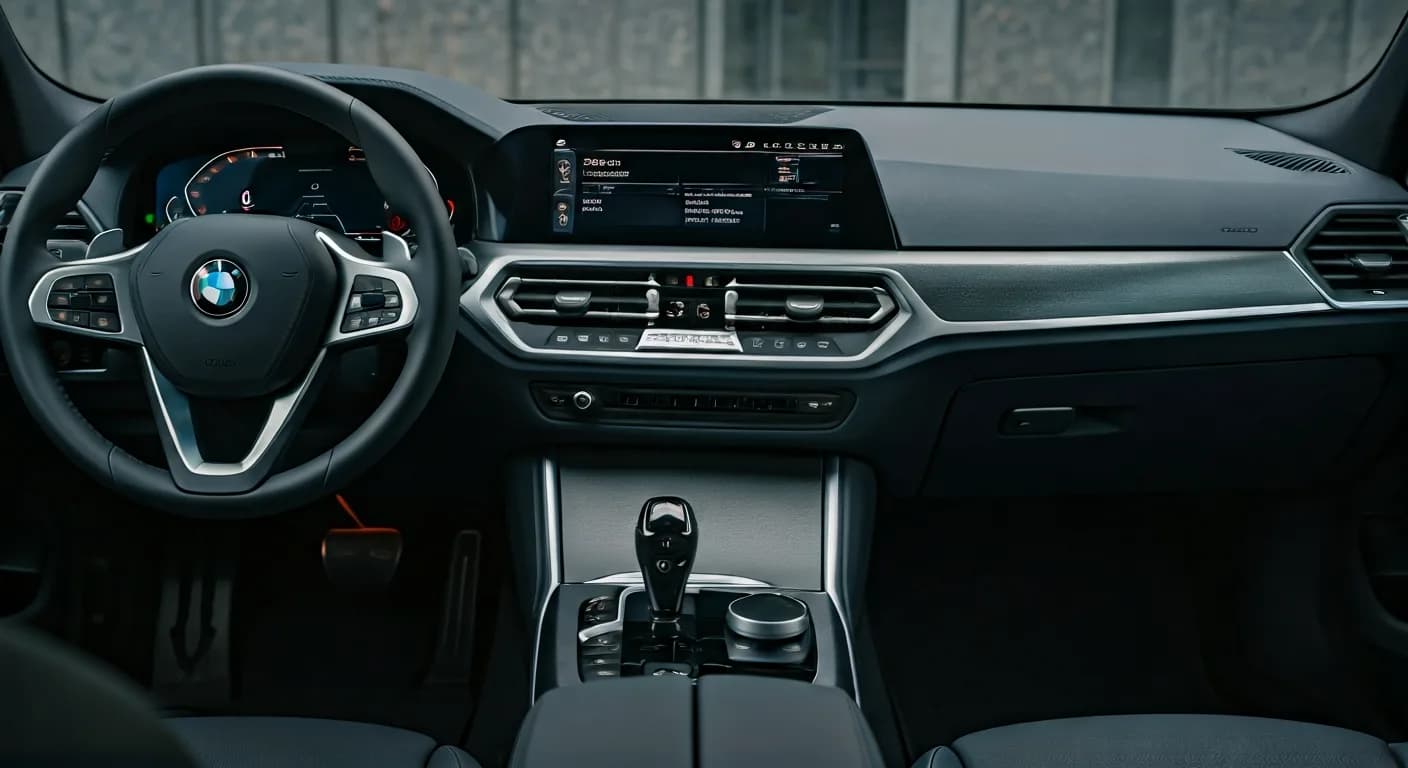
Si applica anche a
- BMW 228i
- 2021
- BMW 330e
- 2021
- BMW 430i
- 2021
- BMW 530e
- 2021
- BMW 530i
- 2021
- BMW 540i
- 2021
- BMW 740i
- 2021
- BMW 840i
- 2021
- BMW M235i
- 2021
- BMW M3
- 2021
- BMW M340i
- 2021
- BMW M4
- 2021
- BMW M440i
- 2021
- BMW M5
- 2021
- BMW M550i
- 2021
- BMW M760i
- 2021
- BMW M8
- 2021
- BMW M850i
- 2021
- BMW X3
- 2021
- BMW X4
- 2021
- BMW X5
- 2021
- BMW X6
- 2021
- BMW X7
- 2021
- BMW Z4
- 2021
▸ Mostra altri 18▾ Mostra meno
Symptoms of the BMW Check Control Message 415
Owners of various 2021 BMW models may experience a specific dashboard warning. The primary symptom is the "energy management" Check control message (ID code 415) appearing falsely when you enter the vehicle. This message indicates a potential issue with the vehicle's electrical system or battery management, even when no actual fault exists.
Understanding the Issue
This manufacturer communication, identified as NHTSA ID 10205095, addresses a software-related problem. The "energy management" Check control message (ID code 415) is triggered incorrectly due to a glitch in the vehicle's ELECTRICAL SYSTEM:SOFTWARE. This means the warning is not indicative of a real hardware failure but rather a miscommunication within the car's electronic systems.
What Owners Should Do
If your 2021 BMW displays the "energy management" Check control message (ID code 415), it is recommended to contact your authorized BMW dealer. While the message is noted as being falsely displayed, a dealer can confirm the specific software issue and determine if your vehicle requires an update or further diagnosis. This ensures the correct resolution for the BMW Check control message 415.
Important Warnings
BMW is NOT notifying consumers directly about this specific manufacturer communication. Owners should proactively check with their dealer if they experience the "energy management" Check control message (ID code 415) or have concerns about their vehicle's electrical system.
Source: NHTSA Manufacturer Communication 10205095
Related Articles
2021 BMW 330i SRS Sensor Mat Warranty Extension
BMW has announced a warranty extension for the Supplemental Restraint Systems (SRS) Front Passenger’s Seat Occupancy Capacitive Interior Sensor (CIS) Mat in certain 2021 330i and 330e vehicles. This extension covers defects causing false seat occupancy alerts for 10 years or 120,000 miles from the…
2021 BMW 3 Series False Seat Occupancy Alert
BMW has released Service Information Bulletin SIB 72 02 25 addressing a false seat occupancy alert in 2021 BMW 3 Series vehicles. This bulletin extends the warranty for the Supplemental Restraint Systems (SRS) Front Passenger's Seat Occupancy Capacitive Interior Sensor (CIS) Mat.
2021-2022 BMW 3 Series AC Rattling Noise TSB
Owners of 2021-2022 BMW 3 Series vehicles may experience a rattling noise from the air conditioning system when it is activated. This manufacturer communication (NHTSA ID: 10212798) addresses the symptom and provides guidance for diagnosis and repair.
2021 BMW 330i HOD Electronics Coding Error
A manufacturer communication addresses a coding error in 2021 BMW 330i, M340i, and 330e vehicles. After replacing and encoding the Hands-on Detection (HOD) electronics, an incorrect parameter may be transferred, potentially affecting system function.
2021 BMW 3/5 Series, X3 Fuel Mixture Adaptation Issue
A manufacturer communication from BMW addresses an issue in certain 2021 BMW 3 Series, 5 Series, and X3 vehicles where fuel vapor scavenging can lead to incorrect fuel mixture adaptation values, primarily in the low-end torque range.
Leave a comment
Comments are moderated and may take a moment to appear. Only your first name and the initial of your last name are shown publicly.
Comments
Be the first to comment.