2021-2023 Audi MHEV Electrical System Fault TSB 2073284/4
Audi has released TSB 2073284/4 for 2021-2023 Audi models experiencing an MHEV Electrical System Fault, often accompanied by DTCs such as U046900, U002900, or C11EC04. This bulletin clarifies diagnosis and repair, emphasizing that replacing the 48V Starter/Generator is not the solution.
 Marcus Weber2022 Audi Q8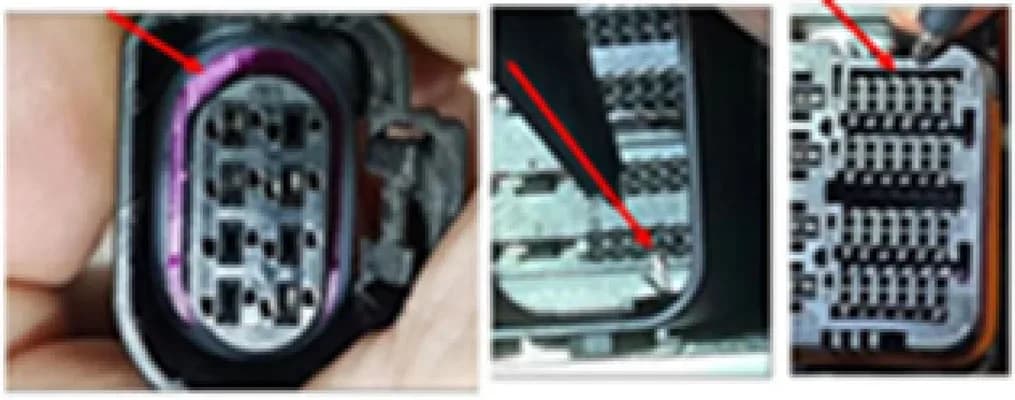
Si applica anche a
- Audi A6
- 2021–2023
- Audi A6 allroad
- 2021–2023
- Audi A7
- 2021–2023
- Audi A7 e
- 2021–2022
- Audi A8 L e
- 2021
- Audi Q7
- 2021–2023
- Audi Q8
- 2021, 2023
- Audi RS 6 Avant
- 2021–2023
- Audi RS 7
- 2021–2023
- Audi RS Q8
- 2021–2023
- Audi S6
- 2021–2023
- Audi S7
- 2021–2023
- Audi S8
- 2021–2023
- Audi SQ7
- 2021–2023
- Audi SQ8
- 2021–2023
▸ Mostra altri 9▾ Mostra meno
Audi has issued Technical Service Bulletin (TSB) 2073284/4 to address instances of an "MHEV Electrical System Fault" in various 2021-2023 models. This bulletin provides critical guidance for diagnosing and resolving the issue, which can manifest with several diagnostic trouble codes (DTCs) and dashboard warnings. The TSB clarifies that simply replacing the 48V Starter/Generator is not the correct solution for this particular problem.
Symptoms
Owners of affected Audi vehicles may observe several indicators of an Audi MHEV Electrical System Fault. These include:
- An "electrical system fault" message appearing in the instrument cluster.
- A "yellow/red battery warning symbol" lighting up in the instrument cluster.
- The "battery charge level information display" activating.
- In some cases, the engine may experience a misfire during operation.
Workshop findings often confirm these symptoms, noting that the address word 00CC (belt-driven starter-alternator) may be unreachable, and numerous DTCs are stored in the Engine Electronics (address word 0001) or Brake Electronics (address word 0003).
Fault Codes / DTCs
The Audi MHEV Electrical System Fault is commonly accompanied by one or more of the following diagnostic trouble codes (DTCs):
| Diagnostic Address | Diagnostic Trouble Code | Fault Symptom | Storage State |
|---|---|---|---|
| 0001 - Engine | U012000 | Lost Communication With Starter / Generator Control Module | Intermittent |
| 0001 - Engine | U012000 | Lost Communication With Starter / Generator Control Module | static |
| 0001 - Engine | U046900 | Invalid Data Received From Starter / Generator Control Module | Intermittent |
| 0001 - Engine | U046900 | Invalid Data Received From Starter / Generator Control Module | static |
| 0001 - Engine | U002800 | Vehicle Communication Bus A | Intermittent |
| 0001 - Engine | U002800 | Vehicle Communication Bus A | static |
| 0001 - Engine | U002900 | Vehicle Communication Bus A Performance | Intermittent |
| 0001 - Engine | U002900 | Vehicle Communication Bus A Performance | static |
| 0003 - Brake | C054A00 | Vacuum Sensor "A" Range/Performance | Intermittent |
| 0003 - Brake | C054A00 | Vacuum Sensor "A" Range/Performance | static |
| 0003 - Brake | C11EC04 | Brake booster pressure sensor faulty | Intermittent |
| 0003 - Brake | C11EC04 | Brake booster pressure sensor faulty | static |
Specifically, DTC U046900 is often seen with symptom code 34763, indicating lost communication with the Starter/Generator Control Module. DTCs U002900 and U002800 point to issues with Vehicle Communication Bus A.
Diagnosis and Trigger Conditions
The TSB 2073284/4 highlights that the presence of DTC U046900, indicating lost communication with the Starter/Generator Control Module, does not necessarily mean the 48V Starter/Generator itself is faulty. Instead, this DTC is often a secondary symptom of another electrical system problem within the vehicle. The expanded ambient conditions of the event memory may show a value of "Starter generator, actual mode 48V = 8".
Potential causes for the communication fault DTCs (U002900 and U002800) include improperly plugged-in or fastened communication connectors, bent or widened pins, short circuits in the wires, or incorrect attempts to swap connectors (such as failing to connect vehicle ground cables). Additionally, any residual fluids, like coolant, in the connectors of the belt-driven starter-alternator (especially after prior repairs) can interfere with communication.
Important Warnings
- Do not replace the 48V Starter/Generator: The TSB explicitly states that replacing the 48V Starter/Generator will not resolve the Audi MHEV Electrical System Fault. The DTC U046900 is a symptom of other issues.
- ODIS diagnostic access: If the Starter Generator (diagnostic address 00CC) cannot be reached in ODIS, this does not automatically mean the component is faulty.
Repair Procedure Summary
The correct approach to resolve the Audi MHEV Electrical System Fault involves a thorough diagnostic process rather than immediate component replacement. Technicians should prioritize the following steps:
- Address Pressure Sensor DTCs: First, process any pressure sensor DTCs found in the brake electronics. These can impact the vehicle's data bus system.
- Process Communication Fault Entries: Next, address communication fault entries. Faults on these sensors can cause the engine control unit to send the belt-driven starter-alternator into freewheel, leading to electrical system faults.
- Inspect Connectors: Carefully inspect communication connectors for the 48V Starter/Generator. Ensure they are correctly plugged in and fastened. Check for bent or widened pins, as well as any short circuits in the wiring.
- Check for Fluids: Examine the connectors on the belt-driven starter-alternator for any remaining fluids, such as coolant, which could be causing communication issues.
This methodical approach, as outlined in TSB 2073284/4, is crucial for accurately identifying and rectifying the root cause of the problem.
Required Software Versions
For the 00CC - Starter generator control unit, the following software versions are referenced in relation to this issue:
- 0523
- 0527
- 0560
- 0562
Owner Action
If your 2021-2023 Audi vehicle is displaying an "electrical system fault" warning, a battery warning symbol, or exhibiting any of the associated symptoms or DTCs, it is recommended to schedule an appointment with an authorized Audi service center. Provide them with details of the symptoms you are experiencing. Referencing TSB 2073284/4 can help ensure your technician follows the correct diagnostic and repair procedures.
NHTSA ID: 11016528
Frequently Asked Questions
- What does an Audi MHEV Electrical System Fault mean?
- An Audi MHEV Electrical System Fault indicates a problem within the vehicle's mild hybrid electrical system, often leading to dashboard warnings like an "electrical system fault" message or a "yellow/red battery warning symbol." It can also be associated with specific diagnostic trouble codes (DTCs).
- What DTCs are commonly associated with the Audi MHEV Electrical System Fault?
- Common DTCs associated with the Audi MHEV Electrical System Fault include U046900 (Invalid Data Received From Starter / Generator Control Module), U002900 (Vehicle Communication Bus A Performance), U002800 (Vehicle Communication Bus A), U012000 (Lost Communication With Starter / Generator Control Module), C054A00 (Vacuum Sensor "A" Range/Performance), and C11EC04 (Brake booster pressure sensor faulty).
- Will replacing the 48V Starter/Generator fix the Audi MHEV Electrical System Fault?
- No, according to Audi TSB 2073284/4, replacing the 48V Starter/Generator will not resolve the Audi MHEV Electrical System Fault. The TSB clarifies that DTC U046900, often seen with this fault, is usually a symptom of other underlying electrical system or communication issues, not a faulty starter/generator itself.
- What is the recommended repair for an Audi MHEV Electrical System Fault?
- The recommended repair involves a thorough diagnosis focusing on brake pressure sensor DTCs and communication fault entries. Technicians should inspect communication connectors for proper seating, bent pins, short circuits, and any fluid contamination. The TSB emphasizes addressing these root causes rather than replacing the 48V Starter/Generator.
- Which Audi models and years are affected by TSB 2073284/4?
- Technical Service Bulletin 2073284/4 applies to various 2021-2023 Audi models, including the A6, A6 allroad, A7, A7 e, A8 L e, Q7, Q8, S6, S7, S8, SQ7, SQ8, RS 6 Avant, and RS Q8.
Altre revisioni di questo TSB
- 2024-2026 Audi Q8 48V Starter Generator DTCs P0A1A00 P19F800U046900
- 2024-2026 Audi 48V Starter Generator DTCs P0A1A00 P19F800U046900
- 2021-2023 Audi 48V Electrical System Warning U046900 TSBU046900
- 2024-2025 Audi Q7 Q8 Starter Generator DTCs P0A1A00 P19F800U046900
- 2024-2025 Audi Q7 / Q8 48V Starter Generator DTCs P0A1A00 P19F800U046900
- 2021-2023 Audi 48V Electrical System Malfunction TSB 2058831/15U046900
- 2019-2025 Audi MHEV Electrical System Fault TSBU046900, U002800, U002900
- 2021-2023 Audi Models: Vehicle Electrical System Warning U046900U046900
Related Articles
2021-2024 Audi Coolant Pump Leak & DTC P0299 TSB
This Audi Technical Service Bulletin 2070349/6 addresses coolant loss, warning lights, and DTC P0299 related to the mechanical coolant pump in 2021-2024 Audi models with 2.9L or 3.0L V6 TFSI engines. Learn about symptoms, diagnosis, and repair procedures.
2021-2026 Audi Q8 Rear Compartment Noise TSB 2067759/4
Audi has issued Technical Service Bulletin (TSB) 2067759/4 for 2021-2026 Audi Q8 vehicles experiencing a ticking or thumping noise in the rear passenger compartment, especially at idle. The noise is caused by vibrations from the activated charcoal filter solenoid valve (N80) against the EVAP line.
2021-2026 Audi Tensioner Part Number Update SM 63-2025
Audi Special Notice SM 63-2025 informs dealers about an updated tensioner part number. Old part 059-109-467-BB must be returned by December 16, 2025, and replaced with new part 059-109-467-BD to ensure proper inventory.
2022-2024 Audi MLBevo Emergency Call System Warning TSB
Audi Technical Service Bulletin 2079649/1 details a software issue causing an 'Emergency call function: fault' warning in the instrument cluster of 2022-2024 MLBevo vehicles. This TSB provides a software update solution for intermittent communication errors.
2022-2025 Audi Q7/Q8 Third Row Seat Malfunction TSB
Owners of 2022-2025 Audi Q7, SQ7, Q8, SQ8, and RS Q8 vehicles may experience a third row seat malfunction where seats do not fold or lock. Audi TSB 2079211/1 explains this is often due to external blockages and is not covered under warranty.
Leave a comment
Comments are moderated and may take a moment to appear. Only your first name and the initial of your last name are shown publicly.
Comments
Be the first to comment.