2021-2022 Audi Q5 e Electrical System Malfunction TSB
Audi has issued TSB 2081028/1 for 2021-2022 Q5 e models regarding an 'electrical system malfunction' warning light and a no-drive condition. This document details common diagnostic trouble codes (DTCs) such as U01A000 and advises technicians to contact the Technical Assistance Center.
 Ahmet Topcu2021 Audi Q5 e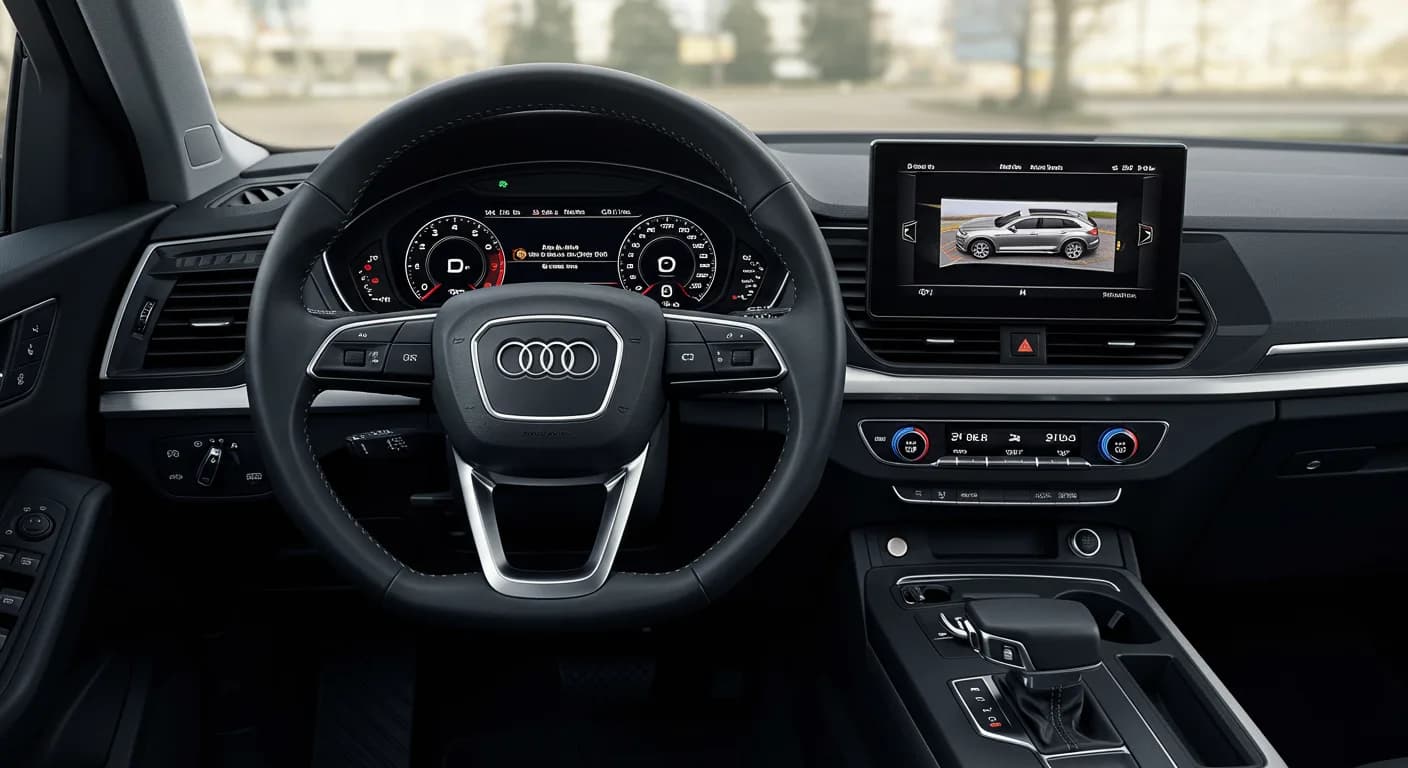
Owners of 2021-2022 Audi Q5 e quattro vehicles may encounter a critical "electrical system malfunction" warning light illuminated on their dashboard. This issue is often accompanied by the vehicle's inability to move, presenting a significant operational concern. This Technical Service Bulletin (TSB) 2081028/1, released on February 17, 2026, from Audi, addresses these symptoms and provides guidance for dealership technicians. It is classified as a "93 Reporting Obligation Pre-Repair PHEV" document, indicating Audi's proactive approach to collecting diagnostic data before a definitive repair solution is established.
Symptoms of the "Electrical System Malfunction"
If you own a 2021-2022 Audi Q5 e and experience an Audi Q5 e electrical malfunction, you will typically notice a specific warning message. The primary symptom reported by customers is the illumination of an "electrical system malfunction" warning light. Concurrently, the vehicle may exhibit a "will not go into drive" condition, rendering the vehicle inoperable and preventing normal operation. This combination of warnings and functional limitations points to a significant issue within the vehicle's hybrid electrical system.
Diagnostic Trouble Codes (DTCs)
When diagnosing the Audi Q5 e electrical malfunction, technicians are likely to find specific Diagnostic Trouble Codes (DTCs) stored in the Hybrid Battery Management control unit, identified as J840 (address word 008C). These codes indicate communication issues or voltage problems within the hybrid system's intricate network. The presence of these DTCs is crucial for identifying the affected area and guiding the diagnostic process. The following DTCs are commonly associated with this condition:
| Code | Description |
|---|---|
| P0AF800 | Hybrid/EV Battery System Voltage |
| U01A000 | Lost Communication with Hybrid/EV Battery Interface Control Module "A" |
| U01A100 | Lost Communication with Hybrid/EV Battery Interface Control Module "B" |
| U01A200 | Lost Communication with Hybrid/EV Battery Interface Control Module "C" |
| U01A300 | Lost Communication with Hybrid/EV Battery Interface Control Module "D" |
| U01A400 | Lost Communication with Hybrid/EV Battery Interface Control Module "E" |
| U01A500 | Lost Communication with Hybrid/EV Battery Interface Control Module "F" |
| U01A600 | Lost Communication with Hybrid/EV Battery Interface Control Module "G" |
| U01A700 | Lost Communication with Hybrid/EV Battery Interface Control Module "H" |
Technical Background and Audi's Investigation
Audi has noted that various parts have been replaced under warranty in an attempt to resolve the reported "electrical system malfunction" condition. However, these replacements have not consistently identified or resolved the underlying issue. To better understand the root cause and gather crucial diagnostic information, Audi is requesting that technicians contact the Audi Technical Assistance Center (TAC) before replacing any parts related to these DTCs. This proactive approach, detailed in TSB 2081028/1, aims to assist in accurately diagnosing potential issues by collecting real-world data from affected vehicles. This prevents unnecessary part replacements and ensures that a comprehensive solution can be developed based on actual fault patterns.
Important Warnings for Owners and Technicians
This TSB, identified as 2081028/1, is purely informational and does not constitute a warranty claim or a recall. It is explicitly stated that this bulletin is "not applicable to any Audi Warranty" for direct repair. For vehicles still covered under the New Vehicle Limited Warranty, technicians must contact a TAC consultant for guidance before proceeding with any repairs. It is crucial to attach all relevant DTCs and diagnostic logs to the TAC Web Ticket to support Audi's data collection efforts. Technicians are advised: "Do not replace parts" without prior consultation with TAC, as this will not resolve the underlying issue and may lead to wasted resources. Owners should be aware that this is an information-gathering phase, not a definitive repair instruction, and their cooperation in allowing data collection is vital.
Production Status
Audi has confirmed that no changes have been made to vehicle production regarding this specific condition. This indicates that, as of the release date of this bulletin, no systemic manufacturing issue has been identified or rectified in the production line for the Audi Q5 e electrical malfunction. The focus remains on understanding the field failures through diagnostic data.
What to Do If Your Audi Q5 e is Affected
If your 2021-2022 Audi Q5 e experiences an "electrical system malfunction" warning light or the "will not go into drive" symptom, it is important to contact your authorized Audi dealership promptly. Inform them about the symptoms and any warning lights you've observed. Your dealership's service department will follow Audi's guidelines, which include verifying the condition and contacting the Technical Assistance Center (TAC) to provide diagnostic data. This collaborative effort helps Audi engineers understand and ultimately develop a comprehensive solution for the underlying cause of the Audi Q5 e electrical malfunction. Ensure that your dealer attaches the DTC and diagnostic log to the TAC Web Ticket as requested by Audi of America.
Source: NHTSA ID 11029432
Altre revisioni di questo TSB
- 2021-2025 Audi Q5 e Electrical System Malfunction TSB 2081028/2P0AF800, U01A000, U01A100
Related Articles
2021-2024 Audi Q5 e High-Voltage Battery Deterioration TSB
This Technical Service Bulletin (TSB) 2079556/1 addresses issues in 2021-2024 Audi Q5 e PHEV models where the MIL light illuminates due to deterioration in various high-voltage battery modules, indicated by DTCs such as P0A7F00, P0EDD00, P0EDE00, P0EDF00, P0EE000, P0EE100, P2CCC00, and P2CCD00…
2021, 2023-2024 Audi Q5 e 3-Phase Wire Chafing TSB
Audi has released Technical Service Bulletin 2077614/2 for 2021, 2023-2024 Audi Q5 e vehicles, addressing potential chafing of the 3-phase wiring in the front underbody area on the passenger side. This issue, typically found during routine service, involves the high-voltage wiring contacting the…
2021-2023 Audi Q5 e / A7 e Electrical System Fault TSB
Audi has released Technical Service Bulletin 2068630/5 to address an "Electrical System fault" that may appear in the instrument cluster of 2021-2023 Audi Q5 e and A7 e models. This issue is often linked to Diagnostic Trouble Code (DTC) U041300 and can prevent the vehicle from starting. The repair…
2020-2023 Audi e-tron Models myAudi App AC Timeout TSB
Audi Technical Service Bulletin 2076636/2 details a solution for 2020-2023 Audi e-tron models where the myAudi app times out when attempting to start the auxiliary air conditioner. This issue is often accompanied by error messages like 'Auxiliary air conditioner could not be started: Timeout' with…
2021-2023 Audi Q5 e Fuel Tank Juddering TSB
Audi has released Technical Service Bulletin (TSB) 2077067/1 to address a condition where 2021-2023 Audi Q5 e vehicles may experience juddering from the fuel tank when the combustion engine engages. This TSB outlines a diagnostic and repair procedure involving a software update and inspection of…
Leave a comment
Comments are moderated and may take a moment to appear. Only your first name and the initial of your last name are shown publicly.
Comments
Be the first to comment.