2021-2026 Audi High-Voltage Battery Damage TSB 2079520/2
Audi has released Technical Service Bulletin 2079520/2, providing essential guidelines for dealerships on how to safely and correctly process vehicles with damaged high-voltage batteries. This TSB covers 2021-2026 Audi PHEV and BEV models, emphasizing structured approaches for repair.
 Sarah Mitchell2021 Audi e-tron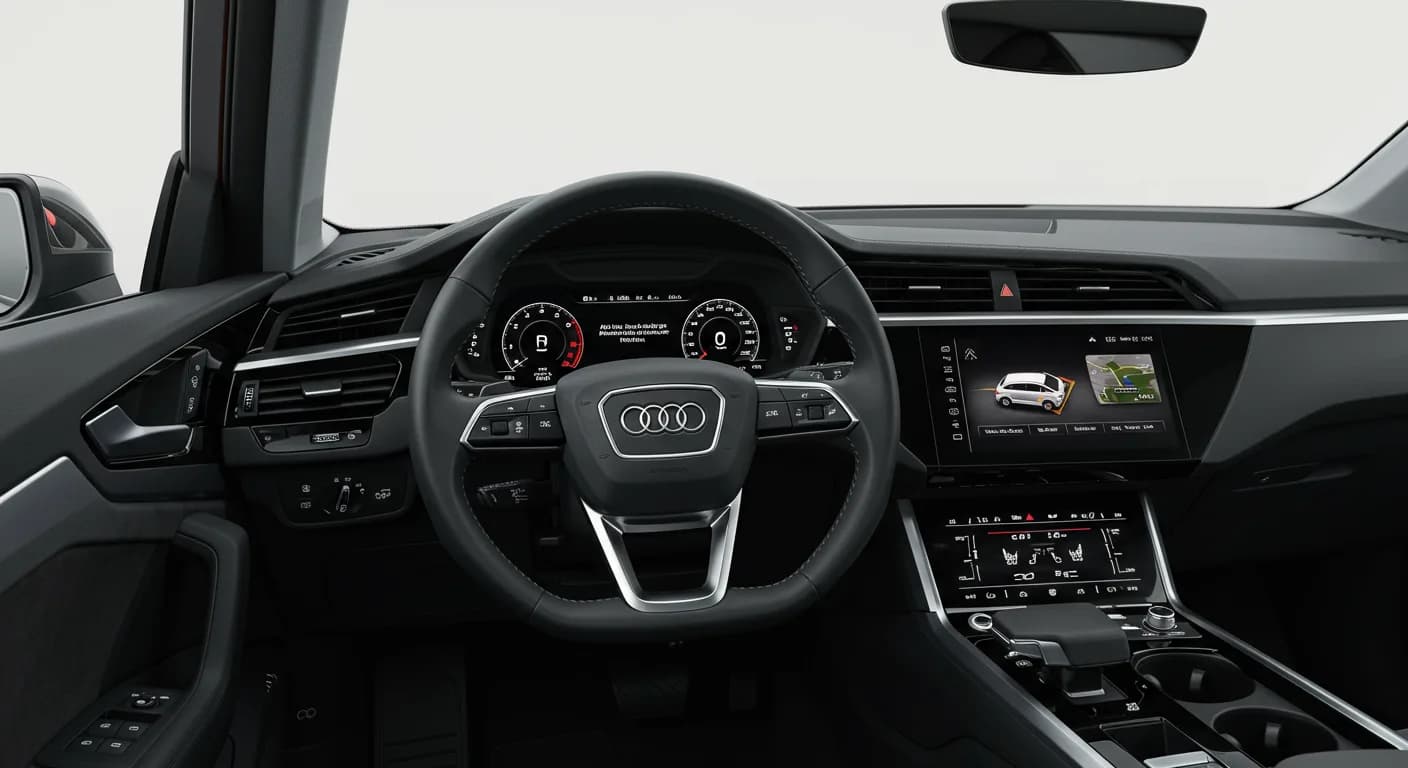
Si applica anche a
- Audi A7 e
- 2021–2022
- Audi A8 L e
- 2021
- Audi e-tron
- 2022–2023
- Audi e-tron GT
- 2022–2025
- Audi e-tron Sportback
- 2021–2022
- Audi Q5 e
- 2021, 2023, 2024, 2025
- Audi RS e-tron GT
- 2022–2024
- Audi S e-tron GT
- 2026
▸ Mostra altri 2▾ Mostra meno
Audi has issued Technical Service Bulletin (TSB) 2079520/2, a foundational document designed to guide dealerships in the proper handling and processing of vehicles equipped with damaged high-voltage batteries. This TSB, released on October 24, 2025, aims to standardize procedures for ensuring safety and quality when dealing with these critical components.
The bulletin addresses concerns related to the power and vehicle electrical systems, data transfer, and the overall power supply to the high-voltage battery. It is particularly relevant for Audi's Plug-in Hybrid Electric Vehicles (PHEV) and Battery Electric Vehicles (BEV) from model years 2021 through 2026.
Symptoms of Damaged High-Voltage Batteries
Owners might notice various indicators suggesting Audi high-voltage battery damage. These can include error messages displayed by control modules or service systems, specifically pointing to issues within the power system, vehicle electrical system, or data transfer related to the high-voltage battery.
The core condition addressed by this TSB is when a high-voltage battery has been classified as abnormal. This classification triggers the need for specialized processing and adherence to the guidelines outlined in the bulletin and its accompanying documents.
Understanding TSB 2079520/2
TSB 2079520/2 serves as a crucial informational resource for Audi dealerships. Its primary purpose is to ensure that technicians follow a structured and correct approach when processing high-voltage batteries that have been identified as damaged or abnormal. This structured approach is vital for maintaining safety standards and quality requirements during service operations.
Due to the inherent complexity of high-voltage battery systems, Audi anticipates continuously adding more documents to this TSB. This ongoing development means that comprehensive documentation for all affected models may not always be immediately available, but will be updated over time.
Key Resources for Technicians
This TSB references and includes several critical attachments and additional information sources for technicians. These resources provide detailed guidance on various aspects of high-voltage battery handling and repair:
- Basic Information on Damaged High-Voltage Batteries: This includes
basic_information_on_processing_damaged_lithium-ion_batteries.pdf, offering general information and recommendations. - PPE Briefing: Documents like
ppe_instructions.pdfprovide recommended briefings for Category III personal protective equipment. - PPE Table: The
ppe_table.pdfoutlines specific personal protective equipment requirements. - Workshop Procedure Plan: The
workshop_flow_plan_high-voltage_vehicles_v1.21.pdfdetails typical workshop procedures for high-voltage vehicles and associated qualification requirements. - Example Catalogues for PHEVs/BEVs: Several comparison sample catalogues, such as
comparison_sample_catalogue_e-tron_gt.pdfandcomparison_sample_catalogue_q4.pdf, provide aids for assessing damage. - Service TV Updates: Additional information is provided via Service TV updates, including
0815_HVE(introduction),0816_HVE(classification),0817_HVE(moisture), and0818_HVE(thermal event). - Vehicle-Specific Workshop Manuals: These manuals contain flushing processes specific to high-voltage batteries.
Important Implementation Note
It is crucial for both technicians and owners to be aware that the processes and documents detailed within TSB 2079520/2 will not be fully implemented and available for use in Audi systems until October 29, 2025. This indicates that while the information is being prepared, the official procedures will become active at a future date.
Owner Action
If you own a 2021-2026 Audi PHEV or BEV and suspect Audi high-voltage battery damage, or if your vehicle displays error messages related to the high-voltage system, it is important to contact your authorized Audi dealership. While this TSB provides internal guidance for future procedures, your dealer can assess the current status of your vehicle and advise on any necessary steps.
Be aware that the full implementation of the procedures detailed in TSB 2079520/2 is scheduled for October 29, 2025. This TSB is strictly informational and does not apply to any Audi warranty. Any repairs or services related to high-voltage battery damage will be subject to your vehicle's existing warranty terms or out-of-pocket costs, depending on the specific circumstances and diagnosis.
Frequently Asked Questions
- What is Audi TSB 2079520/2 about?
- Audi TSB 2079520/2 provides dealerships with essential information and a structured approach for safely processing and handling vehicles with high-voltage batteries that have been identified as damaged or abnormal.
- What are the symptoms of Audi high-voltage battery damage?
- Symptoms can include error messages related to the power system, vehicle electrical system, or data transfer, specifically indicating an issue with the high-voltage battery or its classification as abnormal.
- When will the procedures outlined in TSB 2079520/2 be available to Audi dealerships?
- The processes and documents detailed in TSB 2079520/2 are scheduled to be fully implemented and available for use in Audi systems starting October 29, 2025.
- Does this TSB cover my Audi's warranty?
- No, Audi TSB 2079520/2 is strictly informational and does not apply to any Audi warranty. Any repairs will be subject to your vehicle's existing warranty terms or out-of-pocket costs.
Related Articles
2021 Audi e-tron Electrical Malfunction and Power Loss
A 2021 Audi e-tron owner reported a severe 'Electrical Malfunction' resulting in complete loss of power on the highway. The issue has persisted despite dealer attempts to fix it over five months, posing significant safety risks.
2021-2026 Audi UTR Troubleshooting & FAQs TSB 2081409/1
This Audi Technical Service Bulletin (TSB 2081409/1) provides comprehensive answers to frequently asked questions and troubleshooting steps for the Audi Universal Traffic Recorder (UTR) accessory, covering topics like SD card compatibility, video playback, Wi-Fi issues, and more.
2021-2025 Audi Emergency Call System Fault TSB
Audi has released Technical Service Bulletin 2059528/18 to address an "Emergency call function: malfunction! Function unavailable. Please contact service" warning, often accompanied by a red SOS LED and DTC B200000. This issue affects various 2021-2025 Audi models and is due to a software problem…
2021-2026 Audi Adaptive Light System Fault C12B3FA TSB
Audi has released Technical Service Bulletin 2054202/7 to address an intermittent 'Audi adaptive light: system fault' message and DTC C12B3FA in various 2021-2026 models. This TSB outlines diagnosis and resolution for driver assistance system malfunctions.
2021-2026 Audi Parking Aid False Warnings TSB 2024323/12
This Technical Service Bulletin (TSB 2024323/12) details diagnostic and repair procedures for 2021-2026 Audi vehicles experiencing false parking aid warnings. Learn about environmental factors, sensor checks, and proper installation to resolve issues like 'Parking aid does not work / warning is…
Leave a comment
Comments are moderated and may take a moment to appear. Only your first name and the initial of your last name are shown publicly.
Comments
Be the first to comment.