2019-2026 Audi A6/A7 Air Suspension Compressor TSB
Audi has issued Technical Service Bulletin 2062932/2 for 2019-2026 A6 and A7 models concerning inaccurate air suspension compressor pressure readings displayed by the J775 control module. This TSB outlines a diagnostic procedure using a special tool.
 Marcus Weber2021 Audi A6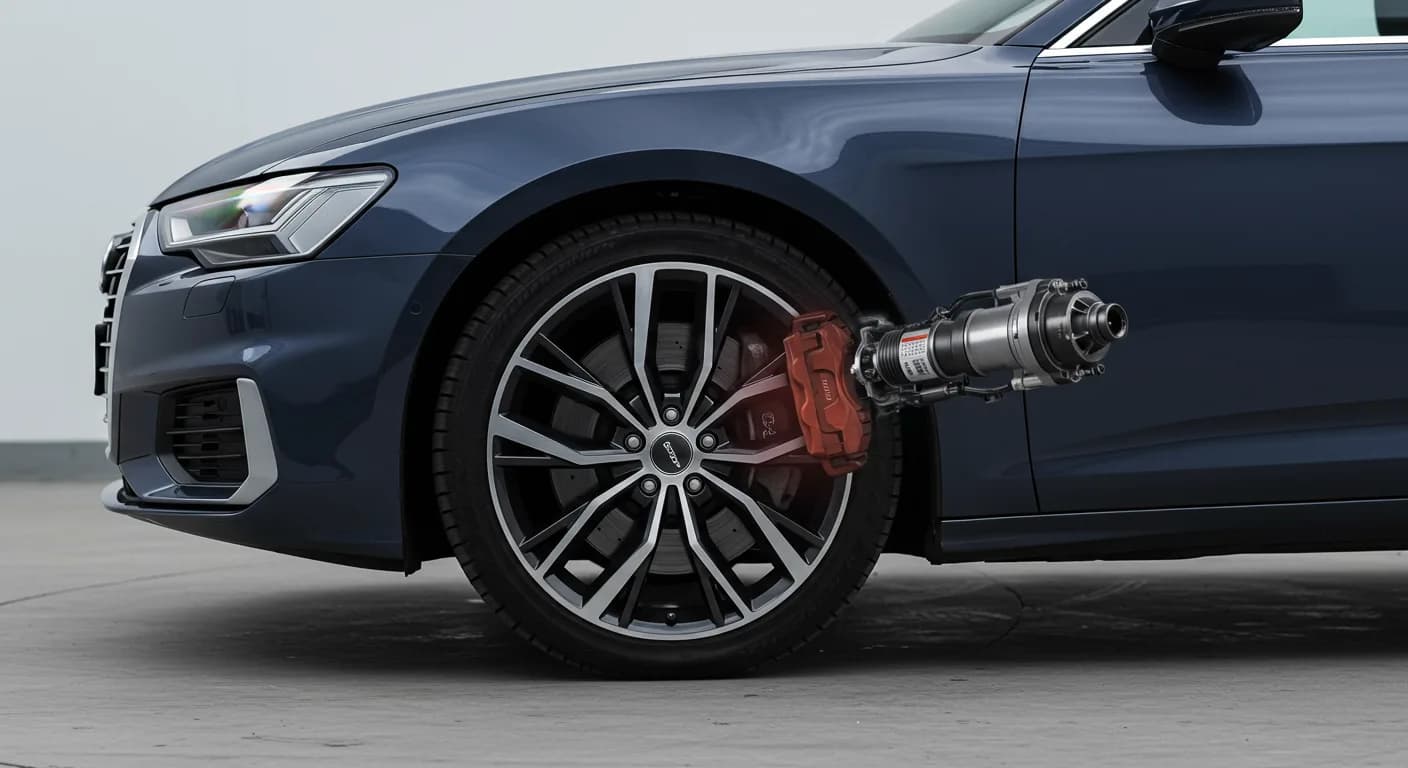
Si applica anche a
- Audi A6
- 2022–2025
- Audi A6 allroad
- 2021–2026
- Audi A7
- 2021–2025
- Audi A7 e
- 2021–2022
- Audi RS 6 Avant
- 2021–2026
- Audi RS 7
- 2021–2026
- Audi S6
- 2021–2025
- Audi S7
- 2021–2025
▸ Mostra altri 2▾ Mostra meno
Symptoms of Incorrect Air Suspension Readings
Owners or technicians of affected 2019-2026 Audi A6 and A7 models may observe several issues related to the sophisticated air suspension system. These symptoms primarily stem from the suspension control module providing inaccurate data, which can lead to misdiagnosis or improper system behavior. The air suspension system is crucial for maintaining optimal ride comfort, handling, and vehicle dynamics, adapting to various driving conditions and loads. When its readings are compromised, the system's ability to function correctly is impaired.
Common complaints reported by owners or identified during service include the inability to select certain functions within the level control system. This manifests as the system reporting "functionality -> cannot be selected" for various damping and suspension regulation settings. For instance, drivers might find themselves unable to adjust ride height or firmness, impacting the vehicle's adaptability to different terrains or preferences. Specific damper adjustments may also be unavailable, leading to a less optimized driving experience.
Another notable symptom is that the vehicle's level adjustment switch may become "functionality -> too difficult to move". This indicates a problem with the pitch and roll compensation of the level control system, which is vital for keeping the vehicle stable and level, especially during cornering or when carrying uneven loads. Such an issue could compromise vehicle stability and passenger comfort.
During routine vehicle service and diagnosis, particularly when utilizing the Guided Fault Finding (GFF) system, technicians might encounter control modules and services that are flagged. These flags can sometimes be accompanied by a "fault stored in the DTC memory," even if no actual mechanical fault exists. Furthermore, workshop findings specifically highlight that the level/damping control module might report a "measured value too high" for the level control system's pitch and roll compensation. These discrepancies are key indicators pointing to the underlying issue of incorrect pressure readings from the Audi A6 air suspension compressor system, as detailed in Technical Service Bulletin 2062932/2.
Technical Background: The J775 Control Module Issue
The core of the problem, as meticulously detailed in Audi Technical Service Bulletin 2062932/2, lies within a specific version of the suspension control module, identified as the J775 control unit. This module, accessible via address word 0074 in diagnostic tools, is the central brain for managing the entire air suspension system. Its responsibilities include monitoring critical parameters such as air pressure within the system, which directly influences the vehicle's ride height, damping characteristics, and overall stability.
When a technician connects the ODIS tester, Audi's proprietary diagnostic system, to check the compressor output, the J775 control module may provide erroneous data. Specifically, it can incorrectly display "Accumulator pressure and/or System pressure" values that appear to be over 25 bar. This reading, while seemingly high, is explicitly stated by the TSB as not representing the actual pressure present in the system. This discrepancy is crucial because an inflated pressure reading can lead to several complications.
Firstly, it can cause technicians to misinterpret the air suspension system's health. They might incorrectly assume an over-pressurization issue or a faulty compressor when the actual pressure is within normal limits. This misinterpretation can lead to unnecessary and costly repairs, such as replacing a perfectly functional air suspension compressor or other components. Secondly, it prolongs diagnostic times, as technicians may spend valuable hours chasing a phantom problem indicated by the diagnostic tool. The J775 control module's incorrect display ultimately hinders effective troubleshooting and maintenance of the sophisticated air suspension system in the 2019-2026 Audi A6 and A7 models. Understanding this technical nuance is vital for accurate service.
Diagnosis and Repair Summary
To accurately diagnose the air suspension system and verify the true pressure readings, Audi Technical Service Bulletin 2062932/2 outlines a precise and essential procedure. This process is critical for distinguishing between a genuine air suspension fault and the misleading data provided by the J775 control module. The primary step involves the use of a specialized diagnostic tool: the VAS 751 001.
This tool, described as a "Tester for leak detection on the air suspension," is designed to provide an independent and reliable measurement of the actual pressure within the system. Technicians are instructed to connect the VAS 751 001 directly to the air suspension system. By doing so, they can bypass the potentially incorrect readings that the ODIS tester receives from the J775 control module. This direct measurement allows for a factual assessment of the "Accumulator pressure and/or System pressure," providing clarity on whether the system is truly over-pressurized, under-pressurized, or if the compressor is functioning as expected.
The repair procedure, therefore, is not about fixing a physical component initially, but rather about accurate diagnostics. Once the actual pressure is determined using the VAS 751 001, technicians can then proceed with appropriate repairs if a genuine fault is identified. This could involve addressing leaks, replacing a genuinely faulty Audi A6 air suspension compressor, or recalibrating the system based on accurate data. The TSB emphasizes that this diagnostic step is fundamental to avoid misdiagnosis and ensure that any subsequent actions effectively resolve the underlying issue, thereby restoring the proper functionality of the air suspension system in affected Audi A6 and A7 vehicles.
Required Tools
For accurate diagnosis and to effectively address the issue of incorrect pressure readings from the J775 control module, the following specialized tool is mandated by Technical Service Bulletin 2062932/2:
- Tool Number: VAS 751 001
- Tool Description: Tester for leak detection on the air suspension
This particular tool is indispensable for Audi technicians. It enables them to perform a direct and reliable measurement of the air pressure within the suspension system. By utilizing the VAS 751 001, service personnel can circumvent the potentially erroneous data displayed by the ODIS tester, which is influenced by the J775 control module's incorrect reporting. This ensures that any diagnostic conclusions or subsequent repair actions are based on precise, real-time pressure values, rather than misleading information. The availability and proper use of this tool are crucial for efficient and correct troubleshooting of the Audi A6 air suspension compressor system.
Important Warnings for Owners
Owners of 2019-2026 Audi A6 and A7 models should be fully informed about the specific implications of Technical Service Bulletin 2062932/2. This bulletin, while crucial for technicians, carries particular warnings that directly affect vehicle owners:
- Warranty Coverage: It is explicitly stated in the TSB that this information is "informational only and not applicable to any Audi Warranty." This is a critical point for owners to understand. Any diagnostic work or subsequent repairs performed under the guidance of this bulletin, including the use of the special tool VAS 751 001, may not be covered by your vehicle's standard Audi warranty. Owners are strongly advised to have a clear discussion with their authorized Audi dealership or service center regarding potential costs before any diagnostic or repair procedures are initiated. This transparency can prevent unexpected expenses.
- Diagnostic Clarity: The bulletin serves to clarify that the primary issue is with the measurement display of "Accumulator pressure and/or System pressure" on the ODIS tester, rather than an immediate, direct malfunction of the air suspension compressor itself. This distinction is paramount for proper diagnosis. It means that a high-pressure reading on the diagnostic tool does not automatically imply a faulty compressor or an over-pressurized system. The purpose of the special tool VAS 751 001 is precisely to determine the actual system pressure, thereby preventing misdiagnosis and potentially unnecessary part replacements. Owners should ensure their service center is aware of this TSB to ensure correct diagnostic protocols are followed.
Owner Action
If you own a 2019-2026 Audi A6 or A7 and are experiencing any symptoms related to your air suspension system, such as difficulty selecting level control functions, unusual ride height, or other abnormal behavior, it is highly recommended to schedule a service appointment with an authorized Audi service center. Even if the symptoms seem minor, issues with the air suspension can impact vehicle safety and comfort.
When you contact your service advisor, it is beneficial to specifically mention Technical Service Bulletin 2062932/2. This will alert the technicians to the known issue of potentially incorrect pressure readings from the J775 control module. Emphasize any messages you've seen, such as "functionality -> cannot be selected" or if you've noticed the level adjustment switch is "functionality -> too difficult to move." The TSB directs technicians to use the specialized VAS 751 001 tool for a precise evaluation of the Audi A6 air suspension compressor and overall system pressure, which is crucial for an accurate diagnosis. Given that this TSB is not covered by warranty, discussing the diagnostic approach and potential costs upfront with your service center is a prudent step. This proactive communication ensures that your vehicle receives the correct diagnostic attention and that you are prepared for any associated service expenses.
Source: NHTSA ID 11025365
Frequently Asked Questions
- What is Technical Service Bulletin 2062932/2 about?
- TSB 2062932/2 addresses an issue in 2019-2026 Audi A6 and A7 models where the J775 suspension control module incorrectly displays "Accumulator pressure and/or System pressure" readings on the ODIS diagnostic tester, leading to potential misdiagnosis of the air suspension compressor.
- What symptoms might I notice if my Audi A6/A7 is affected by this issue?
- You might experience issues such as the level control system reporting "functionality -> cannot be selected" or the level adjustment switch being "functionality -> too difficult to move." Technicians might also see a "measured value too high" for pitch and roll compensation, indicating a problem with the Audi A6 air suspension compressor readings.
- How do technicians diagnose the incorrect air suspension compressor readings?
- Technicians use a special tool, the VAS 751 001 "Tester for leak detection on the air suspension," to accurately measure the actual pressure in the system, bypassing the erroneous readings from the J775 control module.
- Is the repair for TSB 2062932/2 covered under Audi's warranty?
- No, Technical Service Bulletin 2062932/2 is explicitly stated as "informational only and not applicable to any Audi Warranty." Owners should discuss potential costs with their dealership before any service is initiated.
- Does this TSB mean my Audi A6 air suspension compressor is faulty?
- Not necessarily. The TSB indicates that the displayed "Accumulator pressure and/or System pressure" might be incorrect due to a software or display issue within the J775 control module, rather than a physical fault with the compressor itself. The special tool helps determine the true condition of the Audi A6 air suspension compressor.
Related Articles
2021 Audi A6 Problems: Recalls, Complaints & TSBs
The 2021 Audi A6 has been subject to several recalls, primarily concerning its electrical system and suspension components. While no owner complaints or federal investigations have been reported, numerous technical service bulletins address issues ranging from engine stalling and transmission…
2021 Audi A6/A7/S6/S7 Engine Coolant Service Action 19P9 Closure
Audi has issued a closure notice for Service Action 19P9, related to engine coolant concentration, affecting 2021 Audi A6, A7, S6, and S7 models. This notice sets deadlines for dealers to submit claims for completed work.
2021-2025 Audi A4, A6, Q5 Drive Belt Noise TSB 2061461/15
Audi Technical Service Bulletin 2061461/15 addresses grinding, squeaking, or tweeting noises from the starter/generator drive belt, or the belt falling off, in 2021-2025 Audi A4, A6, and Q5 models with the 2.0L TFSI engine. It also covers the 'Electrical system: Malfunction!' warning.
2019-2025 Audi Starter/Generator Belt Noise TSB 2061461/14
Audi TSB 2061641/14 addresses starter/generator drive belt noise or detachment in 2019-2025 A4, A5, A6, A7, and Q5 2.0TFSI mild Hybrid models. Symptoms include engine noises and the warning 'Electrical system: Malfunction! Please go to workshop'. The TSB details diagnostic and repair steps for…
2021-2023 Audi A6/A7/A8 Steering Column DTC B14BF01
Audi has issued Technical Service Bulletin 2062288/5 to address issues with the electric steering column adjustment not working, often accompanied by Diagnostic Trouble Code B14BF01. This TSB applies to various 2021-2023 Audi A6, A7, and A8 models.
Leave a comment
Comments are moderated and may take a moment to appear. Only your first name and the initial of your last name are shown publicly.
Comments
Be the first to comment.