2021-2024 Jeep Ram RKE Button Functions Not Working TSB
Owners of 2021-2024 Jeep, Ram, and Dodge vehicles may experience Remote Keyless Entry (RKE) button functions not working or intermittent response. Technical Service Bulletin S2408000015 Rev. B provides diagnostic steps and potential fixes, including checking for specific DTCs.
 David Chen2022 Jeep Wrangler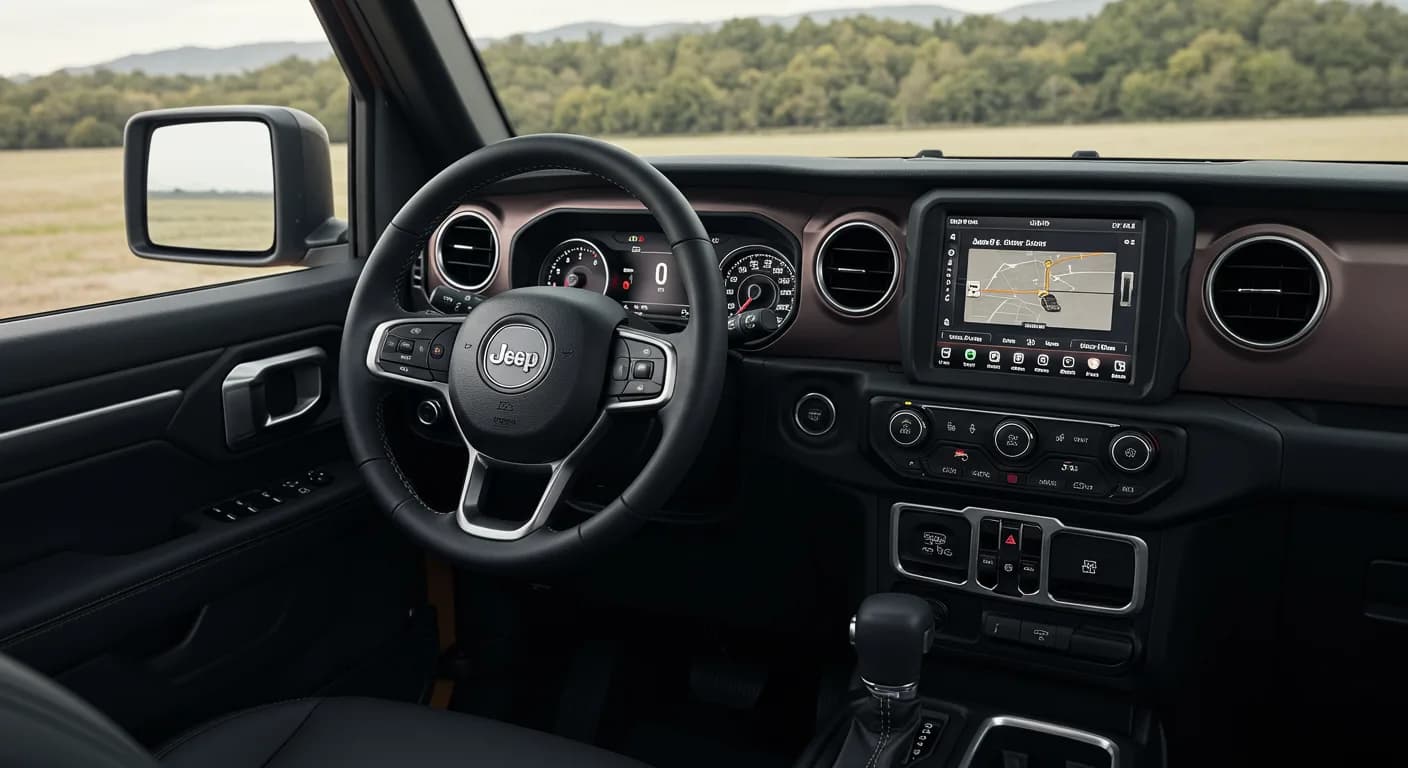
Also applies to
- Jeep Compass
- 2021–2024
- Jeep Gladiator
- 2022–2024
- Jeep Grand Cherokee
- 2022–2024
- Jeep Grand Wagoneer
- 2022–2024
- Jeep Wagoneer
- 2022–2024
- Jeep Wrangler
- 2023–2024
- Dodge Durango
- 2022–2023
- Ram 1500
- 2021–2024
- Ram 2500
- 2021–2024
- Ram 3500
- 2021–2024
- Ram 4500
- 2021–2024
▸ Show 5 more▾ Show fewer
Symptoms
If you own a 2021-2024 Jeep, Ram, or Dodge vehicle and are experiencing your Jeep Ram RKE not working, or intermittent response from your key fob, you're not alone. Owners frequently report that the "Remote Keyless Entry (RKE) Button Functions Does Not Work" or there is an "Intermittent Vehicle Response When Using the RKE". In some cases, the key may even appear as "Key Not Programmed", preventing normal vehicle operation. Technicians may find it challenging to consistently replicate these issues.
Fault Codes / DTCs
When diagnosing the RKE system, technicians may encounter specific Diagnostic Trouble Codes (DTCs) related to the Passive Entry (PE) or remote start systems. These codes can indicate underlying issues with antenna circuits:
| Code | Description |
|---|---|
| B1A76-11 | Remote Start Antenna Circuit-Circuit Short to Ground |
| B1A76-13 | Remote Start Antenna Circuit-Circuit Open |
| B1A71-13 | Passive Entry Antennas 1 Circuit Open |
| B1A72-13 | Passive Entry Antennas 2 Circuit Open |
| B1A73-13 | Passive Entry Antennas 3 Circuit Open |
| B1A74-13 | Passive Entry Antennas 4 Circuit Open |
| B1A75-13 | Passive Entry Antennas 5 Circuit Open |
Diagnosis / Trigger Conditions
Diagnosing the Jeep Ram RKE not working issue involves several steps to pinpoint the root cause. If the vehicle is setting DTCs related to Passive Entry or remote start systems, these codes serve as the initial guide to identify potential antenna-related problems.
If no DTCs are present, technicians should use a scan tool to verify the Radio Frequency Hub Module (RFHM) data. This step confirms whether the vehicle recognizes the key fobs as properly programmed. If an OEM key fob is presented with an issue but isn't listed as programmed, the appropriate procedure for pairing new or additional key fobs should be followed.
For key fobs that are programmed but still exhibiting issues, further checks are necessary. This includes removing the coin battery from the key fob and using a voltmeter to ensure it has the correct voltage, which should not be below 2.6V. The key fob's remote signal and battery performance should also be tested using an ATEQ VT56 tester to confirm adequate signal strength. Additionally, technicians must investigate if any aftermarket LED light installations, either external or internal, are interfering with the RKE signal. Finally, confirming that the intermittent operation is not confined to a single location helps rule out external environmental interference.
Repair Procedure Summary
Technical Service Bulletin S2408000015 Rev. B outlines a comprehensive approach to resolving RKE button function issues. The repair process begins with diagnosing any Diagnostic Trouble Codes (DTCs) related to Passive Entry (PE) or remote start systems, such as B1A76-11 or B1A71-13. These codes help identify antenna circuit problems that could be impacting key fob performance.
If no DTCs are found, the technician will use a scan tool to check the Radio Frequency Hub Module (RFHM) data to confirm if the key fobs are properly programmed to the vehicle. If an OEM key fob is not recognized, the technician will follow the standard procedure to pair it.
For programmed key fobs that are still malfunctioning, the procedure involves several checks: first, the key fob's coin battery is removed and tested with a voltmeter to ensure it has a voltage above 2.6V; if not, the battery is replaced. Next, the key fob's remote signal and battery performance are tested using an ATEQ VT56 tester to verify signal strength. The technician will also check for any aftermarket LED light installations that could be causing interference. Finally, the RKE system's performance is observed at different vehicle parking locations to eliminate the possibility of external signal interference.
Required Tools or Parts
To properly diagnose and address the RKE system issues, technicians will utilize specific tools:
- Voltmeter: Used to verify the voltage of the key fob's coin battery.
- ATEQ VT56 tester: Employed to test the key fob's remote signal and battery performance, ensuring good signal strength.
Important Warnings
Owners and technicians should be aware of the following important information regarding this communication:
- "This document does not authorize warranty repairs." It serves as a record of past experiences and does not provide conclusions about vehicle issues. Technicians are responsible for determining the appropriate course of action.
- If a solution is not found after following the outlined diagnostic steps, technicians are advised to "Contact STAR Center, or your Technical Assistance Center Via TechCONNECT or eCONTACT ticket."
Owner Action
If you are experiencing your Jeep Ram RKE not working or other key fob issues, it is recommended to schedule an appointment with an authorized service center. Inform the technician about the specific symptoms you are observing. Reference Technical Service Bulletin S2408000015 Rev. B, as it provides a detailed diagnostic and repair procedure for these types of concerns.
Source: NHTSA TSB ID 11000866
Frequently Asked Questions
- What are the common symptoms of RKE issues in 2021-2024 Jeep, Ram, and Dodge vehicles?
- Owners frequently report that "Remote Keyless Entry (RKE) Button Functions Does Not Work," there's "Intermittent Vehicle Response When Using the RKE," or the key fob is "Key Not Programmed." These issues can prevent the vehicle from locking, unlocking, or starting properly.
- What DTCs are associated with RKE problems in these vehicles?
- Common Diagnostic Trouble Codes (DTCs) include B1A76-11 (Remote Start Antenna Circuit-Circuit Short to Ground), B1A76-13 (Remote Start Antenna Circuit-Circuit Open), and B1A71-13 through B1A75-13 (Passive Entry Antennas Circuit Open). These codes point to potential issues with the vehicle's antenna systems.
- What diagnostic steps are involved if my Jeep Ram RKE is not working?
- Diagnosis involves checking for specific DTCs, verifying programmed key fobs via the RFHM module, testing the key fob battery voltage (it should be above 2.6V), assessing key fob signal strength with an ATEQ VT56 tester, and checking for aftermarket LED installations or external interference that might affect the signal.
- Will this TSB cover warranty repairs for my RKE issue?
- No, Technical Service Bulletin S2408000015 Rev. B is an informational document for technicians and explicitly states, "This document does not authorize warranty repairs." It guides diagnostics but does not guarantee warranty coverage for the repair.
Related Articles
2022 Jeep Wrangler Health Check: Recalls and Bulletins
The 2022 Jeep Wrangler has faced a significant rearview camera recall (24V676000) and numerous technical service bulletins addressing engine misfires, electrical system malfunctions, and transmission issues. While there are no reported owner complaints or federal investigations, prospective and…
2022 Jeep Wrangler Misfire TSB 18-047-26
A Technical Service Bulletin (TSB 18-047-26) has been issued for 2022 Jeep Wrangler vehicles equipped with the 3.6L V6 24V VVT ETORQUE engine. This TSB addresses engine misfires, rough idle, and noisy valvetrain issues, often accompanied by a Malfunction Indicator Lamp (MIL) illumination and…
2021-2026 Jeep Wrangler Rear Defroster Inoperative TSB
This Technical Service Bulletin (TSB) 08-133-26 addresses a common problem in 2021-2026 Jeep Wrangler (JL) vehicles where the rear defroster becomes inoperative due to detached solder terminals or faulty electrical connectors. Learn about the symptoms, cause, and repair procedure.
2018-2022 Jeep Wrangler / Gladiator CEL/MIL Lamp Recall
FCA US LLC has issued Emission Recall 16C for certain 2018-2022 Jeep Wrangler and 2020-2022 Jeep Gladiator vehicles. This recall addresses an issue where the Check Engine/Malfunction Indicator Lamp (CEL/MIL) in the instrument panel cluster (IPC) may be inoperable, preventing drivers from being…
2022-2026 Jeep/RAM PCM Updates for MIL and DTCs
Stellantis Technical Service Bulletin (TSB) 18-044-26 addresses Malfunction Indicator Lamp (MIL) illumination and various Diagnostic Trouble Codes (DTCs) in 2022-2026 Jeep and RAM vehicles. This bulletin provides a software update for the Powertrain Control Module (PCM) to resolve these issues.
Leave a comment
Comments are moderated and may take a moment to appear. Only your first name and the initial of your last name are shown publicly.
Comments
Be the first to comment.